You take care of people who need water for many things. Water damage is a big problem, causing about 23% of insurance claims. Fixing it can cost around $17,059, so stopping leaks is very important.
Smart water sensors help you catch problems before they get worse. They use special technology to find moisture and send alerts to phones. This quick action can stop small leaks from becoming big problems.
In this article, you’ll see how water leak detectors help in daily care. You’ll also learn how they save money and time. We aim to improve water damage prevention in senior homes, keeping everyone healthy and comfortable.
Understanding Water Leak Detectors and Their Importance

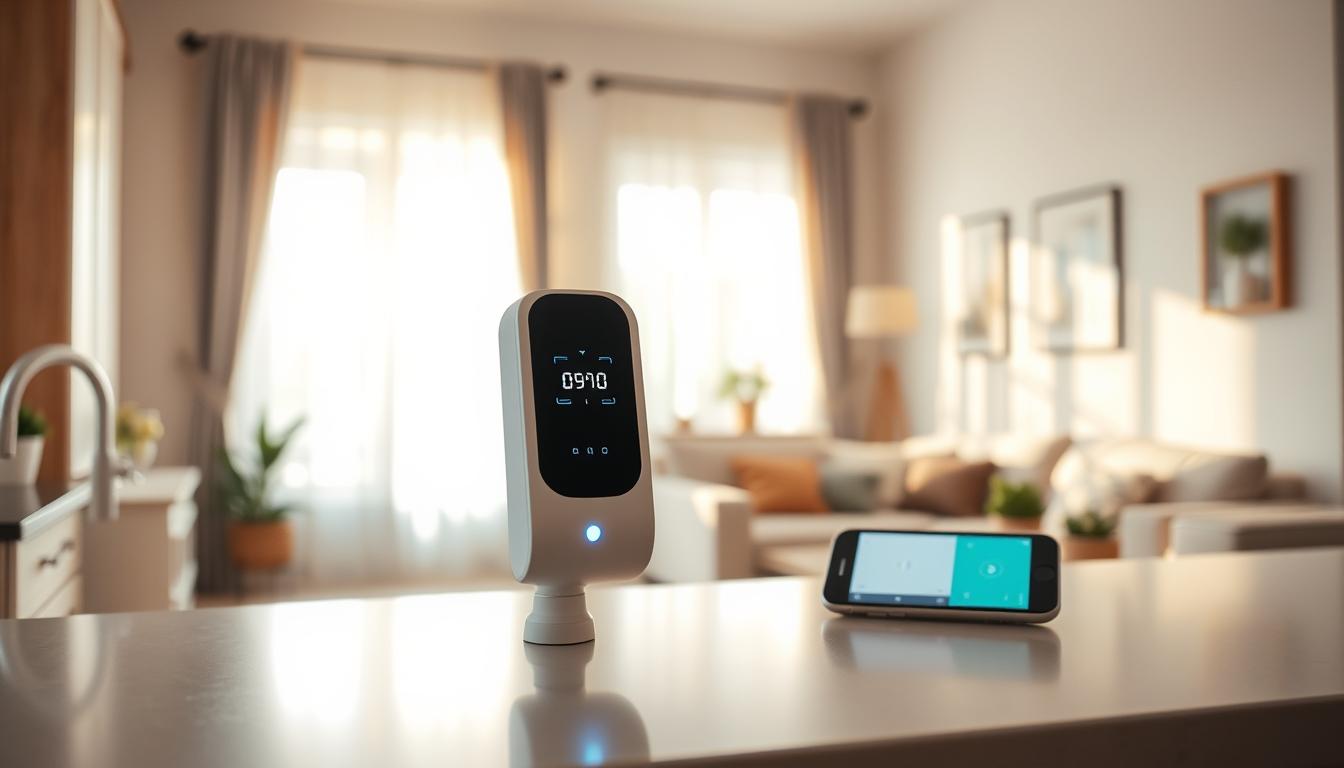
It’s important to understand how water leak detectors work. This knowledge helps you choose the best one for a senior home. Point devices, like moisture sensors, sit on floors or under appliances. They sound an alarm or send a notification to your phone if they find water.
Whole-house systems, on the other hand, monitor water use throughout your home. Brands like Phyn and LeakBot look for unusual patterns, like a toilet running non-stop. They can find slow leaks before they cause big problems.
These devices communicate in different ways. Some use Wi-Fi for quick alerts, while others last longer on battery. Choose one that fits your home’s setup and your comfort with phone alerts.
Some systems even turn off water automatically when they detect a leak. This can stop flooding before it gets worse. But, make sure it works with your home’s systems, like boilers or fire suppression. A plumber can help with this.
- Point moisture sensors: ideal for bathrooms, laundry rooms, and under sinks.
- Flow-monitoring systems: best for whole-home protection and early detection.
- Water leak alarms with smartphone alerts: useful for caregivers who live offsite.
In a senior home, find a balance between simplicity and coverage. Use moisture sensors in areas where spills or appliance failures are common. Add a flow-based system to catch slow leaks that can cause the most damage.
Common Causes of Water Leaks in Senior Homes
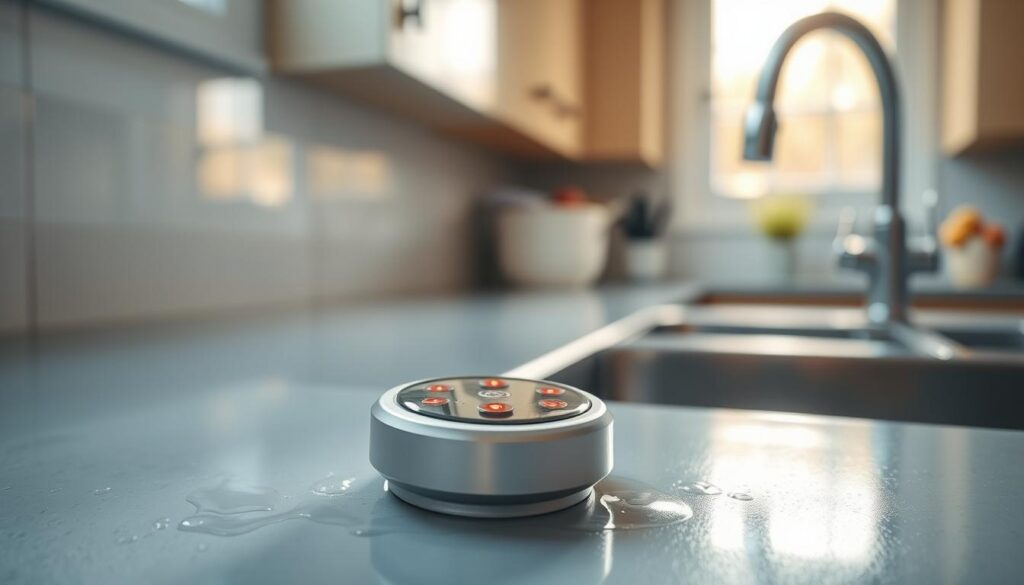
Most water problems happen in areas with lots of appliances and old plumbing. Washing machines often leak at supply lines. Dishwashers and refrigerators with water features can leak too.
Hot water heaters also leak as they get older. Sinks, toilets, and tubs can drip or overflow. A running toilet can waste a lot of water over time.
Hidden leaks behind walls or under floors are hard to spot. They can cause damage before you notice. Look closely in kitchens and bathrooms.
Mechanical rooms and basements need regular checks too. Furnaces, boilers, and sump pumps can fail after years. Sump pump failures and sewer backups can cause fast water damage.
Old buildings often have corroded pipes and valves. This increases the risk of bursts. Senior living places face extra wear and tear from constant use.
To lower the risk, put water leak detectors in important areas. Focus on laundry rooms, mechanical closets, kitchens, bathrooms, and basements. Use both visual checks and modern leak detection systems to find problems early.
- Inspect supply lines to washing machines and dishwashers monthly.
- Check hot water heater fittings and look for rust or weeping.
- Test toilets for silent leaks by observing water levels and flushing behavior.
- Ensure sump pumps have backups and clear float switches.
- Install targeted plumbing leak detection near high-risk appliances.
The Financial Impact of Water Leaks
Water-related losses make up about 23% of homeowners insurance claims. The average cost for repairs is around $17,059. For senior living places, a single leak can lead to high repair costs, mold removal, and replacing furniture and personal items.
Leaks can cost you in many ways. Direct costs include fixing plumbing, flooring, and structures. Hidden damage means extra costs for mold cleanup and possibly moving residents. Your utility bills will also go up because of wasted water.
Water leak detectors and leak detection systems can save you money. Sensor Industries says senior living places can see returns on these investments in less than a year. By catching leaks early, you avoid big repair bills and keep your facilities running smoothly.
Insurance companies are starting programs with smart-home devices. Brands like Nationwide and Phyn offer devices, alerts, and repair services. This can lower your claim costs and even get you premium discounts, making leak detection a smart choice.
- Quantified risk: average claim sizes and frequency for water events.
- Operational impact: higher utilities, lost resident comfort, and service interruptions.
- Intangible costs: reputation damage and administrative time handling claims.
To save money, focus on preventing water damage. Invest in water leak detectors and plumbing leak detection tools. Good leak detection systems reduce repair costs, lower mold risks, and keep residents safe. This also helps your bottom line.
How Smart Sensors Enhance Leak Detection
Smart water sensors send alerts to your phone or a caregiver right away. They turn small drips into quick notifications. This way, you can fix problems before they get worse.
Use point moisture sensors near appliances and drains with flow-based leak detection. Moisture sensors find leaks under sinks or behind washers. Flow-based systems watch the whole system’s water use.
Brands like Phyn and Sensor Industries offer flow-monitoring systems. They catch slow leaks, constant flow, or odd water use that sensors might miss.
Some systems have water shutoff valves that stop leaks automatically. Make sure they fit your home’s plumbing. If not, get a professional to install them.
Real-time monitoring helps you avoid big repairs. Staff or caregivers can act fast to stop problems from getting worse.
Combine water leak alarms with flow-based devices for the best protection. This mix guards against sudden failures and hidden damage.
Choosing the Right Water Leak Detector for Senior Homes
When choosing leak detection devices for senior homes, ease of use is key. Point sensors are affordable, easy to install, and work well near appliances like washing machines and dishwashers. They also cover water heaters and refrigerators with ice makers.
Flow monitors offer wider coverage. Brands like Phyn and LeakBot track the whole system’s flow. They spot slow or hidden leaks early. Pairing a flow monitor with point sensors covers both high-risk areas and the entire plumbing system.
Make sure the leak detection system is compatible with shutoff valves. Some systems offer automatic shutoff or work with motorized valves. Check if the model fits your building’s pipes and water mains.
Look at how the system alerts you and its battery life. Choose devices that send app alerts, text messages, and phone calls. This ensures quick notification to staff and caregivers. A longer battery life means fewer maintenance visits and fewer false alarms.
- Consider vendor support and insurer programs. Nationwide and Travelers run smart-home pilots with LeakBot and Phyn. These may offer repair incentives or coordinated services.
- Read manufacturer instructions carefully. Some products are meant for single use, while others are designed for long-term service.
- Request demos or pilot programs for multiunit sites. Companies like Sensor Industries let you test devices and measure ROI before a full rollout.
If you’re not sure about installation or integrating with plumbing shutoffs, hire a professional. Or use your building’s maintenance team. Proper installation ensures the systems work as expected and meet insurance standards.
Actionable takeaway: Mix point sensors for high-risk areas with a flow monitor for whole-home or multiunit coverage. Talk to your insurer and professional installers to find the best combination for reliable leak detection.
Installation and Maintenance Tips
Put water leak detectors and moisture sensors in likely leak spots. Place them near washing machines, dishwashers, and refrigerators. Also, check hot water heaters, sinks, toilets, and furnaces. Don’t forget sump pumps, basements, and shared areas in senior living or multiunit buildings.
Use a mix of spot sensors and line monitors. Pair moisture sensors with flow monitors on main or unit lines. This combo helps spot unusual usage patterns early. It makes leak detection technology more effective for big properties.
Test every device after installation. Make sure a test alert works and app notifications reach you and caretakers. Set up contact chains for family, maintenance, or plumbers to get alerts when you can’t respond.
Follow a simple maintenance routine. Check batteries, look for corrosion or wear on supply lines, and inspect appliances and valves regularly. Replace single-use sensors as the manufacturer says and update apps and firmware for smart devices.
- Monthly: test notifications and check batteries.
- Quarterly: inspect hoses, valves, and visible fittings.
- Annually: review placement and replace end-of-life sensors.
For installations with automatic shutoff valves or older systems, hire a pro. Experts can install without harming the system or causing false alarms.
Write down your plan and share it with responders. Keep contact info in the device app and train staff or family on what to do when an alarm sounds. A clear plan makes leak detection technology more effective and cuts down repair time.
The Role of Smart Technology in Senior Care
Keeping residents safe and comfortable is your top priority. Smart water sensors help by catching small leaks early. They connect with your building systems to prevent water damage and maintain daily routines.
Leak detection systems send alerts to your maintenance team right away. This means they can fix problems quickly, saving time and money. You also get valuable data for planning future projects.
Using leak detection technology can reduce emergency calls and speed up responses. Residents enjoy fewer disruptions and better hygiene. Your facility’s reputation and resident happiness will improve too.
Smart water sensors are key to a complete care strategy. Pair them with HVAC monitoring, fall-detection tools, and electronic health records. This creates a system that protects residents and makes your work easier.
- Monitor continuously for early warnings.
- Alert staff and contractors instantly.
- Analyze trends to guide repairs and investments.
For the best results, choose leak detection systems that fit with your current software. This ensures plumbing issues are handled quickly and effectively. It also strengthens your plan to prevent water damage.
Case Studies: Successful Implementation of Water Leak Detectors
Insurers and facility teams see big benefits when they use water leak detectors in senior living sites. Nationwide’s smart-home program uses LeakBot and Phyn hardware to find leaks early. LeakBot devices send alerts right away and connect you with a plumber for quick fixes. In some cases, repairs are free for residents.
Sensor Industries says operators with continuous flow monitoring find problems faster. Staff get alerts in real-time, so maintenance can act quickly. Places with leak detection devices use less water, save on bills, and have fewer repairs. Many places pay back their investment in a year.
Travelers and other programs suggest putting smart water sensors near high-risk areas. Place sensors near water heaters, washers, and dishwashers for early warnings. These sensors have saved places from big losses by alerting staff and residents to act fast.
- Use point sensors with flow-based systems for extra protection.
- Work with insurers for monitoring or repair help to reduce claims.
- Train staff to respond to alerts to minimize downtime and damage.
These examples show real results: fewer claims, quicker fixes, and lower costs. This happens when you use leak detection devices, smart sensors, flow monitoring, and insurer programs together.
Combining Water Leak Detectors with Other Safety Measures
Leak detection technology is just one part of a bigger safety plan. Add smart sensors to regular checks like inspecting supply lines and replacing old fittings. Also, test shutoff valves to avoid sudden failures.
Connect water leak alarms to automatic shutoff valves and building management systems. This way, alerts can start repair work right away. Integrating with security systems and facility software helps respond quickly and reduce damage.
Use smart-home programs from insurers like Nationwide. They offer device access, coordinated alerts, and sometimes help with repairs. These programs can cut downtime and lower costs after a plumbing issue.
In senior living, combine plumbing leak detection with fall detection, HVAC monitoring, and emergency alerts. This approach keeps residents safe, comfortable, and makes staff response easier during emergencies.
- Inspect and maintain plumbing regularly to catch problems early.
- Link leak detection technology to shutoffs and work orders for quick fixes.
- Enroll in insurer programs for alerts, device support, and repair coordination.
- Combine water leak alarms with other safety sensors for a complete monitoring system.
Build a strong defense with sensors, maintenance, monitoring, and insurer support. This mix prevents small problems from becoming big losses. It keeps operations running smoothly and residents safe.
The Future of Water Leak Detection Technology
Leak detection technology will soon move from just alerting us to problems to providing constant, real-time water monitoring. Companies like Sensor Industries are leading the way with innovations. They focus on using analytics to detect even the smallest changes in water flow and pressure before any damage occurs.
Leak detection systems will soon combine point moisture sensors with whole-house flow monitors. This combination will help catch both visible puddles and hidden leaks. It will also spot unusual water usage patterns. By using both types of sensors, we can find leaks early and save on repair costs.
Insurance companies are teaming up with smart-home brands like Phyn and LeakBot. They offer special programs that include devices, app alerts, and repair services. These partnerships aim to make it easier for you to get help when you need it. As more people use these services, insurance costs and claim processing times might get better.
Smart water sensors will soon help predict maintenance needs in buildings and senior homes. This will let us plan for repairs, predict when equipment might fail, and extend its life. Using predictive models will make water leak detectors more affordable over time.
- Look for tighter integration with building management platforms.
- Expect vendor-insurer partnerships that simplify installation and claims.
- Plan for scalable systems that accept new analytics and device types.
It’s time to start preparing by choosing modular leak detection systems. Look for ones that offer continuous monitoring, clear alerts, and easy access to data for maintenance teams. This will help keep your facility safe and your budget stable.
Conclusion: Protecting Your Home with Smart Technology
Water damage is a big problem, but you can fight it with smart tech. Use smart water sensors and leak detectors in key spots. This includes washing machines, water heaters, and more.
For bigger homes, add a flow monitor. It catches hidden leaks and stops water damage early. This is key for keeping your home safe.
Make sure alerts go to the right people. Choose family members or maintenance staff to get them. Also, check your water lines regularly.
If you’re setting up shutoffs or have old plumbing, follow the manufacturer’s advice. You might need a pro plumber for the job.
Look into insurance programs like Nationwide and Travelers for help with devices. Start by finding high-risk areas. Buy the right sensors and set up alerts.
Plan to check your system often. These steps help prevent water damage. They keep your home safe and comfortable, and make your smart tech worth it.