
This section is about checking home security and planning for an aging-in-place remodel. You’ll learn how to use a home safety checklist for seniors. It helps find quick fixes and bigger projects to make life safer and more comfortable.
Begin by finding easy changes: better lighting, non-slip mats, and removing rugs. Add secure grab bars, ramps, and walk-in tubs to the list for contractor review. Mr. Handyman® suggests getting pros for grab bars, lighting, and ramps. Their team has 10 years of experience and offers the Neighbourly Done Right Promise®.
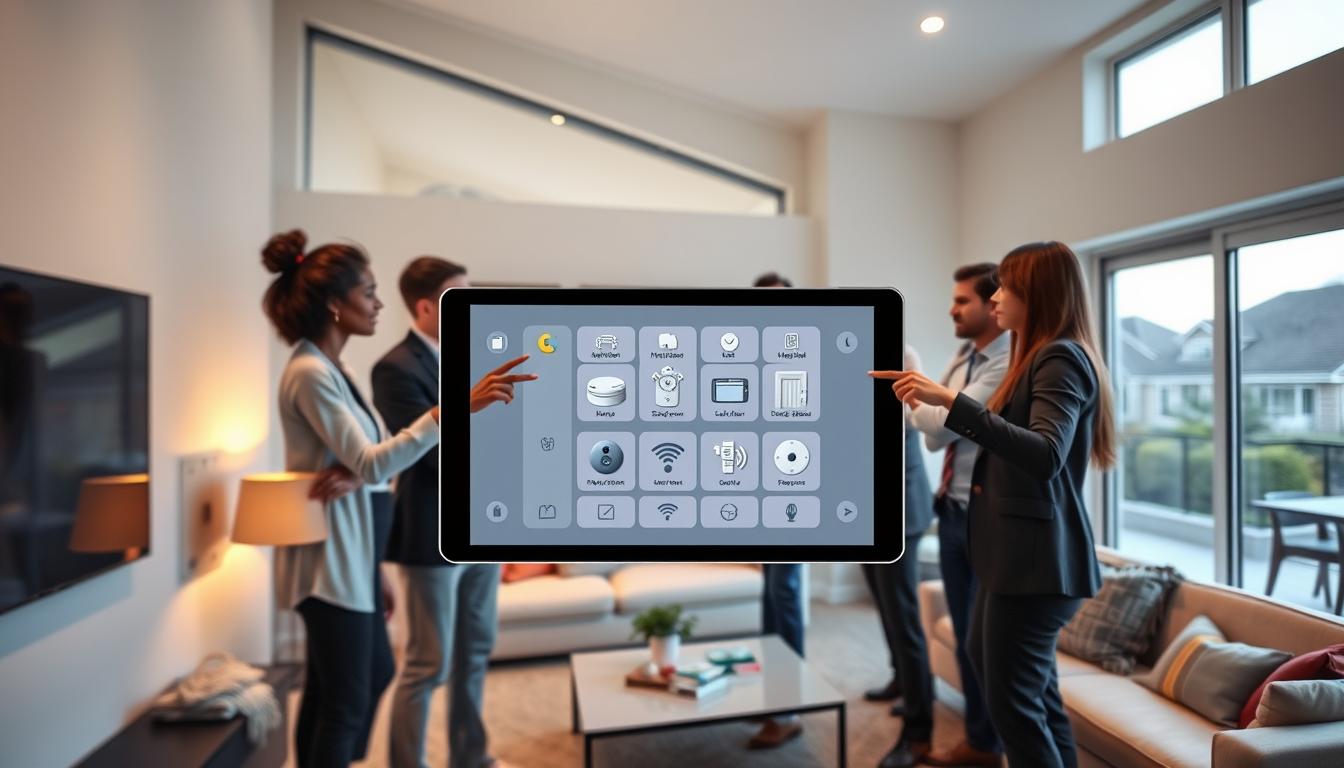
Technology is important for updating a senior’s home. Include smartphones, medical alert systems, smart locks, and remote controls for lights and thermostats. Make sure to add two-way audio for talking with caregivers, family, or emergency services.
Start with quick fixes like motion-sensing lights, secure grab bars, non-slip mats, smart locks, and a phone charger near the bed. This checklist helps you focus on simple changes and bigger projects. It makes a clear plan that keeps the home’s character while making it safer.
Understanding the Importance of Home Security
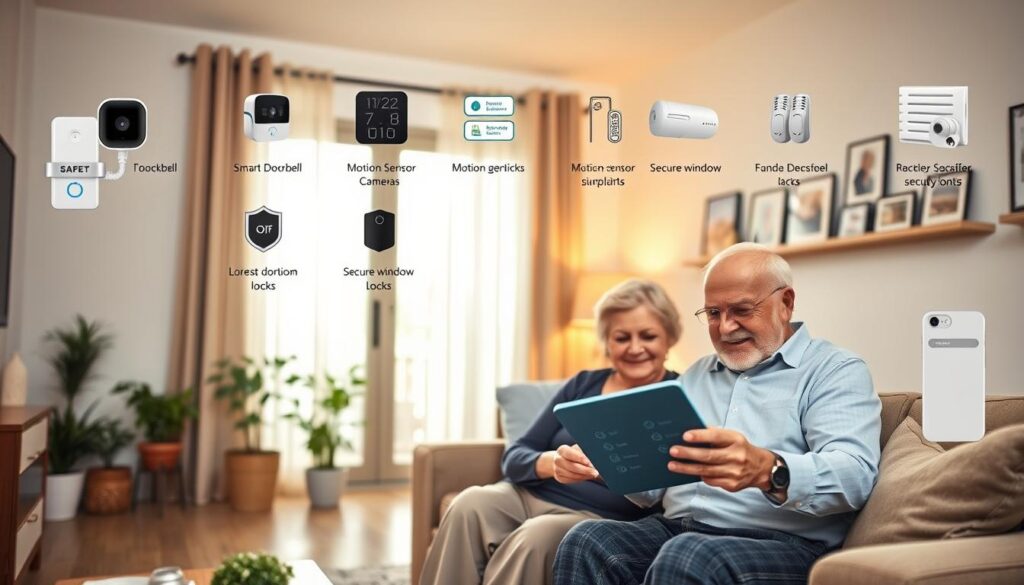
When you think about home security, you want to reduce fall risks, stop intruders, and get help fast in emergencies. This is key for seniors who want to stay in their homes safely. Simple changes can help you stay in your home and keep in touch with loved ones.
Many dangers are easy to overlook. Things like narrow doors, high bedrooms, dim lighting, messy paths, and hard-to-reach controls can lead to falls or slow down help. It’s smart to walk through your home and mark any trouble spots before making any changes.
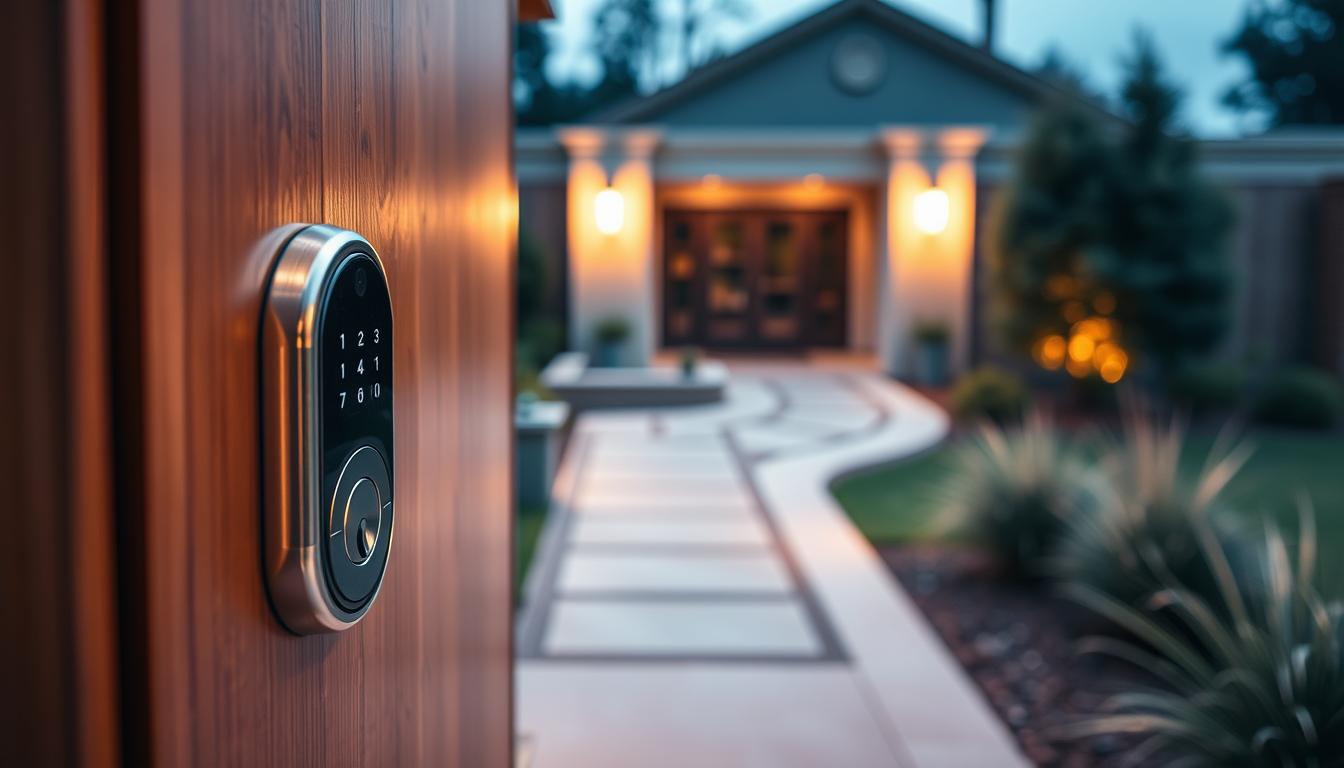
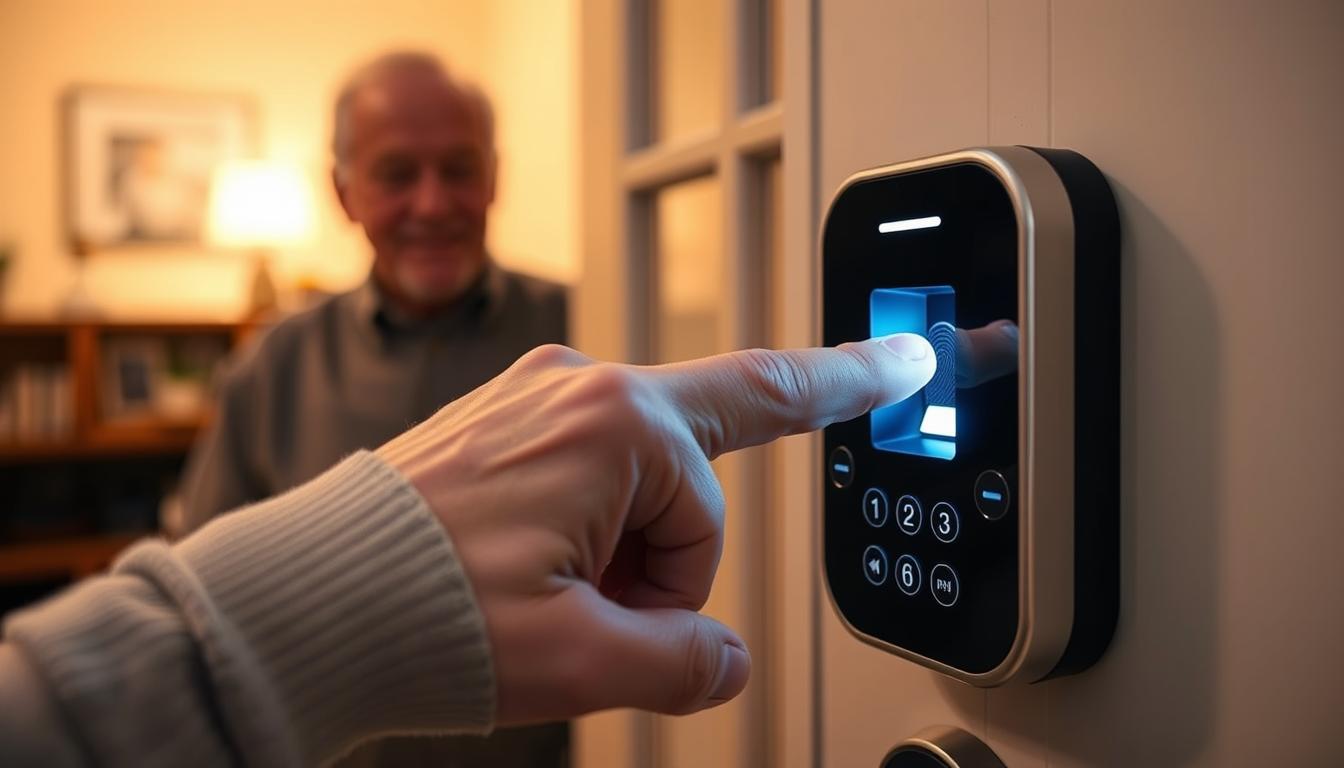
There are many practical ways to make your home safer. Adding handrails and grab bars, installing ramps, and using automatic or motion-activated lights are good starts. Smart locks and push-button or smart entry systems also help keep your home safe and secure.
Technology is a big part of keeping your home safe today. Smart locks and medical alert systems let you control your home and get help quickly. Voice-activated assistants like Amazon Alexa and Google Nest make it easy to talk to someone in real time, helping in emergencies.
The AARP HomeFit approach makes making your home safer easier. Start with the rooms you use most. Then, add lighting, grab bars, and update controls during regular maintenance. This way, you can make changes without disrupting your life too much.
- Start with rooms you use every day to make a big impact.
- Use motion lighting at night to make it safer to move around.
- Choose voice chat technology that lets you talk in real time for urgent needs.
Assessing Current Security Measures

Begin by doing a room-by-room check of your home’s security. Start with the entrance and outside areas. Look at motion-sensing lights, the condition of ramps, steps, and handrails. Also, test the smart locks to make sure they work well.
Next, check the stairs and hallways. Make sure handrails are on both sides when possible. Add reflective tape on risers and motion-activated step lighting. Also, clear clutter and secure loose cords to avoid trip hazards.
In the bathroom, check for walk-in showers or shower chairs. Also, ensure grab bars are securely attached near the shower and toilet. Make sure enclosures are safe and add slip-resistant strips, raised toilet seats, and non-slip mats where needed.
Look at the bedroom for accessibility. If stairs are a risk, consider placing the main bedroom on the main level. Check bed rails, a bedside smartphone charging station, and adjustable beds or bed risers for easier transfers.
Check the kitchen for safe workflow. Look for stove safety features like burner alerts and accessible appliance handles. Use slide-out drawers instead of deep cabinets, rubberized cutting boards, and cut-resistant gloves. Also, keep vents clean to avoid fire risks.
Do a technology audit as part of your safety check. Test smoke and carbon monoxide detectors and make sure medical alert devices are charged. Also, ensure your smartphone can connect for emergency apps.
Check if you have an interactive audio system or devices that support bi-directional audio communication. Test real-time audio interaction with a helper to check for clarity and range.
Make a list of things you can fix yourself versus what needs a professional. You can declutter, add rugs, and install non-slip strips on your own. But, hire professionals for grab bars that need studs, ramps, hardwired lighting, and major door changes.
- Entrance/exterior: lights, ramps, smart locks
- Stairs/hallways: handrails, step lighting, clear paths
- Bathroom: grab bars, non-slip surfaces, shower aids
- Bedroom: accessibility, bedside charging, bed safety
- Kitchen: stove alerts, accessible storage, clean vents
- Technology: detectors, medical alerts, interactive audio system, bi-directional audio communication
Use a simple checklist to evaluate your home’s security. This will help you track what you need to fix during your safety assessment.
Upgrading to Smart Home Technology
When looking at home security, choose devices that make your home safer and easier to use. Start with smart locks for your doors. These can be controlled from your phone or a keypad.
Pair these locks with smart lighting and motion sensors. This combo deters intruders and helps you move safely at night.
Use well-known voice assistants like Amazon Alexa or Google Nest. They help you control everything from one place. Smart thermostats and remote temperature control save energy and keep your home comfy.
Many smart devices are easy to set up without professional help. This makes it simple to start using them right away.
- Smart locks: keyless entry, activity logs, and temporary codes for caregivers.
- Smart lighting: motion sensors, timers, and scenes for routines.
- Smart thermostats: remote scheduling and simple temperature control.
Choose systems with two-way audio communication. Doorbell cameras and security panels let you talk to visitors or emergency contacts without opening the door. This makes responding faster and safer.
Look into interactive audio options for inside your home. An audio conferencing solution or modern intercom lets you talk to caregivers, neighbors, or services across rooms. Medical alert systems should have fall detection and two-way voice for quick help.
Decide which devices you can install yourself and which need a pro. Easy plugs and battery sensors are simple to use. But, hardwired lights, smart lock wiring, and full automation might need an electrician or certified expert for safe installation.
Keep all devices secure with strong passwords and updates. Protect voice chat and audio conferencing with a safe Wi-Fi network and two-factor authentication. Regular upkeep ensures your smart systems work well and your home stays secure.
Assessing Exterior Safety Features
Start by checking the edges of your property. Look for uneven walkways, clutter, and plants that block views. Choose easy-to-care-for landscaping to keep paths clear for caregivers and emergency teams.
Focus on exterior lighting for seniors. Bright, motion-sensing lights near walkways, porches, and garage doors help at night. These lights save energy and light up dark spots when someone approaches.
Check entryways for easy access. Look for smooth thresholds, ramps, and wide doors to reduce fall risks. Choose ramps with gentle slopes and non-slip surfaces for safety.
Examine doors and locks for security. Smart locks and push-button entry options are great for those with limited dexterity. Make sure sliding patio doors open smoothly and have secure locks.
Inspect stairs and porches. Add handrails on both sides of stairs and apply reflective tape to edges. Motion-activated lights in stair corners help see each step at night.
Keep porch and walkway surfaces safe. Use non-slip coatings or mats and remove items from paths. Clear surfaces reduce slip risks and make cleaning easier.
Think about adding smart doorbells and outdoor audio systems for safety. Bi-directional audio lets you talk to visitors without opening the door. It also helps verify deliveries safely.
Make a checklist for improvements: lighting, handrails, ramps, non-slip surfaces, and audio-enabled entry devices. Use this list when planning upgrades to support both mobility and security.
Creating a Comprehensive Safety Plan
Begin by checking your home’s safety with a detailed checklist. Sort tasks into three groups: urgent fixes, short-term projects, and long-term renovations. Urgent tasks include removing tripping hazards and improving lighting.
Short-term projects include installing grab bars and smart locks. Long-term plans might involve adding ramps or moving the main bedroom.
Make a list to keep track of tasks. This will help you stay on top of your safety plan.
- Immediate: add non-slip mats, install nightlights, clear walkways.
- Short-term: fit grab bars, add stair handrails, upgrade to smart locks and motion lights.
- Long-term: plan ramps, widen doorways, consider relocating the bedroom for one-level living.
Assign tasks to family, friends, and professionals. You can handle some tasks like decluttering and testing devices. For bigger jobs, like ramp construction, hire experts.
Create a detailed plan for home modifications. List who will do each task, estimated costs, and deadlines. Get quotes from at least two contractors for big projects and keep all receipts.
Add technology to support your independence. Consider a medical alert system and an interactive audio system for communication. Choose devices that allow real-time interaction and connect medical alerts to caregivers.
Start with affordable, impactful items suggested by AARP and local experts. Plan seasonal projects to avoid winter issues and spread costs over time.
Keep all important documents in one place. This includes a checklist, emergency contacts, device manuals, and warranties. Store a physical copy and a digital one for easy access.
Review and update your safety plan after big changes or each year. Check your home’s safety and adjust your plan as needed.
Conducting a Risk Assessment
Begin by doing a thorough walk-through of your home. Look for risks like falls, fires, carbon monoxide poisoning, and unauthorized entry. Use specific checks to measure things like doorway widths, stair lighting, and smoke and CO detector placement.
Check if doorways are wide enough for wheelchair access. Note any narrow halls and plan to widen doors if needed. Make sure stairs have secure handrails and add motion lights to prevent nighttime trips.
Look at bathrooms for fall risks. Check for non-slip strips in showers, secure grab bars, and raised toilet seats. Consider a walk-in tub or shower if slipping is a problem. Make a list of any fixtures that need to be replaced.
Map out key rooms on the main floor. If bedrooms or laundry are upstairs, think about moving them downstairs. Look into chair lifts or home elevators for homes with multiple floors. Include cost estimates in your plan.
Test smoke and carbon monoxide detectors to make sure they’re working right. Make sure they’re in sleeping areas and near kitchens. Keep kitchen vents clean to lower fire and air-safety risks. Note how often you clean them.
For each risk, write down steps to fix it. If halls are too narrow, plan to widen doors. If stairs are dangerous, add handrails and motion lights. Use devices that support two-way audio communication to help with social isolation.
Make a simple checklist to rank risks by how serious they are and how likely they are to happen. Fix the most dangerous risks first. Keep your records to track your progress in making your home safer for seniors.
Importance of Regular Security Audits
It’s wise to do security audits at least once a year. If your health or mobility changes, do them twice a year. This way, you catch small issues before they grow into big ones.
Make a simple plan that fits your routine. Link audits to events like spring cleaning or birthdays. AARP suggests adding one safety feature each year. Start with lighting and then move to grab bars to keep things simple.
During each audit, check and maintain your devices and systems. Test smoke and carbon monoxide detectors, update smart device software, and check medical alert system batteries. Also, make sure emergency calls work by testing the interactive audio system.
- Reassess your home’s layout and furniture every year to make it easier to move around.
- Remove extra furniture that blocks walkways.
- Keep cords away from tripping hazards by not hiding them under rugs.
- Ensure you can easily access appliance handles and drawer pulls.
Keep important documents up to date as part of home maintenance. File warranties, service records, emergency contacts, and contractor details. This makes repairs faster and gives you peace of mind.
- Make a checklist for home security audits and review it each time.
- Test communication features and the interactive audio system every month.
- Plan one safety upgrade each year to improve your home’s safety gradually.
Regular security audits help you adjust your home as your needs change. Taking small, predictable steps keeps your home safe and comfortable, helping you stay independent.
Engaging with Local Security Experts
Start by hiring licensed pros for structural and electrical work. Look for contractors who can install grab bars, hardwire lights, build ramps, and widen doorways. They should also install chair lifts and elevators.
Get an inspection from a certified aging-in-place specialist and a general contractor. They will give you the best advice for your needs and goals.
- Get multiple quotes to compare scope and cost.
- Verify licenses, insurance, and local permits.
- Request references that show experience with senior-safety projects.
For professional home modification, look at local services. Mr. Handyman® can do many interior changes. Window World is great for new windows and sliding doors that improve access and light.
For smart device installation, use an electrician or certified installer. They can set up smart locks, whole-home automation, and secure networks. This supports voice chat and real-time audio for remote check-ins and calls.
Ensure contractors know about accessibility and senior safety. Ask how their plans fit into your daily life and emergency needs. Make sure their work will work with your current systems.
Keep a simple checklist from each visit. Use it to compare plans, timelines, and warranties before you agree to any work on your home.
Educating Seniors About Security Awareness
Start by teaching simple daily habits that boost safety. Make sure paths are clear, test smoke and CO detectors every month, and keep medical alert devices charged. These steps are easy to follow and make safety a part of your daily routine.
Introduce smart devices slowly. Start with voice commands for lights, locks, and thermostats in your most-used rooms. AARP and gerontology experts suggest adding one new feature each year. This gradual method helps build long-term security awareness.
Show how two-way audio works in real-life scenarios. Demonstrate doorbell cameras, intercoms, and medical alert systems. This way, you can hear and speak with family or emergency services in real time. Practicing these features boosts confidence during emergencies.
Provide clear, large-print cheat sheets with device steps, passwords, and emergency procedures. Place a smartphone charging station near your bed. Teach basic phone calls, contacts, and speed-dial features for quick contact. These steps reinforce safety education.
- Practice neighborhood contacts and share a short emergency list with neighbors.
- Pair technology with community supports like neighborhood watch programs.
- Schedule regular reviews when you are evaluating home security to adapt tools and habits.
Keep family and trusted neighbors updated on changes you make. Combining safety education, tech features, and social supports creates a stronger safety net. Encourage ongoing conversations to keep senior security awareness current and effective.
Utilizing Neighborhood Watch Programs
Joining a neighborhood watch program can make your community safer. It increases awareness and quickens the reporting of unusual activities. This means you get alerts faster and can feel more secure.
Make sure to share your contact information with your neighbors. Also, let them know about your medical alerts and daily routines. This helps them act fast if they notice something strange, supporting your safety and the community’s.
Link your smart doorbells and security systems to the group’s communication channels. This way, neighbors can get notifications when necessary. It’s important to respect privacy while sharing alerts to help your tech and offer timely support.
- Ask the group for contractor recommendations for motion-sensing lights and durable locks.
- Request volunteer help for yard work or minor exterior fixes to reduce hazards.
- Set up regular wellness check-ins to cut isolation and maintain social ties.
Pair neighborhood watch check-ins with bi-directional audio communication devices. This allows for real-time conversations during emergencies. Two-way audio and a listening neighbor create a strong response for both social and physical safety.
Use community safety programs to learn simple safety tips and practice emergency routines. Regular meetings build trust and sharpen your response. They also help you keep evaluating home security as needs change.
Developing a Personal Emergency Response Plan
First, write a clear emergency plan. List your primary and backup contacts, the nearest hospital, and your current medications. Also, note where you keep important documents.
Include step-by-step instructions for using your medical alert system and two-way audio devices. This way, anyone can help in an emergency.
Make a checklist for using fall detection and two-way voice features. Test your devices every week. Teach caregivers how to use real-time audio interaction to quickly assess your needs.
Create an evacuation route and mark meeting points outside your home. Practice this route with your helpers. Remember to note any mobility aids like a wheelchair or cane.
Assemble an emergency kit near your bed. Include printed phone numbers, a charged mobile phone, a flashlight, spare batteries, and medical information. Check the phone charge daily and replace expired items.
For audio conferencing tools, list how to start and join calls. Make sure family and caregivers know how to use them for support.
Tell local emergency services about your disabilities or special needs. Ask them to note your file so responders are prepared. Ensure smoke and carbon monoxide detectors work and are linked if possible.
When evaluating home security, include drills and checks in your calendar. Regular practice makes your emergency plan reliable and reduces stress in emergencies.
Finalizing Your Home Security Audit
End your audit with a summary of what’s done and what’s left. List the tasks you’ve finished, those that need bids, and who you’ve hired. Include the costs and keep warranty papers and manuals handy.
Sort out the remaining work based on risk and ease. Fix immediate needs like non-slip mats first. Then, plan for near-term installs like grab bars. Long-term projects like door widening can wait for budget and timing.
Make sure all technology works well and is secure. Test devices like two-way audio and smart home tools often. Update them and change passwords to keep everything running smoothly.
Plan to review your security plan regularly. Do this every year or every two years. Keep your contact lists up to date for contractors and emergency services. This way, you can adjust your plan as your needs change.