Managing chronic conditions like hypertension and heart disease is key. The World Health Organization says adherence is following doctor’s orders. But, many people don’t take their medicine as they should.
Half of those with chronic illnesses in high-income countries don’t follow their treatment plans. This leads to many hospital visits and high costs in the U.S.
Digital health tech offers solutions. Simple apps, smart pill dispensers, and wearables help remember doses. They also track patterns and alert caregivers if a dose is missed.
There are thousands of mHealth apps with medication reminders. Studies show these apps can help people stick to their treatment plans.
Seniors face extra challenges. They might take many pills, forget, or have complex schedules. But, tech like medication reminders can help.
These tools reduce missed doses and send refill alerts. They also keep logs that doctors can review. Apps like Medisafe and MedMinder, and smartwatches like the Apple Watch, make it easy to stay on track.
This article will show you how medication reminders can help. You’ll see why they’re important for managing chronic conditions. And you’ll learn about the different solutions and apps that make taking medicine easier.
Understanding Medication Adherence
Medication adherence means taking medicines as your doctor prescribes. The World Health Organization says it’s about following the timing, dosage, and frequency of your medicine. For chronic conditions, you might need to take medicines for a long time.
Missing doses or stopping early can make your condition worse. It can also increase the chance of needing to go to the hospital.
Older adults often face extra challenges. In high-income countries, three in four older adults take multiple medicines. This can make it hard to keep up with schedules, follow dietary rules, and deal with side effects.
Cognitive decline and limited dexterity can also make it harder. These are practical barriers you need to consider when planning your care.
Poor adherence has big costs. In the United States, it contributes to disease progression and costs around $100 billion in avoidable health spending each year. Clinics use strategies like motivational interviewing and pharmacist-led education to help patients.
But these methods can require a lot of staff time and resources.
When you assess adherence, look for the root causes. Ask if memory, cost, pharmacy access, or physical ability prevents consistent use. Identifying barriers helps you find the best help for your situation.
- Memory gaps — consider reminders or a medication tracker device to prompt doses.
- Complex regimens — a simple medication management system can organize schedules and reduce confusion.
- Cost and access — discuss cheaper generics, delivery options, and assistance programs with your pharmacist.
Matching the problem to the tool improves results. Use medication adherence solutions that target the specific barrier you identified. Some tools focus on memory support, others on safety checks or refill logistics.
Choosing an approach that fits your daily routine increases the chance you will stick with treatment.
The Role of Technology in Medication Management

Mobile apps can help keep track of your meds. They remind you when it’s time to take a dose and let you log if you did or didn’t. You can even share your data with doctors.
These apps check for drug interactions and support many languages. They also work offline and let you remove ads for a cleaner interface.
Studies show apps can really help with sticking to your medication plan. They’ve seen improvements in how well people take their meds over short and long periods.
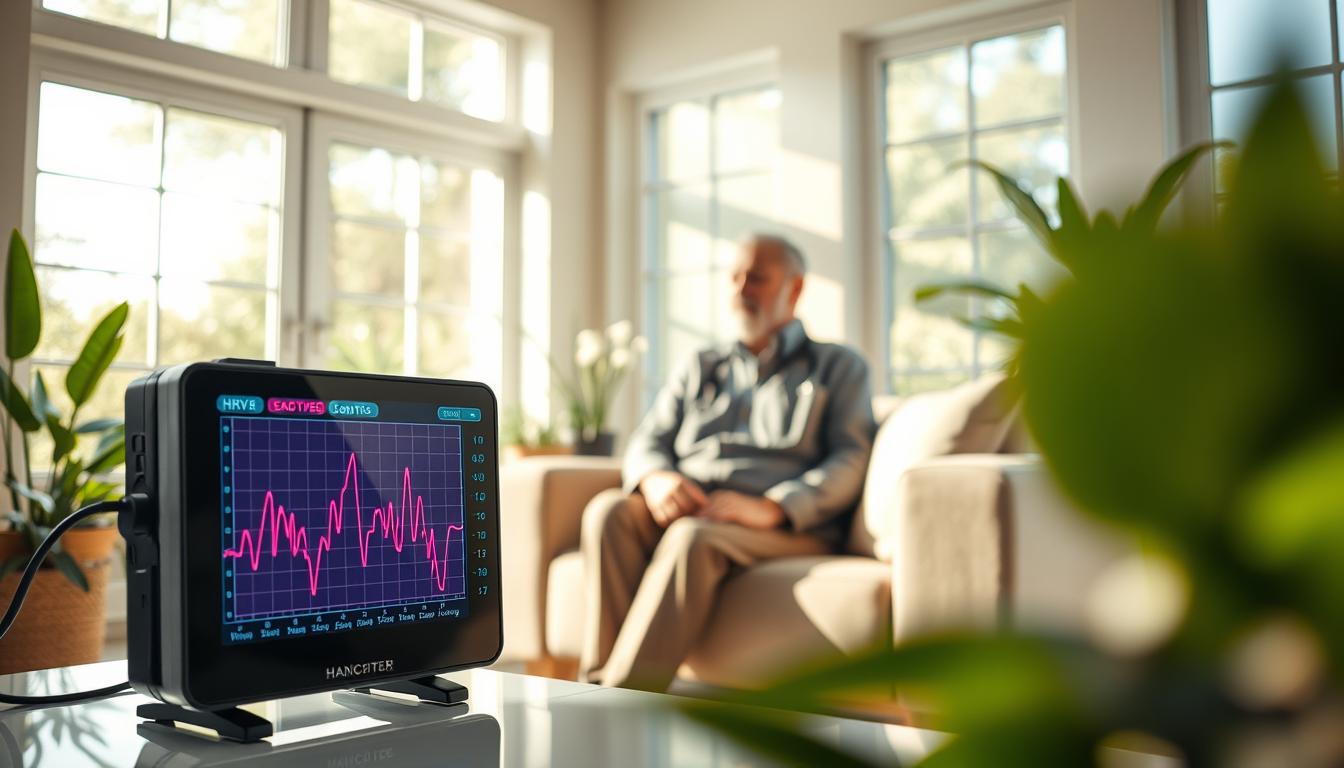
Smart pill dispensers and wearables take it to the next level. They send alerts and control doses automatically. They also send data to doctors for remote checks.
When your prescription software talks to your health records, your meds list is always current. This cuts down on mistakes and helps doctors spot problems quicker.
Technology makes managing your meds easier. It sends reminders, tracks your progress, and shares important info with your care team. This helps you have better conversations about your health and makes refills simpler.
Use a mix of apps, devices, and systems that fit your needs. This makes managing your meds smoother and safer for everyone.
Benefits of Digital Medication Reminders
Digital reminders offer clear benefits. Studies show apps help people stick to their medication plans better. This is true for conditions like high blood pressure, diabetes, and COPD.
Sticking to medication can slow down disease and prevent serious problems. It’s a big win for your health.
Every day, these reminders help in practical ways. They send reminders, track doses, and even send alerts when it’s time to refill. They also teach you about your medication, making it easier for seniors and caregivers.
These tools make it easier to talk to doctors and make visits more useful. You can share logs with your healthcare team.
These solutions come in many forms. Some use simple phone alerts. Others use a connected device for more detailed tracking and alerts.
Using these tools can save money too. Fewer missed doses mean fewer trips to the hospital. This can save families and healthcare systems a lot of money.
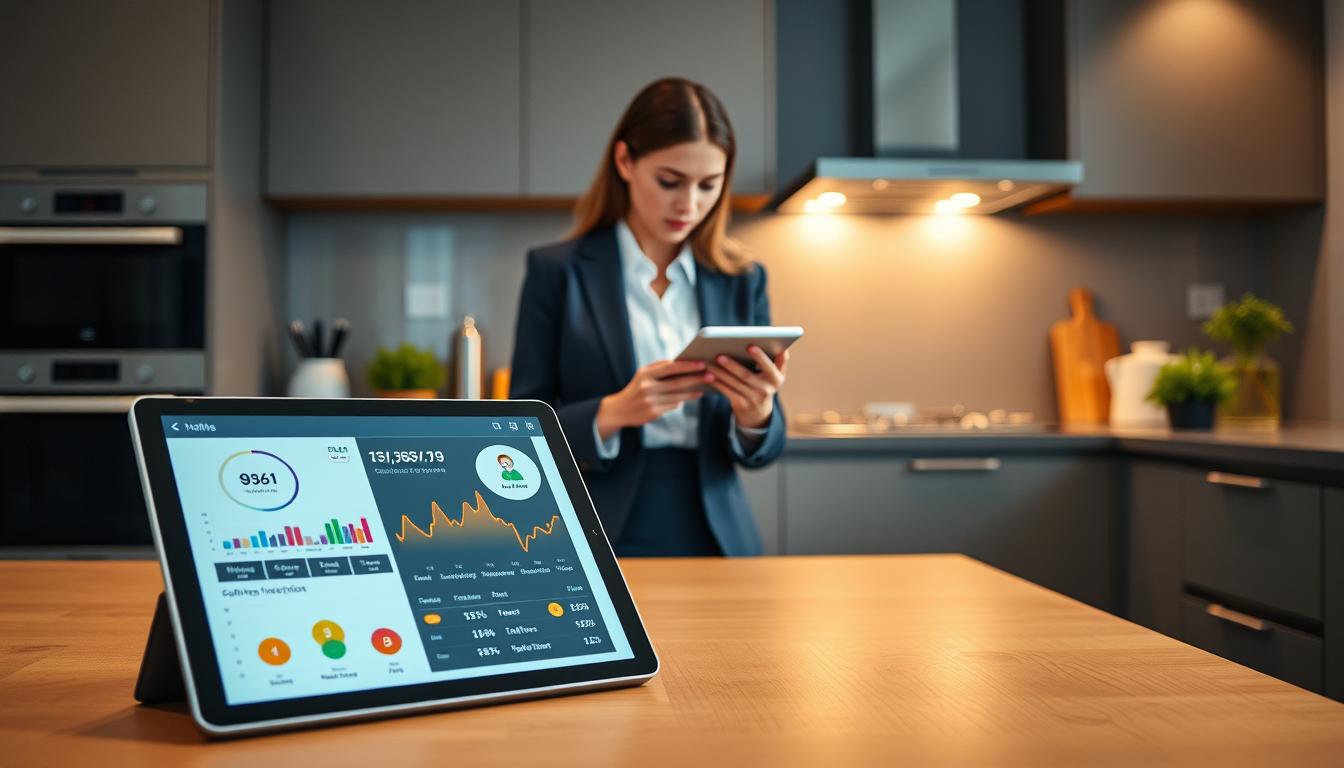
They also help caregivers and doctors. With connected technology, you can watch patterns from afar. This lets you catch and fix problems early.
- Improved clinical outcomes through steady medication use.
- Daily routine simplification with automated medication reminders.
- Better communication via exportable adherence reports.
- Remote support enabled by a medication tracker device.
- Potential cost reduction from fewer hospitalizations.
Using these tools can make your life easier and healthier. Start with one and adjust it to fit your life. You’ll see the benefits.
Popular Medication Reminder Tools
There are many choices for a pill reminder app or a full system for managing meds. Apps range from simple alerts to complex platforms that track doses and interactions. Look for features like customizable reminders, dose logging, and refill alerts.
Well-known apps like Medisafe and MyTherapy offer education, analytics, and data sharing. Simple apps like Alarmed focus on clear alerts and easy logging for those who like a minimal interface.
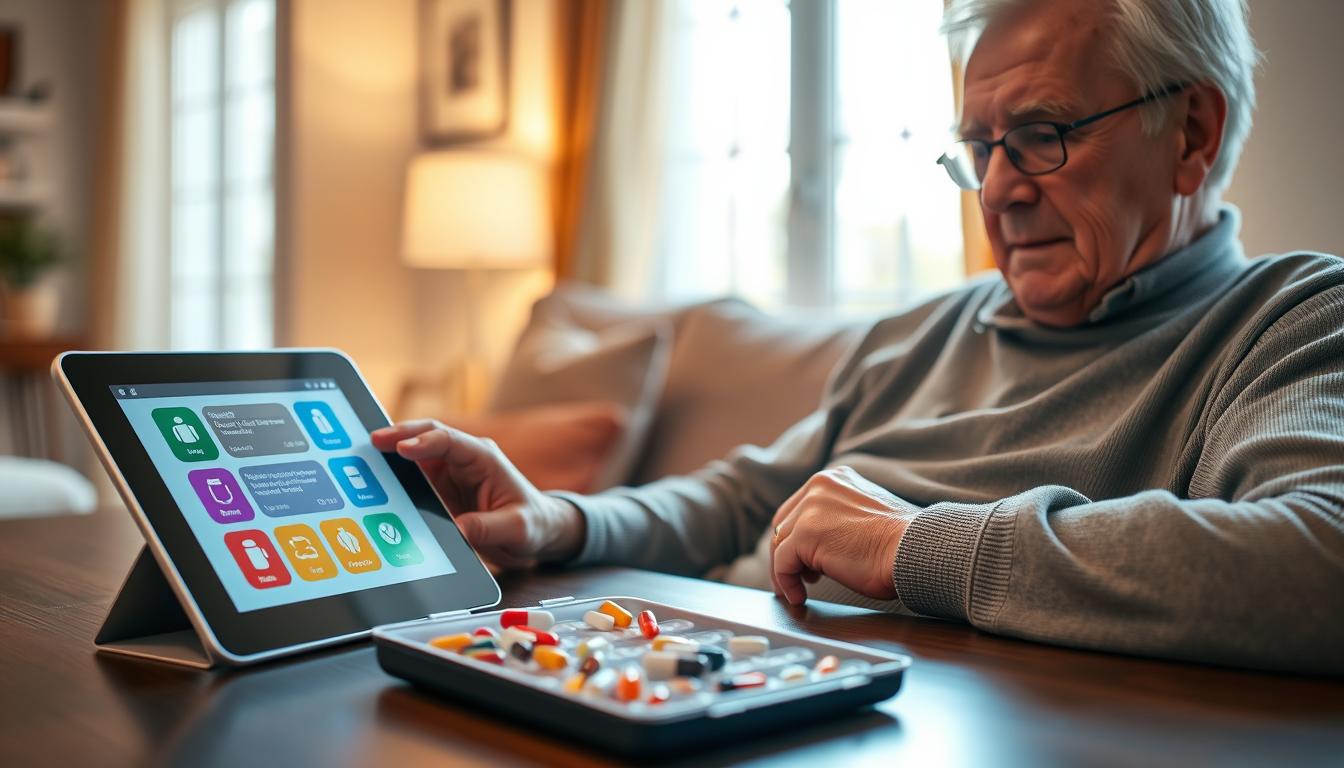
A smart pill dispenser can make getting the right dose easier. Devices like Hero and MedMinder hold multiple meds and release them on schedule. They send alerts to your phone and caregivers if doses are missed.
Wearables from Apple and Fitbit can also help with reminders. They send alerts and track activity or heart rate related to medication effects. Studies have shown that tech can improve adherence in clinics, dialysis centers, and remote studies.
When choosing, consider these practical factors:
- Automatic dispensing versus manual reminders.
- Caregiver alerts and clinician compatibility.
- Refill reminders and exportable reports.
- User interface simplicity for seniors.
Try a trial period to test a pill reminder app with any smart pill dispenser or system. This helps you see if the tools fit your daily life and caregiver network.
Choosing the Right Medication Reminder Solution
First, match the solution to your medical condition and how complex your regimen is. Research shows different apps and devices work better for different needs. If you take many pills a day or need to time them with meals, choose a system designed for complex regimens.
Consider who will use the tool. Think about their tech skills, memory, dexterity, hearing, and vision. If a senior finds smartphones hard to use, consider a smart pill dispenser or a tablet app with big fonts and clear instructions. It’s also important to have caregiver access, whether it’s family or home health aides.
Look for evidence that the solution works. Choose products with randomized trials or published studies. Look for features that track doses and provide reports to track progress and share with doctors.
See how the solution fits into your care system. Look for apps that integrate with electronic health records and prescription management software. This makes refilling easier and reduces missed doses. Make sure the product offers refill reminders and works with your pharmacies.
Consider the cost and what the device is classified as. Consumer apps might be cheaper but may not be cleared by doctors. Licensed devices cost more but offer stronger support and clinical documentation. Think about how much the product will improve your health and daily life.
When choosing, focus on usability, proven effectiveness, caregiver access, refill management, and data privacy. A good choice meets your specific needs, fits the user’s abilities, and connects with your pharmacy or doctor through reliable software.
Use this checklist to narrow your choices:
- Condition fit and regimen complexity
- User abilities and caregiver access
- Clinical evidence and adherence measurement
- Integration with prescription management software
- Cost, device classification, and privacy protections
Choosing the right medication reminders tech improves daily life and supports long-term adherence. Look for clear prompts, reliable tracking, and features that make your life easier while keeping your health data safe.
How to Implement Medication Reminders at Home
First, figure out what you need. Look at memory issues, how many meds you take, and if someone helps you. This will help you decide between a pill reminder app, a smart pill dispenser, or a medication tracker.
Next, set up a step-by-step guide. Add each medication to your chosen tool, set reminders, and test alerts. Give clear instructions and a demo to help you and caregivers understand how to act on alerts.
- Set up medication lists and doses.
- Schedule reminder times that match daily routines.
- Run alert tests and confirm dose logging.
Teach everyone involved. Show family, paid caregivers, or home health aides how the app sends alerts and how the dispenser works. Make sure the tracker device is connected and reports are easy to read.
Keep an eye on how well it’s working. Check app logs or device reports every week. Compare before and after to see if it’s making a difference. It might take a few weeks to really notice.
Work with your care team. Share reports with doctors or use telehealth to discuss patterns. Set up refill alerts and consider software for automatic refills.
If you run into issues, make small changes. Try different reminder times, switch apps, or use a dispenser with bigger compartments. Test each change for a week or two.
- Assess needs and pick tools.
- Onboard users with clear steps.
- Train caregivers and test alerts.
- Monitor logs and measure change.
- Share reports with clinicians and set refill links.
By following these steps, you can create a reliable system at home. It uses technology to help with medication and keeps everyone informed.
Addressing Privacy Concerns with Medication Tech
Before you sign up, check how an app or device handles connectivity. Many digital health tools use cloud storage and data export. This means your medication records can move off the device. Ask vendors about HIPAA compliance, encryption standards, and where data is stored.
When looking at prescription management software, check the vendor’s privacy policies and third-party sharing. Look for clear statements on data retention and if analytics or advertising use your information. Choose medical-grade, ad-free solutions if privacy is key.
Think about who should have access to your data. Set up access controls so only those you trust can see your records. Always get permission before sharing your health information with others.
Check the security of IoT healthcare technology like smart pill dispensers and wearables. Make sure they have secure firmware updates, encrypted communications, and a reputable manufacturer. Stay away from products that collect too much personal data or show targeted ads.
- Ask vendors if their systems are HIPAA compliant.
- Request details on encryption for data at rest and in transit.
- Confirm who can access, export, or delete your records.
- Prefer devices with regular security updates and clear vendor accountability.
Before using any prescription management software or IoT healthcare technology, get written answers about encryption, data retention, and access controls. This careful research helps keep your privacy safe while you enjoy digital reminders.
The Future of Medication Reminders Tech
Mobile health tools and smarter devices will grow fast. They will help manage your medication every day. Studies show apps can be very helpful, and more money is going into digital health tech.
Apps will soon connect better with your electronic health records. This means doctors can keep an eye on if you’re taking your meds without extra work. Your pharmacist or doctor can also see your reminders and change them if needed.
AI will start sending alerts before you miss a dose. These alerts will use data from smart dispensers and wearables. They will also consider things like your activity and where you are to make reminders more relevant.
Designs will get simpler for older adults. There will be clearer voice prompts and easier-to-use screens. Telehealth will let you talk about taking your meds during online visits. Automated reports will make it easier to talk to caregivers about your meds.
- Research will test which app features work best and for how long.
- Longer studies will look at how well these tools work over time and if they save money.
- Clear rules and data standards will help digital health tech grow in clinics and homes.
When picking a solution, look for ones that are easy to set up. Make sure they share your data safely with your healthcare team. The next big thing in medication reminders tech should be smarter, more connected, and something you can trust.
Case Studies: Success Stories of Medication Reminders
Digital tools have been shown to boost medication adherence in studies. Between 2014 and 2022, 14 randomized controlled trials tested mobile apps for seniors. These trials took place in various settings, from primary care to online recruitment.
These studies found that apps helped patients stick to their medication plans. Ten of the studies showed significant improvements. The combined results showed apps made a real difference in how well patients followed their medication schedules.
Apps were tested for conditions like high blood pressure, heart disease, and HIV. Studies on hypertension showed that reminders and tracking through apps helped patients take their meds better.
Some studies found that more advanced apps with features like two-way reminders and feedback led to better results. Using smart pill dispensers with electronic logging added valuable data to support these findings.
- Study sizes ranged from under 60 to over 400 participants.
- Intervention periods varied from one month to a year.
- Most trials used two-arm designs; one used a three-arm design to compare app versions.
For both homes and clinics, these findings suggest the practical benefits of using medication adherence solutions. These tools can lead to consistent, measurable improvements in patient care across different conditions.
Common Questions about Medication Reminders
Does technology really help with taking medication? Yes, studies show apps and digital tools can help. You might see small improvements at first. It’s important to track how well it works with things like pill counts.
Which device is right for you? A simple tracker or a phone app might be good if you always carry your phone. For more complex plans, smart pill dispensers that open doses and track use are better. Wearables offer extra reminders and health info if you prefer them.
How long should you try a new tool? Tests last anywhere from 30 days to a year. Start with a few weeks to see if it works. Then, keep using it for months to see if it keeps working and if there are any side effects.
Will your data be shared? Always check the privacy policy of the tool you choose. Make sure it follows HIPAA rules if you’re sharing health info. Get clear on how and with whom your data will be shared, and limit access if you want more privacy.
- Match the tool to your tech comfort and daily habits.
- Pick a medication tracker device when you need automatic logs and caregiver views.
- Choose automated medication reminders for hands-free dosing and fewer missed doses.
- Test for several weeks and reassess based on real-world use.
When choosing, think about how complex your routine is, if you have a caregiver, and your privacy needs. This way, you can find the right tech for your life and keep taking your medication regularly.
Staying Engaged with Your Medication Management
Choosing a simple medication management system is key. Look for a pill reminder app or dispenser with big fonts and clear instructions. Also, make sure it has audible alerts for easy setup.
A system that’s easy to use will help you stay on track. It reduces frustration and keeps you committed to your plan.
Track how well you’re taking your meds with logs from your app. Look for patterns, like missing evening doses or not taking meds on weekends. Adjust the reminders or settings to fit your daily life.
Get your caregivers and doctors involved in your medication routine. Share your adherence reports with them. Also, schedule regular check-ins to talk about side effects, refills, and any dose changes.
Use reminders synced with your pharmacy and software for managing prescriptions. These tools help prevent missed refills and ensure you always have your meds.
- Set a weekly review to confirm doses and refills.
- Ask a caregiver to verify evening doses if you miss them often.
- Switch to a louder alert or visual cue on your pill reminder app when hearing loss is an issue.
Combine digital reminders with short, specific education on your meds. Knowing why you take each drug helps you stay motivated. It makes your medication routine feel important for your health.
Make ongoing engagement your practical takeaway. Regular reviews, caregiver support, and small tech adjustments help you stick to your medication plan. This boosts your confidence in managing your meds every day.
Conclusion: Embracing Technology for Better Health
Medication reminders tech can make taking your medicine easier and safer. Studies show that apps and reminders help people stick to their treatment plans. These tools are affordable, easy to use, and work well with doctors to improve how well people follow their treatment.
When picking digital health tools, think about what you need and can use. Seniors do best when their caregivers help, their privacy is protected, and the tool works with doctors. If you need more help, look into software or smart dispensers that doctors can use too.
Begin with something simple: try an app, a smart pill box, or a system that helps with both. Use it for a few weeks and see how it goes. Keep an eye on how well you’re taking your medicine and talk to your caregivers or doctors about any changes.
Plan ahead, get your care team involved, and see technology as a way to help your health care. With the right tools and support, you can manage your medicines better. This can lead to safer and healthier aging.