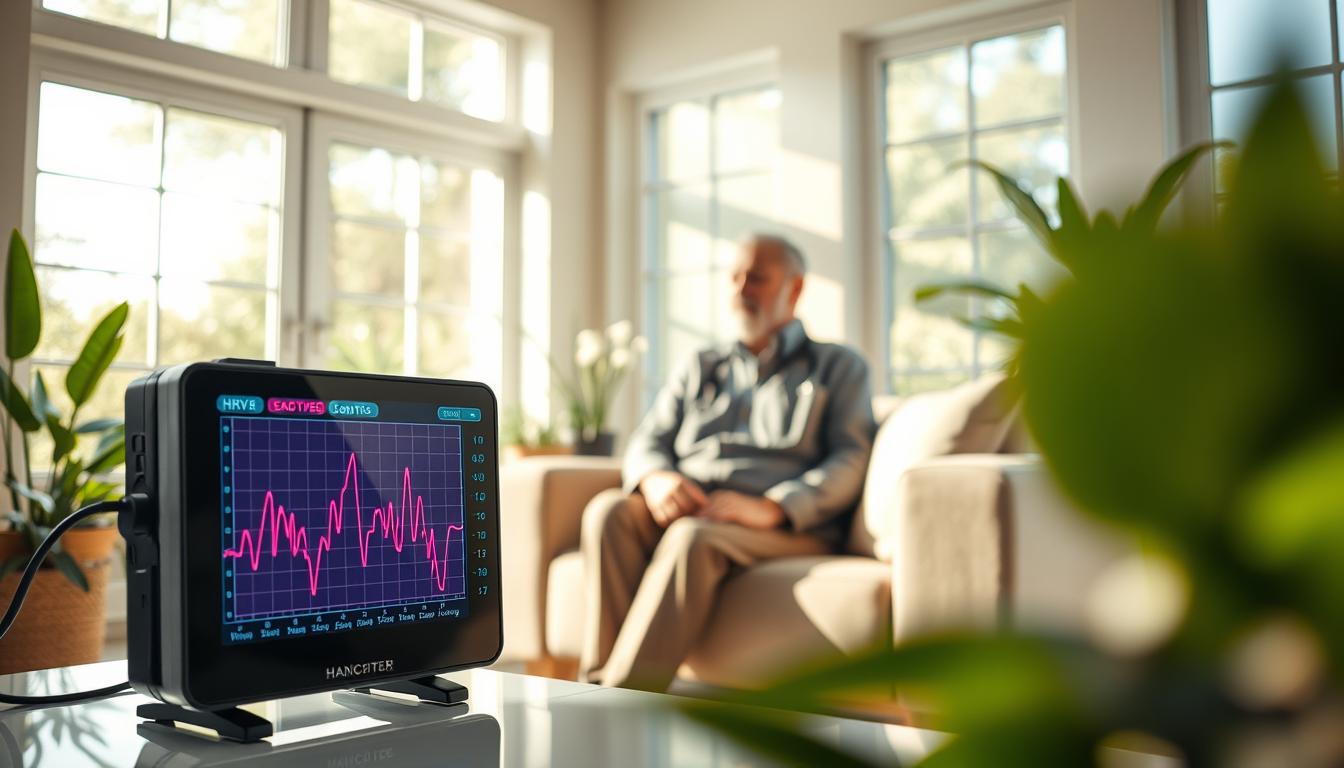
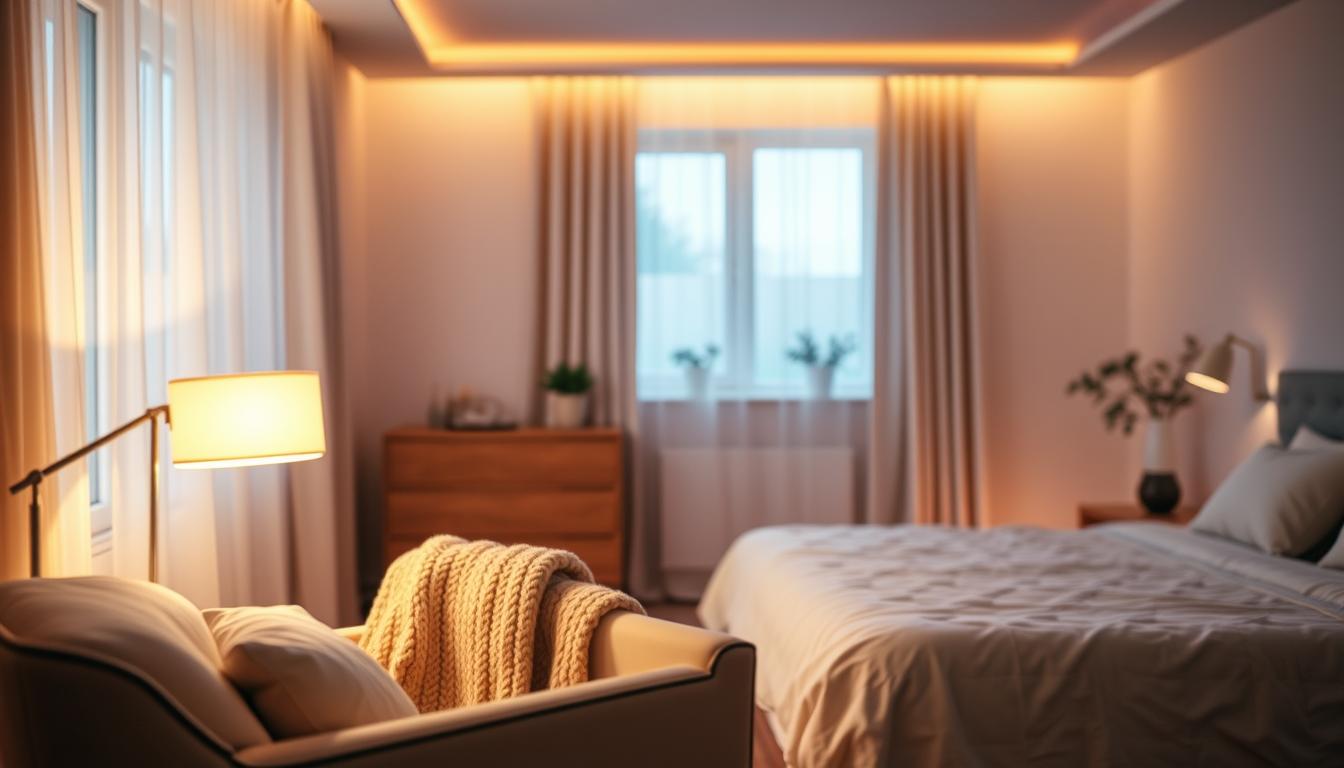
Light tells your body when to sleep and wake. But, as we age, our eyes change, making it harder to get these cues indoors. Many homes and long-term care places don’t have enough light. This is because our eyes get smaller, we get cataracts, and it takes longer to adjust to light.
Circadian rhythm lighting changes color and brightness to match daylight. In the morning, it’s cool and blue to wake you up. At night, it’s warm to help you sleep.
Studies show bright light therapy helps older adults stay active during the day. It also helps them sleep better. Modern lighting systems can do this for you, changing colors and brightness to help your body clock.
Good lighting also makes you less likely to fall and helps people with dementia stay in bed. It makes you happier and more active during the day. These systems can turn on and off automatically, adjusting to your needs.
In summary, circadian lighting is a game-changer. It helps your eyes, keeps your body clock on track, and improves sleep. It’s a simple way to stay safe and healthy as you age.
Understanding Circadian Rhythm and Its Importance
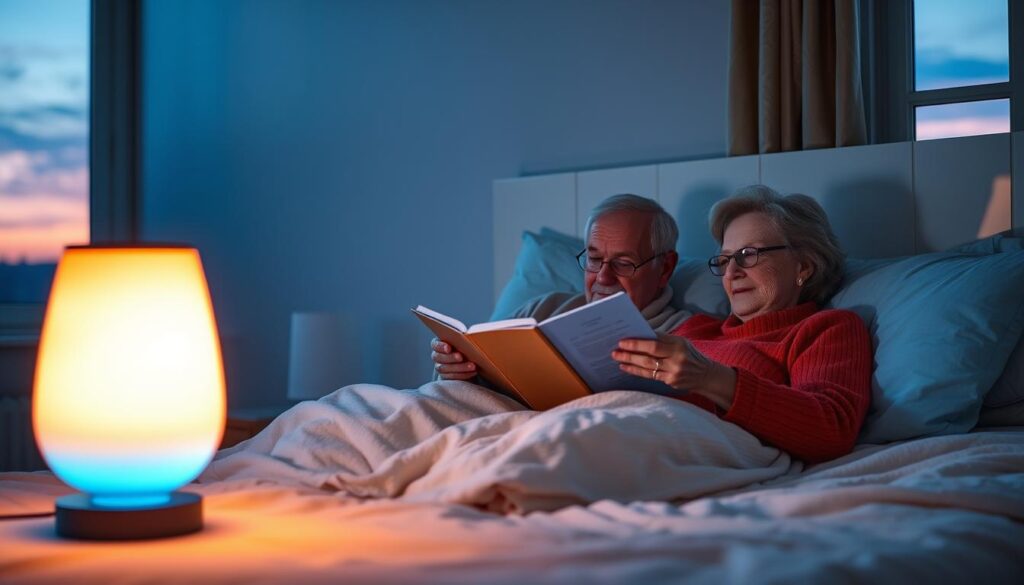
Your body has an internal clock that lasts almost 24 hours. It controls when you feel awake and when you sleep. As you get older, this clock might start earlier and make it harder to fall asleep.
Light is key for your body’s clock. Blue and cool light tells your brain it’s daytime and lowers melatonin. Warm, soft light in the evening helps melatonin rise, getting you ready for sleep.
In places like hospitals and at home, light patterns can mess with your body’s rhythm. Bright light in the day can help your body’s clock move to a better schedule. This improves how you feel during the day and sleep at night, for older adults and those with dementia.
Circadian lighting technology changes light’s color and brightness to match day and night. Smart systems adjust these changes automatically. This way, your environment gives consistent cues without needing manual changes all the time.
Good lighting design for your circadian rhythm includes natural daylight, controlling glare, and regular light schedules. These elements help keep your internal clock in sync. They also help reduce sleep issues that come with aging.
- Expose yourself to bright, cool light in the morning and midday to strengthen daytime alertness.
- Use warm, dim lighting in the evening to allow natural melatonin production.
- Consider circadian rhythm lighting solutions when designing living spaces for older adults.
The Role of Lighting in Circadian Rhythm
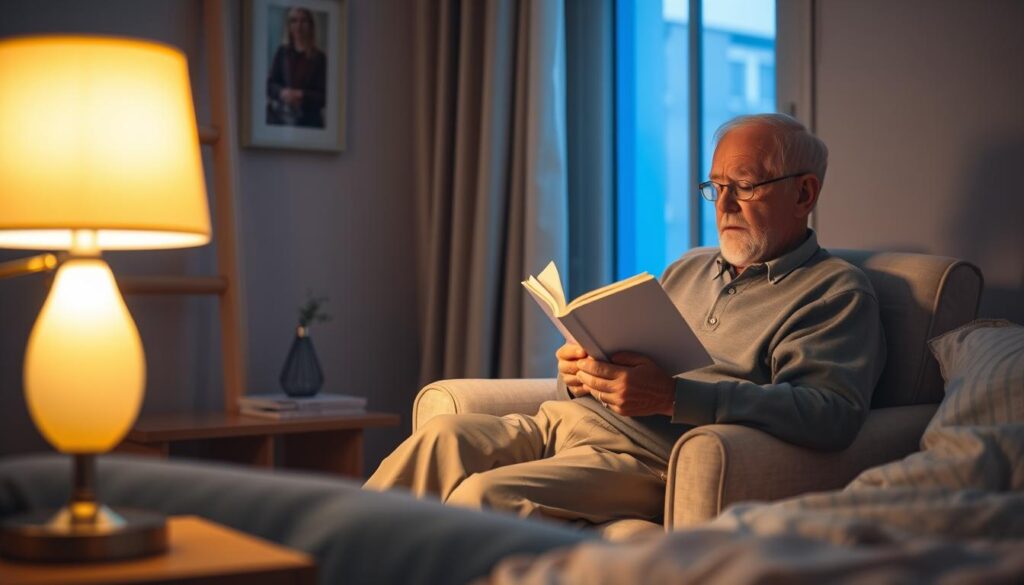
Light helps set your internal clock. Studies show it stabilizes sleep, mood, and activity during the day. For those with dementia, more daytime light boosts thinking and sleep, as found by Riemersma-van der Lek in 2008.
Light’s intensity and color affect your melatonin cycle. Blue light, with its short wavelength, suppresses melatonin and keeps you alert. Green light also helps, but less than blue. Warm, low-intensity light in the evening helps melatonin rise, preparing you for sleep.
Modern circadian lighting technology uses these principles. In the morning, use high-intensity cool-spectrum light to wake up. At night, switch to warm, dim light to help you sleep.
Smart circadian lighting systems automate these changes for consistent cues. They use automated schedules, gradual dimming, and dawn/dusk simulations to reduce nighttime light. This makes it easier to keep a regular routine.
When choosing solutions, look for systems that let you control timing, spectrum, and intensity. Proper setup reinforces your natural rhythm and can cut down on sleep disruptions without medication. Good circadian rhythm lighting aligns your environment with your body’s day and night expectations.
Benefits of Circadian Rhythm Lighting for the Elderly
Adapting light in homes for older adults brings many benefits. Studies show that it improves alertness during the day and activity levels. It also leads to better sleep and less restlessness at night.
Warm evening light and less blue light help make melatonin, aiding sleep. Bright morning light boosts alertness and sets the body’s clock. These changes improve sleep quality and reduce morning grogginess.
Smart systems make it easy to use circadian lighting. They offer features like automated dimming and slow color-temperature changes. These features reduce sleep disruption and add safety at night.
- Improved daytime function and mood through better light timing.
- Reduced sundowning behaviors and fewer nighttime disturbances.
- Enhanced visibility that may lower fall risk and support independent living.
- Better mealtime lighting that can increase appetite and nutrient intake.
Circadian lighting solutions can work with sleep trackers and simulated sunrise scenes. These integrations help fine-tune schedules and support healthy sleep-wake cycles. They are easy to set up without complexity.
When choosing circadian lighting solutions, look for customization options. This flexibility allows you to match light to personal routines and medical needs. It supports daily life in a meaningful way.
Features of Color-Adjustable Lighting
Older adults need fixtures with high CRI and bright, even light. Look for LEDs with a CRI above 80. This helps reduce glare and shadows.
Find tunable white options to change light colors. Switch from cool, blue-rich light in the morning to warm amber tones at night. This is key for circadian lighting design.
- Adjustable color temperature from about 2000K to 6500K for day-night shifts.
- Dimming controls and automated schedules to lower light levels before bedtime.
- Indirect and diffused fixtures that limit harsh glare on aging eyes.
Smart features let you set scenes for wake, daytime tasks, and wind-down periods. Apps and sleep trackers help adjust lighting to your routine.
Motion-activated nightlights and low-intensity red options guide safe nighttime movement. Keep nighttime reds dim to avoid disrupting sleep cues.
- Prioritize spectral flexibility: morning blue for alertness, evening warm for rest.
- Use daylight access where possible, through windows or skylights, to reinforce timing cues.
- Choose energy-efficient fixtures with long lifespans to reduce maintenance and cost.
By combining these elements, you create a home plan that supports better sleep and daily function. It uses color-adjustable lighting and circadian lighting technology.
How to Implement Circadian Rhythm Lighting
First, check how much light you need in the area. Make sure there’s enough ambient light. Add task lights for reading or eating. Use diffuse fixtures to cut down glare.
In places like care homes, mix natural light with adjustable lights. This helps match the light to the day’s activities.
Choose dimmable, tunable lights that can change brightness and color. Make mornings and midday brighter with blue light to stay alert. In the evening, switch to warm, soft light to help you relax and sleep.
At home, swap out old bulbs for smart ones from brands like Philips Hue or LIFX. Connect your lights to your schedule and sleep tracker. This way, you can adjust the lighting to fit your sleep pattern.
Remember, research is a guide, not a strict rule. Studies suggest morning light doses of 2,500 lux for 60 minutes or 10,000 lux for 30 minutes. Adjust these amounts based on what works best for you, avoiding a one-size-fits-all approach.
- Place lights where they won’t cause glare or reflections. Avoid shiny floors and surfaces.
- Use motion-activated nightlights for safe walking at night without disturbing your sleep.
- Try to avoid blue light from screens for at least an hour before bed. Blue-blocking glasses can also help.
Choose circadian lighting systems and apps that work with sleep trackers and mobile apps. Test different schedules for a few weeks. Keep track of how it affects your sleep, wake times, and alertness during the day.
Think about circadian lighting when you’re redoing your home. Even small changes, like new bulbs or ceiling lights, can make a big difference. For homeowners, look into solutions that improve both safety and light exposure.
Syncing Lighting with Daily Routines
Timing light exposure can shape your daily rhythms. Bright, cool light in the morning boosts wakefulness. It helps shift your activity peaks to earlier in the day.
Midday and afternoon light control can reduce restlessness and challenging behaviors. This is common in care settings.
Warm hues in the evening signal it’s time to wind down. Gradually changing light colors from cool to warm mimics the natural day-night cycle. Avoid blue and green light two hours before bed to help you sleep better.
- Set automated schedules that simulate sunrise to wake and sunset to prepare for sleep.
- Program a “wake” scene with bright, cool light and a “dinner” scene with softer, warmer light.
- Use a low, warm “night” scene plus motion-activated path lighting for safe nocturnal movement.
Smart circadian lighting systems can follow your routines. Link them to sleep trackers or smart home devices like Alexa and Google Home. This way, lighting adjusts to your sleep patterns and preferences.
Choose lighting solutions that are easy to program and adjust. Caregivers will like simple apps and preset scenes for different times of the day. Consistency in timing is as important as color and intensity.
When upgrading, talk to brands like Philips Hue or Lutron for effective circadian lighting. Look for products that support gradual transitions, scene automation, and health device integration. This ensures a reliable daily routine.
Overcoming Challenges with Aging Eyes
As we age, our eyes undergo changes. Our lenses turn yellow, our pupils shrink, and it takes longer to adjust to light. This means we need more light to see well and get the right cues for our body’s rhythm.
It’s important to plan for brighter light during the day. Also, avoid harsh reflections that can confuse people with dementia.
Choose lighting solutions that increase light without causing glare. Adjustable intensity fixtures are great. They let you turn up the light for reading or grooming, then dim it for a cozy evening.
Look for lamps and bulbs with a high color rendering index (CRI >80). This ensures colors look natural for everyday tasks.
Use matte finishes, indirect lighting, and beam control to manage contrast and glare. Add task lighting at bedside tables and bathrooms for better support with close work. Sheer draperies or motorized shades help reduce direct sun while keeping daylight benefits.
- Fit adjustable overheads and directional task lights for layered illumination.
- Avoid polished floors and glossy surfaces that cause startling reflections.
- Coordinate lighting levels with your optometrist’s recommendations and schedule regular vision checks.
By making these practical changes, you can improve your visual comfort and daily rhythms. Adapting your fixtures, finishes, and controls leads to clearer vision and more benefits from circadian lighting technology in your daily life.
Case Studies: Positive Outcomes from Color-Adjustable Lighting
Many studies show how circadian lighting helps older adults. Riemersma-van der Lek et al. (2008) found that more daytime light improved thinking, mood, and sleep in people with dementia. They also found that melatonin worked better with light therapy.
Sloane et al. (2007) and Shochat et al. (2000) saw better sleep and activity timing with bright light. This was most true for those with severe dementia. Their work shows how circadian lighting can help with daily routines.
Sumaya et al. (2001) used 10,000-lux bright light for 30 minutes daily. This lowered depressive scores in older adults. Garce (2004) saw a 49.5% drop in challenging behaviors in Alzheimer’s patients with light management.
Real-world smart lighting also shows benefits. Homes with automated lighting see better sleep and morning alertness. Features like sunrise simulations and gradual dimming are key to success.
Case studies highlight safety, fewer nighttime wake-ups, and more daytime activity. Choose circadian lighting systems that change color and intensity on a schedule. This helps seniors while fitting into their daily lives.
Cost-Effective Solutions for Home Lighting
Improving sleep and reducing falls doesn’t have to cost a lot. Mix simple daylight strategies with affordable circadian lighting technology. Start by using windows and skylights to bring more daylight into living and dining areas. Natural light is free and helps regulate our circadian rhythms.
Switch to LED bulbs with tunable white or color-adjustable features for the evening. Brands like Philips Hue and Sengled offer bulbs that work with common smart hubs. These bulbs save energy and replace older fluorescent fixtures, saving money in the long run.
- Prioritize upgrades in the bedroom, living room, and main hallway.
- Use daylight during waking hours, then shift to warm LEDs after dusk.
- Add plug-in dimmers or smart plugs to control existing lamps affordably.
Low-cost add-ons can make a big difference. Motion-activated night lights guide movement without bright overhead lighting. Plug-in dimmers let you lower intensity in the evening. Smart LED bulbs enable automated schedules, so you don’t have to remember to change them manually.
Plan your purchases with total cost in mind. Upgrading primary rooms first stretches your budget and boosts daily impact. Consider energy savings from LEDs, lower bulb replacement costs, and possible health benefits like better sleep and fewer nighttime accidents.
For a balanced approach, combine daylight maximization, basic tunable bulbs, and low-energy path lighting. This mix offers practical circadian lighting solutions for homes. It keeps upfront spending reasonable and long-term value high.
Maintaining Optimal Lighting Conditions
To keep circadian lighting systems working well, start with even, soft light. Choose lumen levels that are good for older adults. Use matte finishes and sheer draperies to reduce glare and ensure light is spread evenly.
Set a lighting schedule that changes with the seasons and fits each person’s sleep and wake times. Dim blue and green light before bed to help produce melatonin. Check and adjust color-temperature schedules every few months or after big changes in routine.
- Clean fixtures and replace bulbs before their light output drops a lot.
- Make sure smart controllers have the latest software and back up lighting scenes and schedules.
- Check lighting after changing furniture or surfaces to avoid new glare or hotspots.
Keep track of how changes affect sleep, mood, and alertness during the day. Use these observations to fine-tune scenes, timing, and brightness to meet individual needs.
If vision changes, work with an eye-care professional. Adjust task lighting, contrast, and placement to reduce eye strain and ensure safety. Regular maintenance of circadian lighting systems is key to long-term health and well-being.
Conclusion: The Future of Circadian Rhythm Lighting for Seniors
The future of circadian lighting is promising for homes and care settings. Studies show that mixing natural light with electric lighting improves sleep and behavior in older adults. It also boosts safety.
Good lighting design includes dimmable controls and less glare. It also has higher light levels during the day. This meets both visual and biological needs.
New research supports using warm, low-blue light in the evening. This helps regulate melatonin cycles. In the day, blue-enriched light is better for aligning with natural rhythms.
This means using lighting that changes with the day. Morning light should be brighter and cooler. Evening light should be warmer and dimmer. Avoiding blue-rich light at night is a simple step you can take.
Technology and costs are making it easier to adopt circadian lighting. Smart, color-adjustable LED lights are now affordable and easy to use. They work with sleep trackers and home automation.
By choosing the right lighting solutions, you can enhance sleep, daytime function, and safety at night. This supports healthier aging in place or in care settings.