Ambient noise is the background sound in your home, care facility, or neighborhood. Tools like sound level meters and decibel meters help spot sources and patterns that cause sensory overload in older adults.
Many seniors face multiple sensory changes. Vision problems affect about 13–20% of older adults. Hearing declines in about 30% of those over 65, and more by age 85. Taste, touch, and smell issues also occur in significant numbers.
When these losses happen together, seniors become more vulnerable to environmental triggers. Untreated sensory loss can lead to social isolation, depression, more falls, and a higher risk of dementia. Hearing loss, in particular, is linked to cognitive decline.
Environmental noise monitoring and noise pollution measurement provide the data needed for targeted changes. With clear readings, professionals can tailor interventions and choose assistive devices. This includes hearing aids, amplified phones, or visual alert systems.
Using noise level monitoring to reduce overstimulation can improve daily comfort and safety for seniors. It makes your care decisions more evidence-based.
Understanding Ambient Noise and Its Impact on Seniors

Ambient noise includes steady background sounds, room reverberation, and sudden loud events. These sounds shape how we see our surroundings. As we age, our sensitivity to these sounds changes. They can feel louder, more confusing, or harder to ignore.
Seniors with hearing loss often struggle to understand speech in noisy environments. Reducing background noise helps make conversations clearer. Using a decibel meter can help you adjust the volume of clocks, appliances, or TVs to improve speech clarity.
Other sensory losses increase safety risks. Reduced smell or taste makes it harder to detect smoke or spoiled food. Reduced touch dulls awareness of heat or sharp pain. Ambient noise can distract from important cues like a smoke alarm or a caregiver’s call.
Ambient noise can cause sensory overload and mental fatigue. People with Alzheimer’s, Parkinson’s, or post-stroke changes are more vulnerable. Excess sound raises anxiety, stirs agitation, and can lead to disorientation as the brain works harder to sort signals.
- Use objective tools such as a sound level meter or noise dosimeter to map problem times and places.
- Apply acoustic monitoring to compare day-to-day patterns and to track the effect of changes you make at home.
- Rely on noise pollution measurement to justify targeted interventions in shared spaces like living rooms or community centers.
Objective measurement is key because it turns subjective complaints into data you can act on. Recording levels with a decibel meter helps tailor hearing aids, seating arrangements, and sound-absorbing solutions. This way, you can improve daily comfort and safety.
The Science Behind Sensory Overload

Have you noticed your loved one getting upset by sounds they used to ignore? This is because aging and conditions like dementia affect how our brains handle sound. It becomes harder to focus on what someone is saying when there’s background noise.
As we age, our brains struggle more to filter out unwanted sounds. This is similar to what people with autism experience. For seniors, it means they get tired faster and can’t focus for as long.
When our hearing and vision decline together, our brain works harder. This extra effort can lead to faster cognitive decline in some. Studies show that sensory deficits can increase the risk of dementia, as the brain gets less reliable information to process.
High levels of noise and sudden loud sounds can stress our attention networks. This stress can cause anxiety, agitation, or withdrawal. In people with memory loss, it might look like pacing, shouting, or falls.
Measuring sound exposure helps link behavior to specific sounds. Tools like a noise dosimeter and real-time monitoring systems track peak events and total exposure. This information helps make targeted changes in the environment and care routines.
- Use acoustic monitoring to log patterns of loud events that precede agitation.
- Compare noise dosimeter readings with reported incidents to find correlations.
- Apply real-time noise monitoring to alert staff or family when levels spike.
Tracking sound gives you solid evidence for making changes. With data from acoustic monitoring and a reliable noise dosimeter, you can make spaces calmer for seniors.
The Role of Noise Level Monitoring
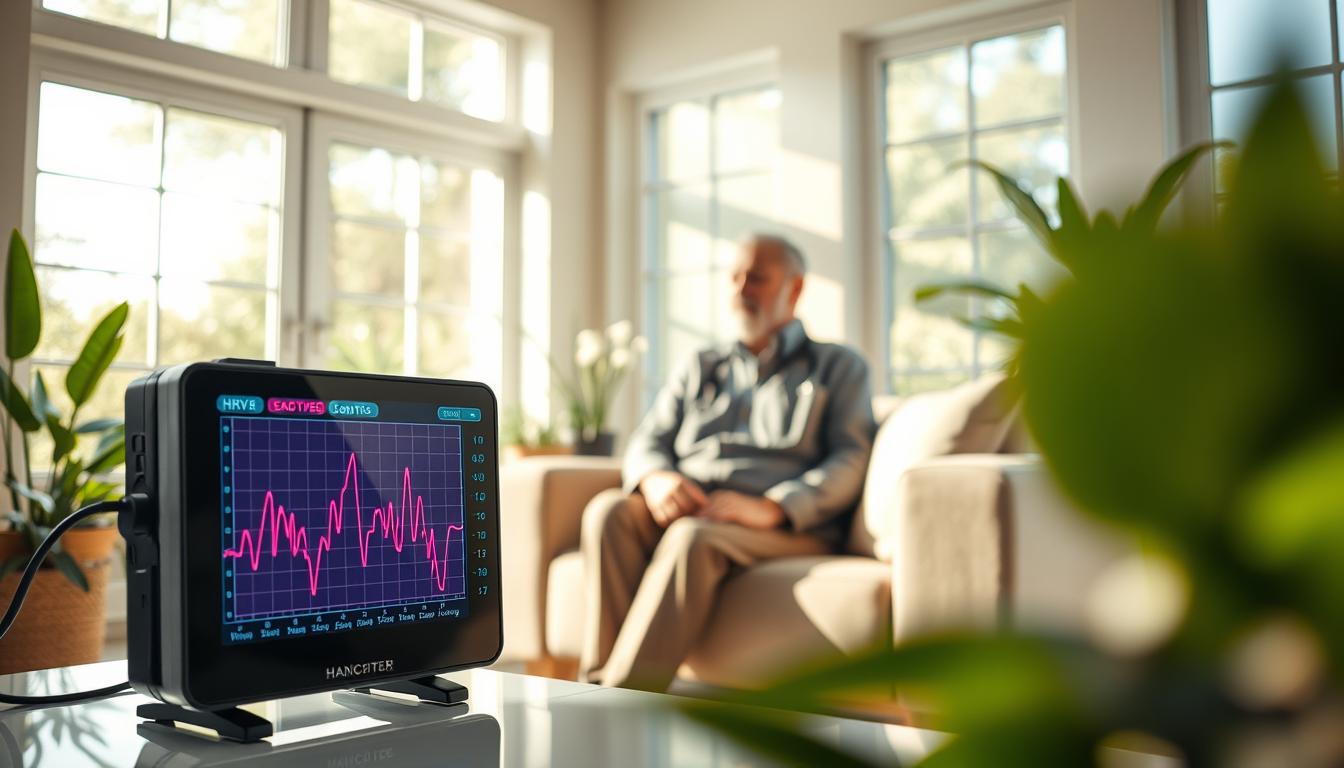
A noise monitoring system turns guesses into facts. It uses tools like sound level meters and decibel meters. These tools give you real-time sound data without recording voices.
With this data, you can find out where noise problems are. You can spot issues like loud HVAC units or busy streets. The system shows when and how long noise peaks last, helping you fix problems quickly.
- Metrics to track: average dBA levels over a day, peak dB events, and time-of-day patterns.
- Additional metrics: reverberation time and frequency bands that affect speech clarity.
- Devices you might use: portable sound level meter for spot checks, installed decibel meter for continuous logging.
Occupational therapists use in-home checks and sound data together. Sharing noise logs helps them suggest changes like better lighting or sound treatments. This data shows what might not be noticed in a short visit.
For seniors, watch for noise levels that make it hard to hear. Levels over 60 dBA for a long time can stress them out. Monitoring helps you find the right noise levels for comfort and clarity.
When setting up devices, think about privacy and practicality. Many systems only measure decibel levels, not voices. This keeps privacy safe while helping you make spaces quieter and more comfortable.
Benefits of Effective Noise Management
Using sound controls in homes and care settings brings clear benefits. Lower background noise helps seniors communicate better and engage more in social activities. This makes it easier for them to join conversations and feel less alone.
Less noise means less anxiety and fewer episodes of sensory overload. For those with cognitive impairment, quieter spaces and predictable sounds help reduce agitation and confusion. Adding acoustic panels, rugs, and quiet zones, along with occupational therapy, leads to calmer routines and steadier behavior.
- Fewer incidents of sensory overload, thanks to targeted sound treatment.
- Potentially lower fall risk as attention and spatial awareness improve.
- Better sleep quality when night-time noise drops and a noise monitoring system tracks trends.
Reducing noise can also save on health costs over time. Fewer hospital visits for falls or behavioral crises means less strain on caregivers. A quieter setting makes daily care easier, which may lower caregiver burnout and improve quality-of-life outcomes for the person you support.
Use objective tools to prove change. Noise pollution measurement and acoustic monitoring let you log decibel drops after adding panels or changing layouts. Data from a noise monitoring system helps justify investments and guides future upgrades so you get the most benefit for your budget.
Trackable metrics also show progress to family members and clinicians. When you combine assistive hearing devices with focused sound control, you reinforce hearing support and reduce isolation and depression risks. That blend of strategies delivers many of the core benefits of noise management.
Implementing Noise Level Monitoring at Home
Begin by doing a simple noise check at home. Use a portable sound level meter or a decibel meter app. Walk around your home at different times and log the noise levels. This helps you find areas that are too loud.
Start by gathering data and planning changes.
- Record noise levels at morning, afternoon, evening, and night. Note any loud peaks from appliances, traffic, or HVAC.
- Find the loudest areas in your home. This will help you focus on making those places quieter.
- If someone moves around a lot, consider using a noise dosimeter. It tracks personal exposure to noise.
Get an occupational therapist to help you. They will use your data to suggest changes. They might recommend better lighting, decluttering, or creating quiet zones. These changes can make your home more comfortable.
Use what you learn to make your home quieter and more comfortable.
- Move or insulate noisy appliances. Use rugs or curtains to reduce echoes.
- Add acoustic panels in echoey areas. Install visual alerts for those who are hard of hearing.
- Give amplified phones or assistive devices. Make sensory retreats quieter.
When choosing tools, compare consumer options to professional gear. Professional tools give exact numbers for fixing noise problems. But, apps are good for quick checks and ongoing monitoring. For caregivers, real-time monitoring systems send alerts to help you act fast.
Make a routine to keep your monitoring accurate. Check after repairs, renovations, or when you open windows in summer. Train caregivers to understand basic metrics and respond to alerts. This keeps your home responsive to noise changes.
Community Noise Level Monitoring Initiatives
Municipal environmental noise monitoring networks provide local data on traffic, construction, and nightlife noise. Cities like Seattle and Boston offer real-time dashboards with hourly readings. This helps you plan quieter trips to the store or park.
Neighborhood noise mapping projects show hotspots and quiet corridors. Community noise monitoring helps advocates push for changes. This is when maps and data reveal persistent problems near senior housing.
Public programs often pair a noise monitoring system with outreach from public health departments. You can work with transportation agencies to promote lower speed limits. This includes quieter pavement or scheduled construction hours to reduce peak noise.
Local occupational therapy teams and senior services use community data to design sensory-friendly public spaces. Libraries and community centers may adopt designated quiet hours. This is based on noise pollution measurement trends to make visits safer for seniors.
- Report noisy locations using community noise monitoring maps.
- Support installation of noise barriers or vegetative buffers near senior living sites.
- Advocate for quieter pavement and reduced overnight deliveries.
You or family members can join senior advocacy groups to expand environmental noise monitoring. This pushes for noise-inclusive policies. Working with local officials makes it easier to bring a noise monitoring system to your neighborhood. This protects seniors from harmful noise exposure.
Educating Families About Noise Sensitivity
Start by explaining how hearing loss and vision changes can make sounds seem louder. Also, touch, taste, and smell changes can make noises feel disorienting. Use simple examples to show why a busy kitchen or loud TV can stress seniors.
Teach caregivers how to monitor noise levels at home. Show them how to use a decibel meter and a noise dosimeter. Keep the lessons short and practical.
When talking to seniors and family, speak slowly and clearly. Reduce background noise and use visual cues. Practice active listening to make the senior feel safe and heard.
- Train families to identify common noise culprits: kitchen appliances, HVAC systems, televisions, and traffic.
- Offer quick fixes: close doors, lower TV volume, add soft furnishings, and rearrange noisy appliances away from resting areas.
- Show when to bring in professionals like audiologists and occupational therapists for deeper evaluation and home modification plans.
Recommend local resources for routine care. Connect families with audiology clinics for hearing assessments and hearing aid maintenance. Suggest occupational therapists who can design room layouts and sensory-friendly adjustments. Point out community programs that host sensory-friendly events for seniors.
Stress simple, consistent changes to cut sensory strain. Improve lighting and contrast, schedule quiet times, and set reminders for routine sensory screenings. Regular adjustments reduce falls, lower isolation risk, and help prevent depression by making daily life more comfortable.
Finish training with a short practice session using acoustic monitoring tools and a noise dosimeter. This way, families leave confident in spotting problems and making timely changes.
Creating a Quiet Environment
Make your home quieter with simple steps. Add rugs, heavy curtains, and soft furniture to reduce echo. Place acoustic panels in areas like hallways or rooms with high ceilings.
Seal gaps around windows and doors to block outside noise. Move loud appliances like washers and dryers to a utility room or closet. Use a bookshelf or cabinet against a thin wall to block sound from neighbors.
- Do loud chores like vacuuming and laundry when the senior is out or less sensitive.
- Make a quiet room for naps and rest with low light and minimal clutter.
- Use gentle white noise or soft music, but keep the volume low to avoid adding too much stimulation.
Combine acoustic changes with lighting and layout improvements to reduce overstimulation. Use high-contrast cues and clear zones for activities. This helps seniors with dementia or vision loss to find their way. Decluttering pathways also lowers stress and unexpected sound reflections.
Technology can also help without replacing physical changes. Install visual alert systems for doorbells and smoke alarms. Use amplified phones or personal amplifiers to support communication. Keep hearing aids clean and checked regularly to prevent missed sounds or discomfort.
Use a decibel meter or sound level meter to measure progress. Test ambient levels before and after making changes to confirm improvements. Aim for levels that support relaxed conversation and restful sleep. Then, retest occasionally to keep the environment quiet.
Utilizing Technology for Noise Management
You can create a useful toolkit for managing sound for seniors. Start with sound level meters and apps on your phone for quick checks. For precise measurements, add a calibrated sound level meter.
Personal protection tools are key. Use noise-canceling headphones and soft foam earplugs to block loud sounds. A portable noise dosimeter tracks your exposure over time. It shows when you need protection most and helps you share data with doctors.
Real-time noise monitoring alerts you instantly. Use a system that sends alerts when noise levels get too high. These alerts can be visual or notify caregivers, helping you act fast.
Make your home smart to control noise better. Set TVs to limit volume and schedule quiet times. Link sensors to doors or motion to alert you when noise increases.
Use non-audio sensors to respect privacy. These devices measure sound without recording voices. They’re great in places where people value their privacy.
Get a professional evaluation for formal needs. Use calibrated meters and talk to audiologists or occupational therapists. They can suggest tech like amplified phones or visual alerts based on your hearing and cognitive abilities.
- Consumer sound level meters for quick checks
- Smartphone decibel meter apps for everyday use
- Noise dosimeter for personal exposure tracking
- Real-time noise monitoring systems with alerts
- Building-integrated acoustic monitoring sensors for shared spaces
Combine personal tools with environment-level systems for a layered approach. The right mix depends on your needs, living situation, and advice from professionals. They can help you make sense of data and find practical solutions.
The Future of Noise Level Monitoring
Low-cost IoT acoustic sensors will soon be everywhere, even in homes and neighborhoods. They will make it easy to monitor noise levels, helping to keep senior housing quiet without a big cost.
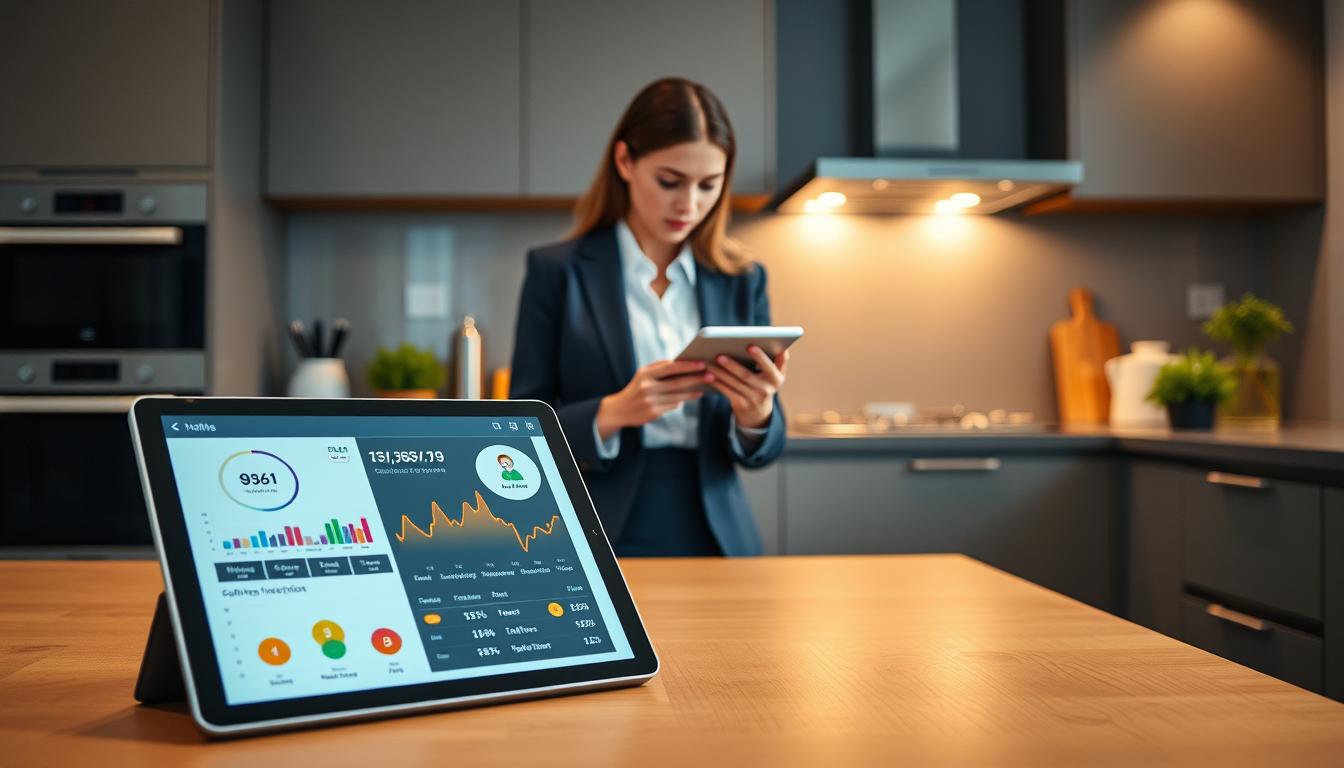
Real-time noise monitoring will lead to dashboards for caregivers and families. These dashboards will help plan quieter outings and adjust schedules based on noise levels.
Machine learning will predict when noise might cause problems like agitation or sleep issues. It will link noise exposure to health outcomes, helping doctors tailor care plans.
Municipal programs will start monitoring noise near hospitals and senior centers. Public dashboards will help enforce quiet zones and provide timely data.
Expect better standards for decibel meters and more privacy-focused monitoring. These changes will make noise monitoring common in senior care and homes, while keeping data safe.
Systems will connect audiologists, therapists, and more, sharing noise data. This will help teams work together to address noise issues with a deeper understanding.
There will be a closer link between noise sensors and smart homes. This will lead to smart solutions like sound masking and adjusting lights and HVAC when needed.
The future of noise monitoring will combine easy-to-use tech, predictive analytics, and teamwork. It will help reduce sensory overload for seniors and create calmer living spaces.
Real-Life Examples and Case Studies
Practical case studies teach us a lot about how noise monitoring helps seniors. In one case, an occupational therapist used a sound level meter. They measured the noise from hallway traffic and an old HVAC unit.
After adding acoustic panels, rugs, and changing appliance schedules, they took more measurements. These showed lower noise levels and less agitation during busy times.
At an assisted-living community, staff used a continuous noise monitoring system. They set quiet hours and trained staff on communication and reducing background noise. This led to fewer episodes of confusion and less social withdrawal among residents.
For a senior with hypersensitivity, a personal plan was created. It included noise-canceling headphones and a wearable dosimeter for outings. The dosimeter helped avoid crowded areas when noise was high.
They also scheduled quiet times and used visual cues for safe spaces. This resulted in lower decibel exposure and fewer anxiety episodes in public.
These examples show the importance of measurable outcomes. Teams saw lower decibel readings, fewer behavior incidents, better sleep, and more group activity participation after monitoring and adjustments.
- Document baseline readings before interventions.
- Repeat measurements after changes to confirm impact.
- Share acoustic monitoring results with caregivers and clinicians.
Keeping records of noise monitoring helps quantify benefits. It builds a case for wider adoption of noise management strategies. These real-life scenarios show how monitoring can lead to practical changes that improve daily comfort.
Conclusion: The Importance of Noise Awareness
Ambient noise can harm older adults by causing sensory overload. The first step to safer spaces is to be more aware of noise. Use tools like sound level meters and apps to measure noise levels.
This data helps you know where and when to make changes. It’s key to creating calmer environments.
Start by checking the noise at home. Then, talk to an audiologist or occupational therapist. They can help you make your space quieter.
Use devices like hearing aids and noise-canceling headphones to ease the strain. Community efforts and programs can also help make areas quieter.
Lowering ambient noise can greatly improve health and quality of life. It can reduce feelings of isolation and depression. It may even lower the risk of falls.
Use what you learn from monitoring to make your space better. Advocate for quieter places for seniors. Your efforts can make life better for those you care about.