
Staying hydrated is vital as you age. It helps prevent infections, dizziness, falls, and cognitive decline. It also lowers the risk of serious complications and hospital stays.
Age makes hydration harder. You might feel less thirsty or have slower kidney function. Medications and conditions like diabetes affect how you handle water.
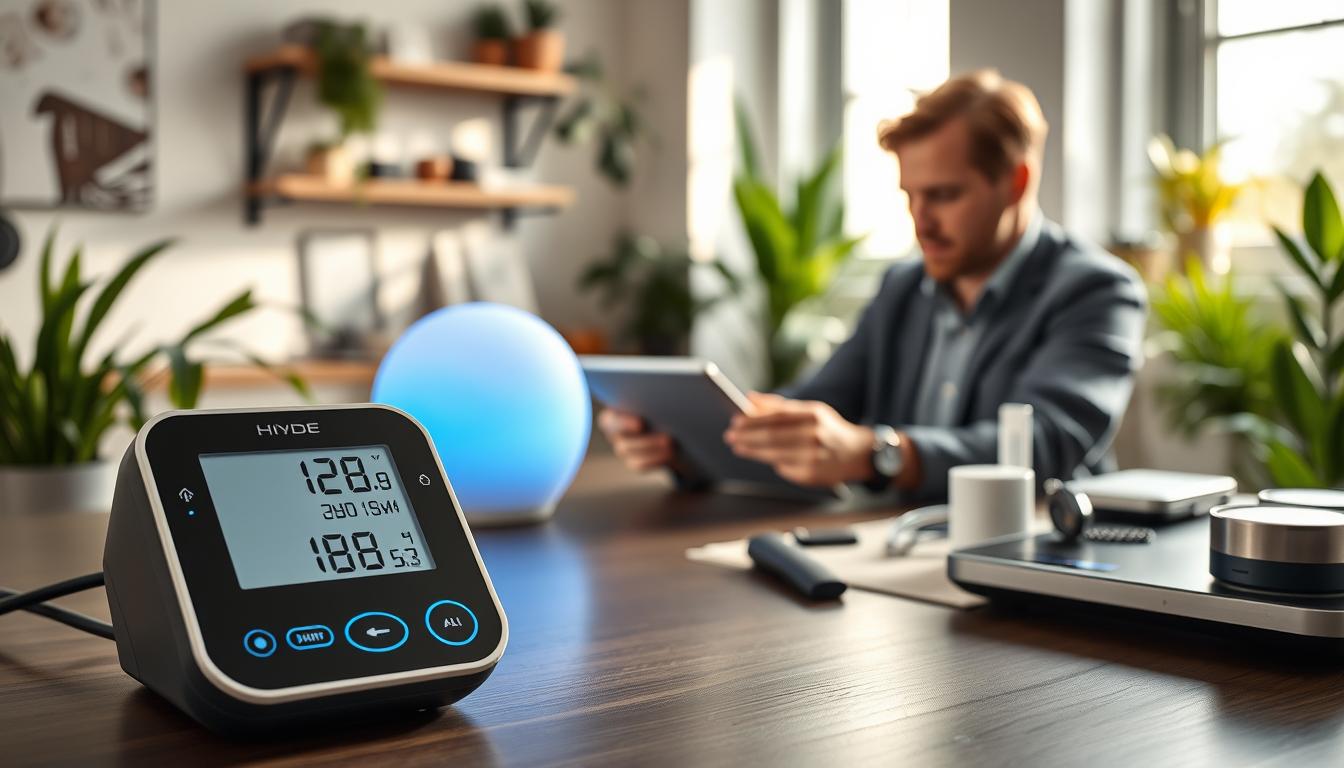
New devices and tools aim to help. Brands like WaterH offer smart bottles, sensors, and apps. They track intake, send reminders, and connect to health platforms.
These tools boost your independence and ease caregiver strain. They help detect dehydration early, support regular drinking, and offer personalized advice.
When picking tools, look for ease of use, clear displays, and long battery life. They should fit your routine, not complicate it.
This article shows how tech can help balance fluids, avoid complications, and keep you independent.
Understanding the Importance of Hydration for Seniors

Dehydration in older adults can be tricky to spot. You might see a dry mouth, chapped lips, or sunken eyes. Low urine output, tiredness, dizziness, or slow skin healing are also signs.
These symptoms can look like other health issues. That’s why using hydration tracking tech is key for catching dehydration early.
Even mild dehydration can make you feel slow and forgetful. You might struggle to focus or have memory problems. Low blood pressure and fatigue also increase the risk of falls, which is dangerous, whether you live alone or get care.
As you get older, your body doesn’t always tell you when it’s thirsty. Limited mobility or fear of bathroom trips can lead to not drinking enough. This is true whether you’re at home or in a care facility.
Many health problems and medicines change how much water your body needs. Kidney disease, diabetes, and heart issues affect fluid balance. Personalized hydration monitoring is helpful for managing fluid intake, whether you or a caregiver do it.
Groups like the British Dietetic Association and NHS say many older adults don’t get enough to drink. This leads to undernutrition and dehydration. These issues put a strain on healthcare and increase costs for preventable illnesses and hospital stays.
Staying hydrated is important for muscle health, body temperature, and joint care. It also helps with waste removal, sleep, mood, and thinking. Using hydration tracking tech and the best hydration trackers helps you stay on top of your hydration needs.
Overview of Hydration Tracking Technology

Hydration tracking tech comes in many forms to meet various needs. Wearables use movement and bio-signals to guess fluid levels. Smart water bottles and cups measure how much you drink. Mobile apps track your water intake, remind you, and connect with health apps.
Smart-home tech also helps by reminding you to drink through voice assistants and displays. Key features include automatic tracking, customizable alerts, and summaries for caregivers. Many systems also connect with electronic health records and third-party apps. AI helps by adjusting goals based on your activity and the temperature around you.
Real products show how these features work. WaterH tracks your water, sends reminders, and links with health apps. mCare’s Smart Cups and its Fluid and Nutrition feature help care-home staff monitor and report continuously. These tools reduce guesswork and spot early signs of low water intake.
When looking at top water tracking devices, check their accuracy and how easy they are to set up. Make sure they work well with other apps and systems. It’s also important to ensure your data is private and secure. Look for tools that make monitoring easier for caregivers and clinicians.
- Automatic intake measurement for precise logs
- Custom alerts to match daily routines
- Health-record integration for clinician access
- Environmental awareness to adjust targets
Choosing the best hydration solutions means finding a balance between technology and simplicity. Seniors benefit from devices that are reliable, private, and easy to use. Care teams get a clearer view of hydration patterns and can act quickly if water intake drops.
Wearable Technology for Hydration Tracking
Wearable hydration sensors track your heart rate, skin conductance, temperature, and motion. They use these signals to guess how hydrated you are and how active you’ve been. These sensors can also spot early signs of dehydration.
Brands like Fitbit and Garmin offer good options. But, look for devices that are accurate, comfortable, and have long battery life. These features are key for daily use.
Studies from the University of Melbourne show how wearables and AI can help. They can detect when someone with dementia is getting agitated. This can lead to early interventions.
Wearables can give caregivers a 5–15 minute warning before a problem happens. This time can be used to encourage drinking water or start calming activities. It’s more reliable than asking the person themselves.
Advanced hydration technology offers continuous monitoring and alerts. It can also send reminders or music therapy to help. This is great for those who are frail or have memory issues.
It’s important to choose devices that understand older bodies. Also, think about privacy and how data is shared. Make sure settings are clear and consent is given.
- Sensor accuracy on mature skin
- Comfort, size, and wearability
- Battery life for continuous monitoring
- Clear caregiver notifications and consent controls
When looking at hydration tracking tech, consider both its benefits and how it feels to use. The right wearable can help reduce risks, support caregivers, and make hydration easier for seniors.
Mobile Apps Designed for Hydration
Your phone can be a central spot for tracking your hydration. Apps log your drinks, set goals, and send reminders to drink regularly.
Many apps work with smart bottles and wearables. This means they can use sensor data and your manual entries for better tracking.
Care-home platforms like mCare have Fluid and Nutrition modules. They track what residents drink and eat in 24 hours. Staff get alerts and insights to catch any missed fluids.
Look for apps with trend graphs, shared accounts, and reports for clinical review. These features help you or a care team see patterns over time.
Usability is key for seniors. Choose apps with big fonts, clear menus, voice prompts, and simple setup. Pairing with devices makes using the app easy.
Apps can give advice based on your age, weight, and activity. This personalized advice helps match fluid goals to your needs.
Apps handling health info should follow HIPAA rules. They should also offer clear permission for family or care-team access. This keeps privacy safe while keeping caregivers informed.
- Logging: simple one-tap entries and bottle sync.
- Reminders: customizable alerts to reduce missed fluids.
- Caregiver access: shared accounts and historical reports.
- Security: permissions and HIPAA-aware practices.
Choosing the right hydration app and devices makes tracking easy. The best app lets you track, review, and adjust with caregiver or clinician help.
Smart Water Bottles: A Modern Solution
Smart water bottles like HidrateSpark and Thermos Smart Lid track your water intake. They send reminders and connect with apps you use. This makes it easy to stay hydrated without guessing.
When picking a smart water bottle for a senior, design is key. Look for shapes that are easy to hold, lightweight, and have clear indicators. Long battery life and tough materials save money and hassle.
Custom alerts help you set hydration goals based on your needs. You get reminders that help you stay on track without being too pushy. This makes it easier to form good habits.
Smart bottles can help seniors stay independent by reminding them to drink. They can also share data with caregivers to improve care plans. This is super useful for home or facility use.
- Practical features: easy pairing, simple cleaning, and app compatibility.
- Value considerations: weigh upfront cost against possible savings from avoiding dehydration care.
- Maintenance tips: check seals, follow cleaning instructions, and replace parts when needed.
Choosing the right smart water bottle is about finding a balance. It should be comfortable, easy to use, and connected. The right bottle can make staying hydrated a simple part of your daily routine.
Integration with Smart Home Systems
Smart home systems make tracking hydration easy. Voice assistants like Amazon Alexa and Google Assistant remind you to drink at set times. They also remind you when they notice you’ve been sitting for too long.
Connecting smart bottles, wearables, and cups gives you a single view of your hydration. This dashboard lets everyone in your household or care team see how much water you’ve had. It also shows trends, helping you stay on track.
For seniors who have trouble moving around, smart tech is a big help. Location sensors can remind you to drink when you go to the kitchen. Wearables can also alert you if you’re not moving as much, helping prevent dehydration.
- Use timed lighting cues to signal drinking windows.
- Enable caregiver notifications for missed goals.
- Pair motion sensors with smart speakers for hands-free prompts.
Care-home teams also benefit from smart tech. It integrates with electronic records like mCare. This makes it easier for staff to keep track of hydration levels and spot any issues early.
Choose solutions that protect your privacy and keep your data safe. It’s important for systems to work well together in the long run. Look for ones that support standard protocols and let you control who sees your hydration data.
Visual Reminders and Interactive Displays
Visual cues can help seniors drink water regularly without startling them. Smart water bottles with LEDs and room lighting offer gentle reminders. These are perfect for those who can’t hear or ignore sound alerts.
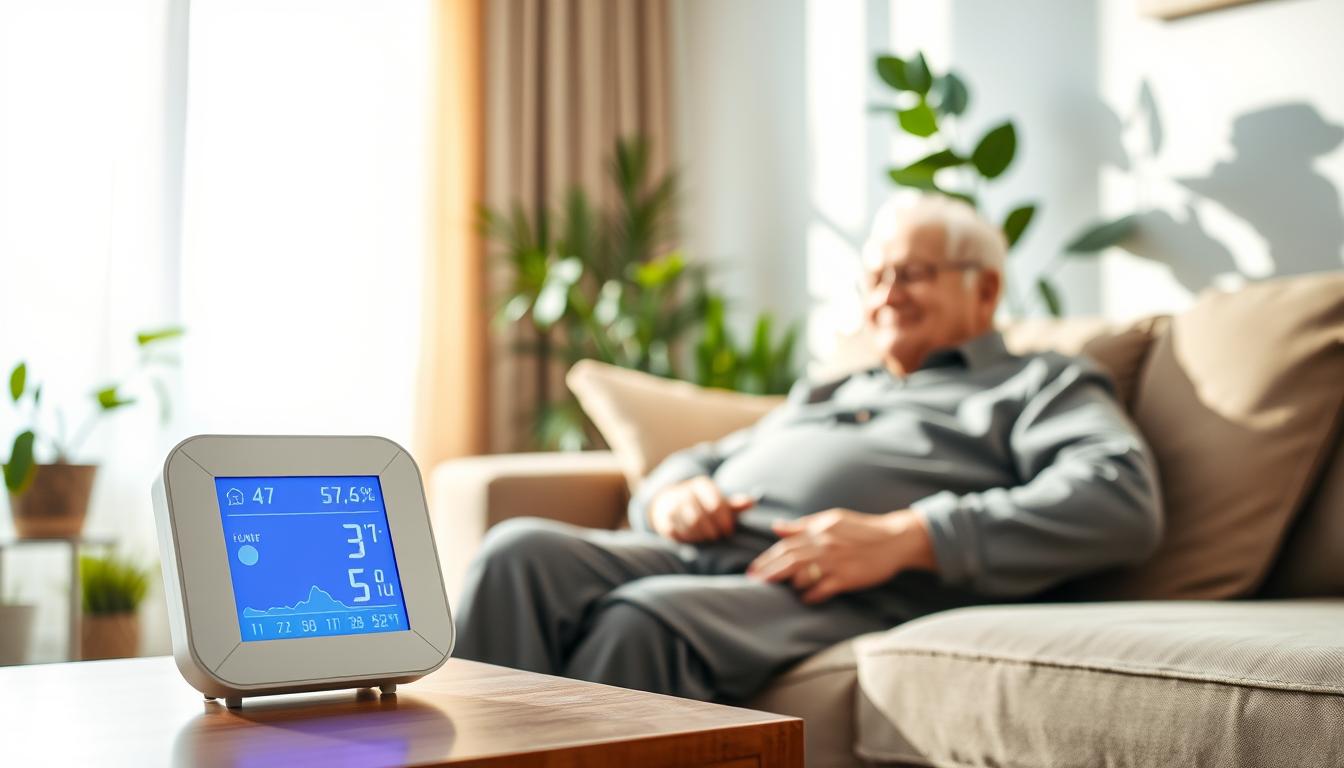
Interactive displays in kitchens or common areas make hydration visible. Tablet dashboards and smart-cup screens show daily totals and reminders. Seeing progress helps keep routines and informs caregivers easily.
Visual reminders work well with wearables and predictive systems. They prompt fluids before agitation grows. For those with cognitive issues, clear icons and simple progress bars help avoid confusion. Devices like mCare Smart Cups already use these methods.
Design choices are key for usability. Use high-contrast colors and large icons. Adjustable reminder intensity prevents overstimulation. Custom frequency settings balance prompts with quiet time.
- LED indicators on top water tracking devices that show goal progress
- Wall-mounted displays in care homes with daily intake summaries
- Tablet dashboards that integrate data from top water tracking devices and wearables
When choosing hydration tracking tools, look for clear visuals and customization. Also, ensure data sharing with caregivers. These features make tracking hydration tech more effective and less intrusive.
The Role of Telehealth in Hydration Management
You can link hydration tracking tech from smart bottles, wearables, and apps to telehealth platforms. This lets clinicians review your hydration in real-time. They can see 24-hour fluid summaries, alerts for low intake, and trend graphs.
Telehealth hydration monitoring helps avoid hospital trips by spotting dehydration early. If a clinician sees a trend going down, they can help remotely. They might suggest fluid goals or adjust medications without needing to see you in person.
It’s important to keep data safe. Telehealth integrations must follow HIPAA rules. They should also have clear workflows for clinicians to act on alerts. This way, family caregivers and nurses can see the same information safely.
Using AI with telehealth can help too. The platform can focus on patients at highest risk. Advanced hydration technology uses algorithms to quickly find urgent cases. This helps clinicians respond faster and improves care for seniors at home.
Tele-coaching is another great use of remote care. A dietitian or nurse can review your hydration data with you. They can then set goals that fit your needs, like if you have mobility issues or fear of incontinence.
- Key telehealth features: 24-hour summaries and trend graphs
- Alert types: low intake, missed goals, rapid declines
- Care options: remote intervention, tele-coaching, medication review
Custom Hydration Plans with AI
AI can help you create a hydration plan that fits your life. It looks at your age, medications, health history, activity, room temperature, and past water intake. This helps set goals and timing for drinking water that suits you.
Machine learning can spot dehydration risks early, even before symptoms appear. It’s like AI used in dementia care, which warned about agitation and falls up to 15 minutes early.
AI makes reminders more effective by timing them when you’re most likely to listen. It adjusts water amounts for health conditions and sends urgent alerts to doctors for those at high risk.
Good AI needs quality data and clear licensing. Issues in music therapy show the importance of avoiding legal problems. So, health apps must be careful too.
Systems must be clear and explainable to doctors. It’s key to test these systems in older adults. This ensures the advice is safe, sound, and easy to understand during care reviews.
- Benefits: tailored goals, better adherence, early risk detection using cutting-edge hydration solutions.
- Risks to manage: data quality, licensing, and model bias when using advanced hydration technology.
- Next steps: integrate clinician feedback and real-world testing to refine hydration tracking tech.
Community and Social Features in Hydration Tech
Social features in hydration tracking tech can really help. They let you share goals with family, friends, or care teams. This way, everyone can celebrate your progress together.
It’s also fun to have friendly reminders and group challenges. These make staying hydrated a fun activity to do with others.
In care homes, communal displays are a great idea. Staff can use leaderboards or team targets to make drinking water a game. This light competition can motivate residents to drink more.
Family dashboards are super helpful for caregivers. They can see how much water you’ve had and send alerts. This way, you can live more independently while your caregiver stays updated without always needing to visit.
These features also fit well with therapy programs. Studies show that group activities, like music therapy, can be very effective. Using smart hydration devices can make these programs even better by adding a social element.
But, it’s important to respect privacy and consent. Make sure people can choose what they share and who sees it. This is very important for those with cognitive impairments.
- Shared goals for families and care teams
- Group challenges using top water tracking devices
- Alerts and dashboards for remote oversight
- Privacy options and consent workflows
Using community-based solutions can save money. It helps prevent dehydration and reduces the need for more intensive care. By combining social support with smart hydration devices, you can improve health and save resources.
Overcoming Barriers to Technology Use
Introducing hydration tracking tech to seniors can be challenging. Issues include anxiety about new gadgets, limited dexterity, and vision changes. Mild cognitive impairment and cost concerns also play a role. Care staff may not have the time or training to support these devices.
Design is key to usability. Look for products with large fonts and single-button operations. Ergonomic bottle shapes and voice prompts make things easier. Simple onboarding in apps helps reduce confusion.
Affordability is important. Preventing dehydration can save on emergency visits and hospital stays. Care homes can manage costs by adopting integrated systems.
Training and clear protocols are essential for long-term use. Create routines for device maintenance and data review. Early engagement with staff and family increases adoption and accountability.
Data privacy and legal compliance are critical. Digital health solutions must follow HIPAA and related rules. Secure licensing and legal checks are necessary before deployment.
Transparency builds trust. Explain what data the device collects and how it is used. Clear policies and consent materials help seniors feel comfortable using these devices.
Choose technology that matches the user, not the other way around. Trial a few options and involve caregivers in testing. This approach increases adoption and benefits for residents.
Future Trends in Hydration Tracking Technology
Hydration tracking will evolve from simple timers to systems that learn your habits. These systems will use AI to adapt to your medication, activity, and weather. This change will help prevent dehydration in seniors more effectively.
Expect to see a mix of wearable data, smart bottles, and home sensors. This combination will give a detailed view of your fluid balance. Tools will alert you to risk patterns early and offer personalized reminders, like audio cues or visual signals.
Devices will work better with electronic care records and telehealth platforms. They will also use therapy-style interventions to encourage drinking. Startups should get ready for licensing and regulatory needs as AI models use third-party content.
Designs will focus more on seniors, with lighter bottles, easier grips, and unobtrusive wearables. They will also have longer battery life and be more affordable. These advancements will provide personalized data to support independence and prevent complications.