
This guide shows how to use technology to help seniors move more. It makes exercise safe, easy, and fun. You’ll learn about tools and devices that help build good habits.
It talks about tools like Apple Fitness+, Daily Burn, and Apple Watch Series. It also mentions LifePro FlexCycle, Sole ellipticals, and LifeSpan folding treadmills. Caregivers and services like Comfort Keepers in Rochester, NY can help too.
Low-impact movement is key for seniors. It helps keep muscles strong, bones healthy, and reduces falls. Physical therapist Lindy Royer, PT, NCPT, agrees.
This guide helps you stay motivated. It shows how to set goals, make a safe space, track progress, and celebrate wins.
Read each section to get the most out of this guide. It answers questions about staying motivated with wearables, classes, and simple gear.
Understanding Smart Exercise Motivation
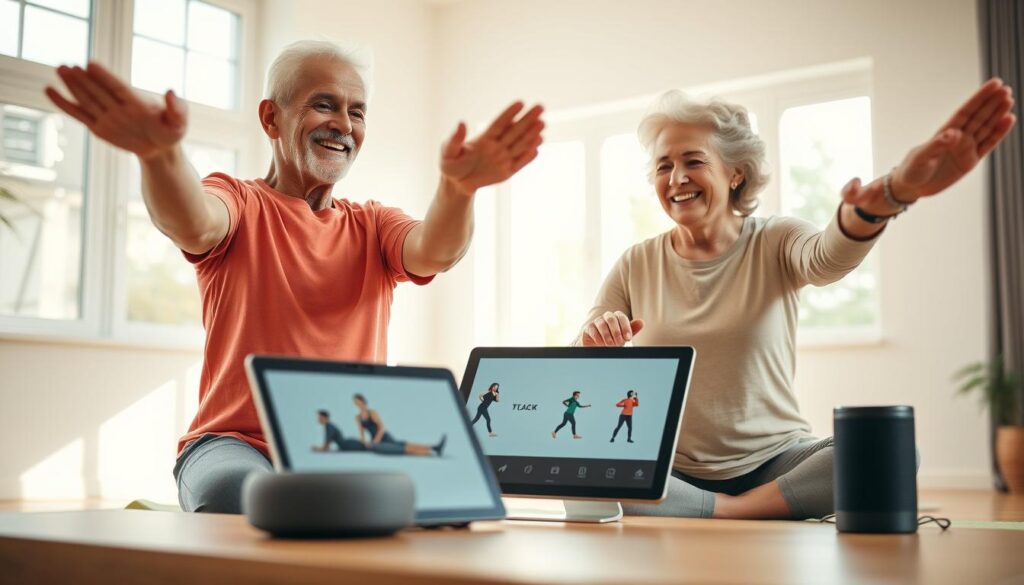
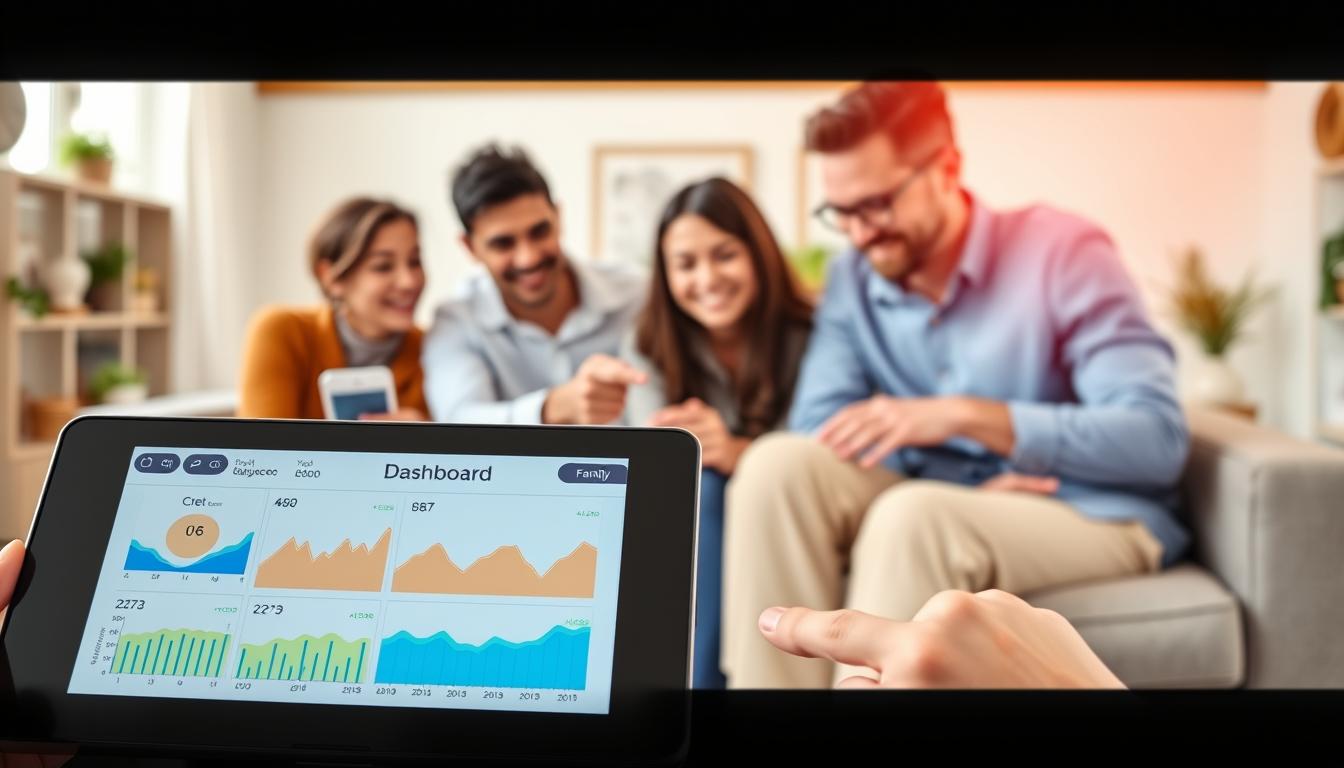
Smart exercise motivation uses wearables, streaming, apps, and connected equipment. These tools give you personalized prompts and timely feedback. They track your progress, send reminders, and make it easy to move at home.
Technology offers clear benefits. Streaming classes remove travel barriers and add variety. Apps and trackers show your progress, making you feel rewarded for small wins. This mix of convenience and feedback boosts your workout motivation.
Behavioral techniques are at the heart of many platforms. You’ll find goal-setting, micro-goals, and reminders that break big aims into daily steps. Gamification like streaks and badges makes practice fun. Social features let you join live classes or find virtual buddies who keep you accountable.
Safety is key when increasing workout motivation. Always talk with your doctor or a physical therapist before trying new routines. Look for programs that focus on joint-friendly options like chair exercises, resistance bands, and water therapy. Choose tech with guided modifications and safety alerts like fall detection.
- Set achievable micro-goals to build consistency.
- Use reminders and adaptive programming to match your pace.
- Pick social or gamified features to strengthen adherence.
Long-term movement has real outcomes for seniors. Small daily activity prevents decline, lifts mood, improves sleep, and supports independence. By following exercise motivation tips and using smart features, you can increase workout motivation and keep progressing safely.
Types of Technology for Seniors
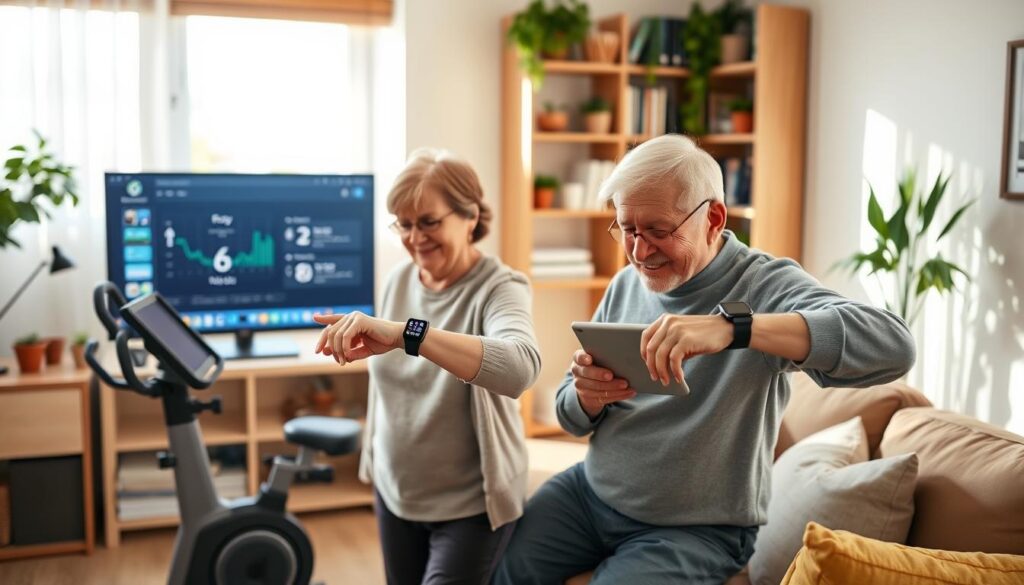
There are many useful technologies for seniors. Wearables like the Apple Watch Series offer heart rate monitoring and more. They also track sleep and detect falls. The watch comes in two sizes for better reading.
Fitness+ works with the watch for guided workouts. It tracks your progress, making exercise more motivating.
Streaming services like Daily Burn and Apple Fitness+ provide classes for seniors. They offer chair yoga and gentle HIIT. Free trials and filters help you find what suits you best.
These services add variety and community, boosting your motivation to exercise.
Connected machines bring safe, low-impact workouts to your home. The LifeSpan TR3000i treadmill has a low step and guardrails. It also has an emergency stop.
The Sole E35 elliptical has ergonomic pedals and connects to Bluetooth. The Stamina Conversion II rower/recumbent bike folds for easy storage. It links with the Muuv app for tracking.
These machines offer gentle, measurable workouts, helping you stay motivated.
Portable tools like resistance bands and stability balls are easy to use. They help with flexibility and balance. These tools are perfect for small spaces.
Under-desk and home gym options are great for small areas. The LifePro FlexCycle under-desk bike has resistance handles and an app. Total Gym systems offer 85+ exercises and fold for storage.
These setups encourage you to move during daily tasks, making exercise a part of your routine.
Apps and platforms like Muuv and Fitness+ integrate with wearables. They provide workout libraries and progress plans. Choose apps with easy menus and support for a smooth transition.
Combining these technologies creates a personalized fitness plan. Use smart exercise motivation and proven techniques to make exercise safe, varied, and fun for daily life.
Setting Realistic Movement Goals
Start with a goal that fits your daily life. Use SMART targets: Specific (walk 10 minutes), Measurable (steps or minutes), Achievable (start small), Relevant (improve balance), Time-bound (daily or weekly). This makes setting goals easier.
Break big goals into smaller ones you can do every day. Begin with 5–10 minutes of chair exercises, gentle stretching, or short walks. Add a minute or two each time to avoid injury and keep moving forward. Small victories boost your motivation and prevent burnout.
Technology can help you stay on track. Wearables can remind you to move and stand. Apps and streaming platforms offer plans and milestones. Use reminders and schedule workouts to build a routine and stay motivated.
Always check with your doctor before increasing intensity, if you have health issues. Devices with heart rate monitoring and Apple Watch fall detection are safe. Make sure your goals are safe and realistic.
- Choose metrics that matter: steps, active minutes, balance reps.
- Track progress weekly and adjust targets based on comfort and recovery.
- Celebrate small wins to increase exercise motivation tips and prevent plateaus.
Use feedback to adjust your goals. If a goal is too hard, make it easier. If it’s too easy, make it a bit harder. Clear goals and steady progress keep you motivated for the long term.
Creating a Supportive Environment
Clear clutter and check floors for non-slip surfaces to reduce fall risk. Place a stable chair and install handrails where you practice balance exercises. Comfort Keepers recommends supportive equipment and a safe exercise area to prevent accidents and help you stay motivated to exercise.
Invite a family member, friend, or caregiver to join sessions for accountability and social connection. In-home caregivers can assist with mobility, set up resistance bands or tablets, and offer encouragement during workouts. This kind of companion support ranks high among the best exercise motivation strategies.
Use simple tech to reduce barriers. Enable fall detection and SOS on a wearable and set up a tablet or smart TV with bookmarked, senior-friendly classes. Save favorite workouts and create one-tap access so you can access guided sessions without frustration.
Build a routine by linking movement to daily habits like after breakfast or before dinner. Treat sessions like appointments by using calendar reminders or streaming platform schedules. Reliable timing helps you stay motivated to exercise and makes short sessions part of your day.
Look for virtual classes with live chat or local senior-center hybrid programs to mix online and in-person options. Community connection improves adherence and counters isolation. Joining groups provides practical exercise motivation techniques and introduces the best exercise motivation strategies through friendly competition and shared goals.
- Home safety: non-slip mats, good lighting, clear pathways.
- Equipment: supportive chairs, light resistance bands, wearable fall detection.
- Routine tools: calendar reminders, bookmarked workouts, simple interfaces.
- Social supports: workout buddies, caregiver assistance, community classes.
Fun and Engaging Low-Impact Exercises
You can create a routine that’s easy on your joints but fun. Try chair-based workouts like seated marching, arm raises, and leg lifts. These moves help improve circulation and strengthen muscles. Comfort Keepers suggests them for those who find standing hard.
Water-based exercises are great if you have joint pain. Water walking, arm and leg lifts, and pool noodle exercises are supported by water. They help reduce pain and improve movement.
Balance drills can lower your risk of falling without being hard on your joints. Try heel-to-toe stands, side leg raises, and single-leg holds. Use a chair or wall for support. These exercises improve your balance and confidence.
- Low-impact cardio: under-desk cycling, recumbent hybrids, and folding treadmills are safe and easy to step into.
- Adjust resistance and duration to match your comfort and goals.
Staying strong and flexible is key for everyday tasks. Use resistance bands for strengthening knees and upper body. Light dumbbells, 5–15 lb, with neoprene coating are safe for seniors. A stability ball helps with core and coordination in seated or supported moves.
Gentle yoga or Pilates on a cushioned mat can improve mobility and breathing. Mix a few poses or short flows to stay flexible without getting too tired.
Use recovery tools to keep up with your routine. A soft foam roller can ease tight muscles. Diaphragmatic breathing and guided stretching through streaming apps help with relaxation and recovery. These tips can boost your motivation and help you stick to your exercise plan.
- Start with short sessions and celebrate small wins to increase workout motivation.
- Mix formats—chair, pool, balance, and low-impact cardio—to keep routines fun and engaging low-impact exercises.
- Use a consistent schedule and social check-ins for steady motivation for working out.
Use these ideas to create a weekly plan that suits your pace. Small, varied sessions reduce risk and make it easier to stay motivated over time.
Personalizing Your Exercise Routine
First, check your abilities and what you like. Think about any health issues, pain, and fun activities like swimming or dance. This helps make your workout fit your life and keep you interested.
Use tech to make plans just for you. Streaming services and apps offer sessions based on your fitness level. Wearables track your heart rate and activity, helping you adjust your workout.
Find easy alternatives if standing or bending is tough. Try chair yoga, water therapy, or resistance bands. Choose tools that are easy to use and safe for you.
- Plan gradual increases in time, resistance, or complexity.
- Select equipment with multiple levels, like ellipticals or compact bikes, to scale workouts safely.
- Use clear instructional apps such as Muuv or companion DVDs when learning new moves.
Work with a physical therapist or certified trainer for older adults. Caregivers can help match exercises with your health plan. This adds structure and support to your workout routine.
Think about space, budget, and setup. Choose compact options like resistance bands or foldable treadmills. Pick equipment with easy-to-follow instructions and app guidance.
Stay motivated by celebrating small victories. Use wearables or apps to track your progress. Set short-term goals that help you stay motivated for the long run.
Always be ready to adjust. Check what works every few weeks and make changes. Personalizing your workout is a journey that uses data, expert advice, and practical choices to keep you engaged.
Overcoming Psychological Barriers
Fear of injury, low confidence, and low energy can stop you. Try water therapy and chair exercises to feel safe. Apple Watch’s fall detection feature can also help.
Start with small, achievable goals. Use apps or a log to track your progress. Celebrating your wins will keep you motivated.
Make exercise enjoyable. Choose activities from streaming services that you like. Listen to music or audiobooks while you work out. Having a friend join you can also help.
Don’t let tech scare you. Pick easy-to-use platforms with good support. Ask for help setting up devices. Start with simple tools like resistance bands before moving to wearables.
Keep going with practical tips. Turn your routine into a game with streaks and badges. Join virtual classes for support. Schedule your workouts to stay on track.
- Choose low-impact activities to lower fear.
- Set micro-goals and track small wins.
- Mix enjoyable content to avoid boredom.
- Get simple tech help and start slow.
- Use gamification and group classes for consistency.
Keeping Track of Health Metrics
It’s important to keep an eye on a few key health metrics. You should track steps, active minutes, heart rate, sleep, and blood oxygen. Also, add notes on pain, energy, and mood to make sure your numbers reflect how you’re feeling.
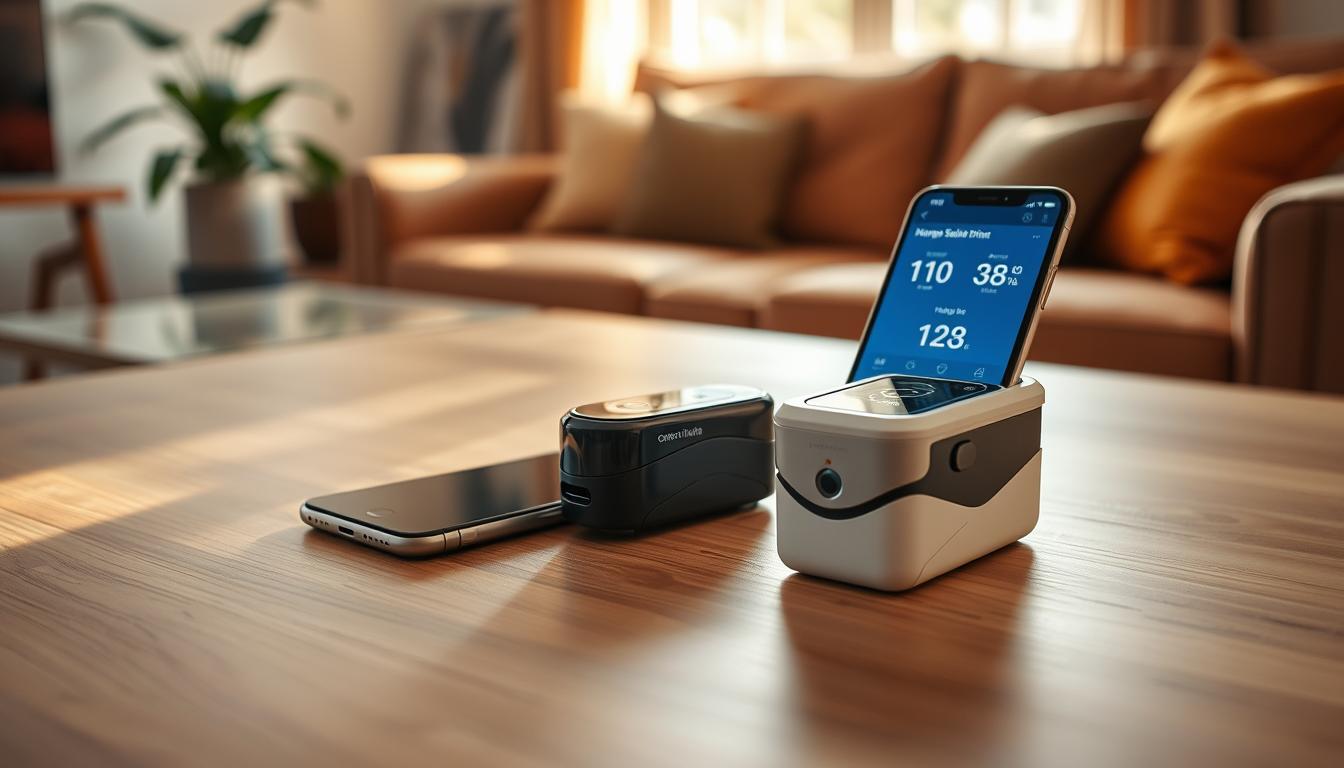
Use devices you’re familiar with, like the Apple Watch Series. It can monitor ECG, SpO2, falls, and sleep. Treadmill and elliptical consoles also track steps and heart rate. Apps like FlexCycle and Muuv can connect with these devices to give you a complete picture.
Keep things simple. Focus on two or three metrics that really matter to you. Use apps, a printed log, or a weekly note to track your progress.
- Review trends weekly to spot progress or fatigue.
- Set data-driven targets, for example increase daily steps by 10% or add two balance sessions per week.
- Use alerts for hydration, movement breaks, and bedtime to support recovery.
Let metrics motivate you to stay consistent. Small victories can boost your motivation for fitness goals and workouts over time.
Safety is key. Features like fall detection and SOS can get you help when needed. Share your data with your doctor or physical therapist to ensure your exercise is safe and effective.
Protect your privacy by choosing devices with clear policies. Control who sees your data and consider sharing with a trusted family member or caregiver for support.
Celebrating Achievements and Milestones
Seeing progress helps keep you motivated to exercise. Small wins, like longer walks or more steps, boost your confidence. Use app badges or screenshots to track your progress.
Choose rewards that mean something to you. A new Fitbit band or a massage can be great motivators. Having a friend or family member celebrate with you makes it even more special.
Technology can help you celebrate too. Wearables and apps give you streaks and badges. Share these with loved ones or save them as a photo timeline. These visual reminders help turn short-term effort into lasting habits.
After reaching a milestone, set a new goal. Mix up your goals to keep things interesting. Check in with your healthcare provider or trainer to ensure you’re staying safe and enjoying the journey.