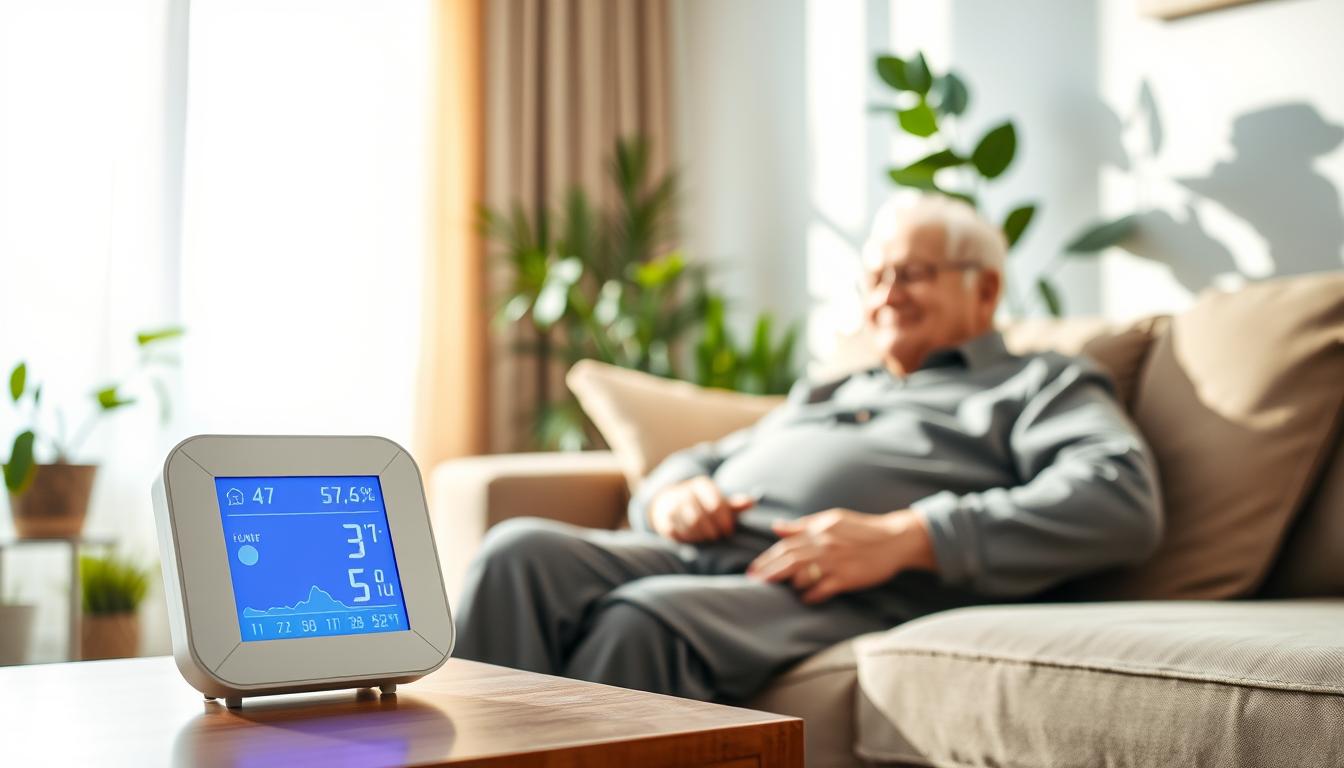
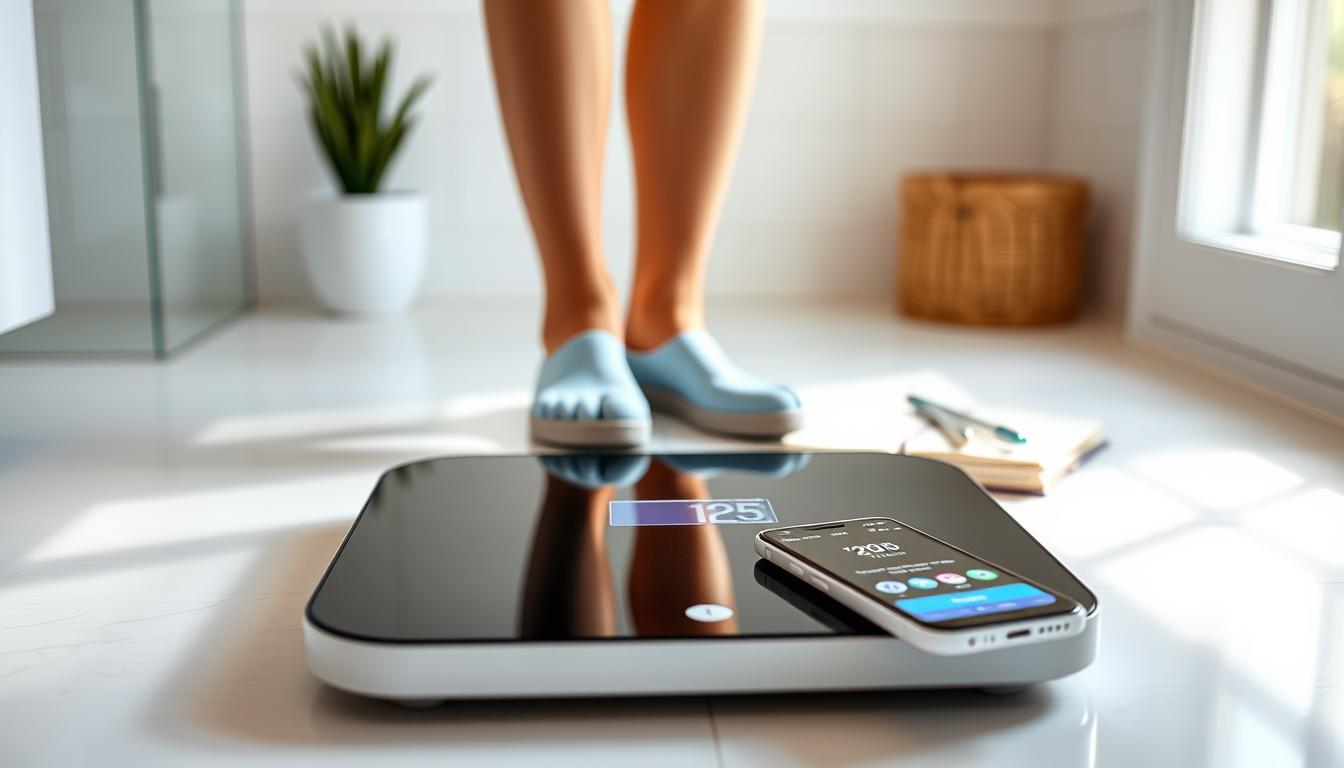
Managing chronic conditions needs clear, ongoing data. Smart scales for health are digital scales that track your weight automatically. They send your weight to apps and healthcare platforms via Wi-Fi or Bluetooth. This makes logging your weight easier for your healthcare team.
In skilled nursing and post-acute care, tracking weight is now a key part of care. Platforms like CCN Health use scales from BodyTrace, Withings, and Tenovi. These scales send daily weight data without needing to press any buttons. This makes it simple to get consistent data from many patients.
Healthcare teams see big benefits from using smart scales. Some CCM programs see more money each month from billing. They also see a 25% drop in readmissions in some cases. Plus, the systems work almost all the time when linked to electronic health records.
This article will cover how smart scales work and how to use them with health apps and EHRs. You’ll learn how to pick the right scale and set goals. It also talks about how smart scales help with preventative care, real user experiences, and future trends in smart scale technology.
Understanding Smart Scales and Their Benefits
A smart scale is a digital device that measures your body weight and body composition. It sends your readings to your phone or a clinical platform using Bluetooth, Wi‑Fi, or cellular connections. This way, you don’t have to log your health data manually.
Common features you will see include:
- Automatic data upload to apps and electronic health records.
- Multiuser recognition so household members keep separate profiles.
- Body composition analysis for metrics like body fat and muscle mass.
- Trend visualization inside companion apps for quick review.
- Integration with remote patient monitoring (RPM) and chronic care management (CCM) platforms.
For patients, smart scales offer continuous, objective data for early intervention. You get reminders, goal-setting tools, and clear trend charts. These improve your daily adherence.
For providers, the data reduces manual entry errors. It also provides time-stamped daily weights for CCM billing.
Real-world integration is growing. Skilled nursing facilities and physician practices use smart scales via CCN Health. This connects PointClickCare and August Health EHRs. It makes clinical follow-up smoother and faster.
Smart scale accuracy is key for clinical decisions. Your choice of device and consistent measurement conditions improve reliability. Choose a trusted bluetooth weight scale and follow consistent habits for the most useful readings.
How Smart Scales Work
When you step on a smart scale, sensors quickly record your weight and body composition. This includes body fat and water percentage. These readings come from precision sensors inside the scale.
After measuring, the scale connects to your phone or a cloud platform. A bluetooth weight scale pairs directly with a smartphone app. Wifi smart scales send data over your home network. Some models, like BodyTrace, Withings, and Tenovi, use cellular or Wi‑Fi for direct uploads.
Your data goes through platforms that standardize and route it. Platforms like CCN Health act as hubs. They receive uploads, translate formats, and sync weight data with EHRs and physician systems.
These integrations let clinicians see daily weight, changes, and averages. They also see fluid retention indicators. Trend graphs and summary metrics help spot gradual shifts that need attention.
Alerting rules send notifications for certain thresholds. If a patient shows rapid weight gain or loss, the platform alerts clinicians. It also automates documentation and updates care plans.
For remote patient monitoring, TeleRPM and similar vendors offer bluetooth weight scale options. You can choose a device based on your clinic’s needs, app ecosystem, and clinical reporting requirements.
Overall, wifi smart scales and bluetooth weight scale devices provide continuous data. This data helps teams track trends, generate alerts, and document care more efficiently. They are key in population health and chronic care management.
The Importance of Tracking Weight Trends
Weight is a key indicator for managing chronic conditions. Small daily weight gains can mean fluid retention in heart failure. On the other hand, sudden weight loss might signal diabetes or malnutrition.
Tracking weight over time helps in monitoring metabolic health. It allows you and your healthcare team to catch issues early. This way, you can prevent symptoms from getting worse.
Remote monitoring changes how doctors react to early signs. Smart scales for health send daily updates. This lets nurses and doctors act quickly, adjusting treatments as needed.
Using smart scales can lead to fewer hospital visits. Programs that monitor weight closely report better outcomes. They also meet quality standards set by CMS.
Keeping detailed records is important for medical work and billing. Daily weight logs support billing for chronic care management. They show that you’re actively monitoring your health.
Look at averages and trends to guide your actions. Weekly and monthly averages help spot important changes. They also show fluid retention that might not be seen in weight alone.
Body composition analysis adds more insight when combined with weight tracking. It helps distinguish between muscle and fat loss. It also catches edema that weight alone might miss.
Accuracy in smart scales is critical for trust and making decisions. High-quality devices reduce measurement errors. This lets you see real changes in your health.
Integrating Smart Scales with Health Apps
You can pair a smart scale with apps from brands like Withings or BodyTrace. They capture your weight automatically. Many wifi smart scales sync over your home network. A bluetooth weight scale links directly to your phone for local uploads.
Remote patient monitoring platforms collect weight, blood pressure, and glucose. TeleRPM’s Bluetooth RPM scale uploads readings to a clinician portal. There, teams can spot trends and get alerts for abnormal readings.
Clinical integration needs data to flow both ways to avoid manual entry. CCN Health shows how PointClickCare, CCN Health, and August Health sync data through a hub model. They connect resident demographics, daily weights, alerts, care plans, and billing records.
Apps offer features that matter to you. They include clear trend visualization, personalized insights, and reminders to weigh in. They also have multiuser profiles and easy report sharing with care teams. These features make smart scales for health useful in daily care and care plan adjustments.
- Workflow: automatic upload → clinician review → alert → care action.
- Data flow: device → app → RPM platform → EHR or billing system.
- User tools: graphs, exportable reports, weekly summaries, sharing options.
Security is key when devices move health data. Make sure platforms comply with HIPAA. They should use secure transmission for Wi‑Fi, Bluetooth, or cellular transfers. Ask vendors about encryption and access controls before using wifi smart scales or a bluetooth weight scale in a care setting.
When choosing a smart scale with app support, look for proven EHR integrations. Check for clear alert rules and simple enrollment for patients and staff. This reduces manual work and keeps clinical teams focused on care, not paperwork.
Choosing the Right Smart Scale for You
First, focus on finding a smart scale that’s accurate and consistent. Look for devices that have been clinically validated. This is important if you’re tracking conditions like heart failure or weight loss.
Think about what connectivity works best for you. A Bluetooth weight scale connects to your phone. It sends your readings to the cloud through your phone. On the other hand, Wi-Fi and cellular models upload directly without needing a phone. This can be easier for older adults.
- Bluetooth weight scale: good when you use a phone and want low device cost.
- Wi‑Fi scale: best for home networks and continuous uploads.
- Cellular scale: ideal for patients without smartphones or for seamless RPM.
Make sure the scale works with your apps and clinical platforms. If you’re in a chronic care program, check if the scale works with RPM vendors and EHR systems like PointClickCare, TeleRPM, or CCN Health. This ensures your data flows into clinical records.
Choose features that match your goals. If you want to track muscle and fat, pick a scale with body composition metrics. If several family members will use it, choose a multiuser scale. Make sure the scale’s benefits fit your care plan.
Look into billing and documentation support. Scales that provide objective, time-stamped readings help with CCM billing. Check if the monitoring service sends documentation through your doctor’s office for reimbursement.
Check the vendor’s reliability and how long it takes to set up. Look for platforms with strong uptime and clear support. Many skilled nursing facilities report being up and running in four to six weeks with clear timelines.
Make a shortlist and test one if you can. Pay attention to how consistent the readings are, how easy it is to sync, and how well it integrates with your clinician’s platform. This hands-on test helps you find the right balance of accuracy, connectivity, and benefits.
Setting Goals and Using Smart Scales Effectively
Begin with a specific, achievable goal and connect it to your daily habits. Start by recording your baseline for a week before setting goals. Aim for gradual, small changes to track your progress easily.
Stick to a regular weighing schedule. Weigh yourself at the same time each day, best in the morning after waking up and before eating. Wear the same clothes and place the scale on a hard, flat surface to get accurate readings. Always use the same device to avoid differences.
- Use app goal setting and reminders to keep you on track.
- Check trend feedback instead of daily changes to stay focused.
- Log notes about illness, travel, or medication that may affect readings.
Be careful when interpreting body composition metrics. If your scale shows body fat, muscle mass, or resting metabolic estimates, see them as guides. Focus more on weight trends and changes over time for better health tracking.
Use behavior-change tools in RPM and telehealth apps. A smart scale with app can send reminders, track your progress, and show trends to motivate you. TeleRPM platforms offer personalized alerts and summaries for timely clinician review or patient action.
Share your data with your healthcare team for better care coordination. Export or give them access to see your trends. This helps doctors and nurses adjust your treatment plan based on your data.
Set up multiuser and caregiver workflows when needed. Choose smart scales that automatically recognize users and support multiple profiles for easier household monitoring. Caregivers and clinicians can use RPM dashboards to coordinate care for older adults and skilled nursing residents.
Review your trends weekly, not hourly. Look for steady patterns in weight and metabolic health tracking that show real progress. Use the connected scale for fitness as part of a broader plan that includes diet, activity, and clinician advice.
The Role of Smart Scales in Preventative Care
Smart scales help catch small weight changes early. They show trends like heart failure or sudden weight loss in older adults. This lets doctors make quick changes or start new treatments.
Staff at nursing homes and hospitals can use this data to help everyone. It helps them meet quality standards and improve care. Facilities that use these scales see better care plans and fewer hospital visits.
Chronic care management gets a boost with smart scales. They send data to systems like PointClickCare and August Health. This makes it easier to bill for care and keep records up to date.
Smart scales save money and make care smoother. They help avoid expensive hospital stays by treating patients sooner. They also make it easier for doctors and facilities to stay on the same page.
- Early detection: continuous weight data yields faster clinical response.
- Quality metrics: aggregated results support facility performance goals.
- Billing support: integrated feeds create audit‑ready chronic care documentation.
- Cost control: timely interventions lower hospitalization rates.
Adding a connected scale to care plans makes prevention measurable. It gives doctors the data they need to improve patient care. This aligns daily checks with big health goals.
User Experience and Testimonials
Many patients share how smart scales make a difference in their daily lives. They step on the scale, and the data uploads automatically. The app then shows them their progress over time.
Clinicians also see the benefits. They say smart scales help them keep accurate records. This makes it easier to manage chronic conditions and helps with billing.
- Reported patient wins: instant uploads, personalized app feedback, clinician alerts when weight changes are abnormal.
- Clinician and facility wins: automated entries into EHRs, easier CCM documentation, consistent timestamps for visits.
- Platform outcomes: daily weight capture, real-time alerts, automated clinical notes tied to billing codes.
CCN Health users see daily weight tracking and alerts. This helps with billing for chronic care management. They report getting about $62 a month for CPT 99490 and around $83 a month for CPT 99491.
Think about the type of device you choose. A bluetooth weight scale needs a smartphone to work. But, cellular and Wi-Fi models from BodyTrace and Withings work without a phone.
Getting started is fast in skilled nursing settings. Most places are up and running in four to six weeks. Good support and customizable alerts help everyone get on board.
When picking a smart scale, think about how it fits into your routine. Consider how it works with your devices and how it affects your work. These tips help you find the right scale for your needs.
Future Trends in Smart Scale Technology
Smart scales for health will soon do more than just track your weight. They will use AI and predictive analytics to analyze your heart rate and body composition. This will help predict health risks and offer tailored advice for managing chronic conditions.
These scales will also connect better with your electronic health records. This connection will make it easier for healthcare providers to access and share your data. When choosing a scale, look for one that easily integrates with your health records and supports billing and documentation.
Expect to see more scales that don’t need a smartphone to work. These scales will be easier to use in nursing homes and at home. They will also improve the accuracy of weight tracking in different settings.
Future scales will track more than just weight. They will combine weight with other health metrics to give a fuller picture of your health. When picking a scale, focus on its accuracy, how well it connects with your health records, and the support it offers for managing chronic conditions.