Clear, timely warnings are key to staying safe at home. Modern smoke and CO monitoring technology helps those who are deaf or hard of hearing. This article explores how home safety systems use visual, tactile, and interconnected alerts.
These alerts give you time to get out safely during fires or carbon monoxide leaks.
Companies like First Alert offer a variety of solutions. They range from the First Alert SM310 and CO710 traveling CO alarm to hardwired models and smart options like the First Alert SC5. The First Alert Hardwired Hearing Impaired LED Strobe Light and similar devices work with smoke detectors and carbon monoxide alarms.
They add a bright, clear signal when an alarm goes off.
These devices meet important safety standards, including UL and ADA guidelines. Newer products, like the SC5, follow the latest UL 217 editions. Many systems also support hardwired or wireless interconnect, so every alarm alerts the whole home.
The risks are serious: the U.S. Fire Administration says three out of five home fire deaths happen in homes without working smoke detectors. JAMA data show about 450 CO deaths per year in the U.S. By the end of this article, you’ll know how smoke detectors and carbon monoxide alarms help the hearing impaired. You’ll also learn how to choose and install the right devices and where to find resources and support.
Understanding Smoke and CO Risks in Your Home

Smoke from fires can burn you and harm your lungs in minutes. Smoke detectors are key to warning you of fires. They come in two types: ionization and photoelectric. Both are important for keeping you safe.
Carbon monoxide is a silent killer that you can’t smell or see. It comes from things like furnaces and gas stoves. Sadly, it causes about 450 deaths a year in the U.S., according to First Alert and the Journal of the American Medical Association.
There are different ways to detect carbon monoxide. Alarms use special sensors to find it, even in small amounts. They should be near fuel-burning appliances and bedrooms. Some devices can detect both smoke and CO, giving you extra protection.
Working smoke detectors and CO alarms can save lives. Many deaths happen because detectors are missing or not working. Having a system that alerts everyone in the house can help you get help fast.
- Know common CO sources: furnaces, gas stoves, water heaters, generators, attached garages.
- Use both ionization and photoelectric smoke detectors for broad coverage.
- Install carbon monoxide alarms on every level and outside sleeping areas.
- Consider combined devices and interconnected safety monitoring to ensure rapid alerts.
How Traditional Alarms Fall Short for the Hearing Impaired

Traditional smoke detectors and other fire safety devices mainly use loud beeps and tones. These sounds might not reach you if you’re hard of hearing, asleep, or in another room. The distance and your hearing loss make these alerts unreliable for many homes.
Audibility drops fast with walls, floors, or background noise. A smoke detector on the first floor might not wake someone in a bedroom upstairs. This gap is a real risk when emergency alerts need to reach everyone in time.
Early smoke alarms sometimes had small strobes, but they didn’t meet today’s standards. Now, manufacturers like First Alert offer units and strobe modules that meet UL and ADA requirements. These updates show the push to make safety monitoring accessible for everyone.
Layered protection helps fill these gaps. A hearing impaired strobe light gives strong visual cues. Vibrating bed shakers add a tactile warning for sleeping people. Loud alarms are also key for those who can hear. Together, these methods create a better safety plan.
When picking fire safety devices, check if they work with your current system. Look for UL-listed, ADA-compliant options. Choose setups that include visual, tactile, and audible alerts. This way, every household member can react quickly.
The Importance of Innovative Alerts for the Hearing Impaired
Alerts must work in all situations. Visual strobes flash brightly, seen from across the room. Vibrating bed shakers wake those who can’t hear an alarm. Smart notifications send alerts to phones or caregivers when you’re away.
First Alert’s Hearing Impaired Strobe Alarm flashes intensely to grab your attention. It connects to smoke and CO alarms and shows smoke and CO differences. It meets UL and ADA standards, ensuring it’s reliable and legal for homes.
Hardwired strobe units stay powered and sync with other alarms. If one alarm goes off, all strobes flash together. This synchronized alert makes everyone see the danger at once.
Using different types of alerts covers more needs. Fire safety devices with various alerts reduce the risk of missing warnings. They offer extra protection for those who sleep, have mobility issues, or are away from home.
- Visual strobes: immediate, room-wide visibility for smoke and CO monitoring.
- Vibratory units: bed shakers that wake residents during the night.
- Connected home devices: push notifications and remote emergency alerts to phones and caregivers.
- Hardwired synchronization: constant power and unified signaling across fire safety devices.
Choosing products that meet UL and ADA standards is key. Look for alarms from trusted brands with clear details on strobe intensity, syncing, and app use.
Types of Modern Smoke and CO Monitoring Systems
There are many systems to choose from to make your home safer. Hardwired smoke and CO alarms connect to your home’s electrical system. They often work together, so if one alarm goes off, all will sound and flash lights for everyone to see.
Battery-operated alarms are easy to place and install. Some models, like those from First Alert, use long-life batteries that last 10 years. This makes them great for places where wiring is hard.
Plug-in CO alarms are perfect for temporary rooms or when you’re traveling. They plug into an outlet and watch over one area without needing to be hardwired.
Combination and dual-sensing alarms can detect more dangers. Dual-sensing smoke detectors find both slow smoldering and fast fires. Combination smoke and CO detectors save space and make upkeep easier by doing both jobs in one.
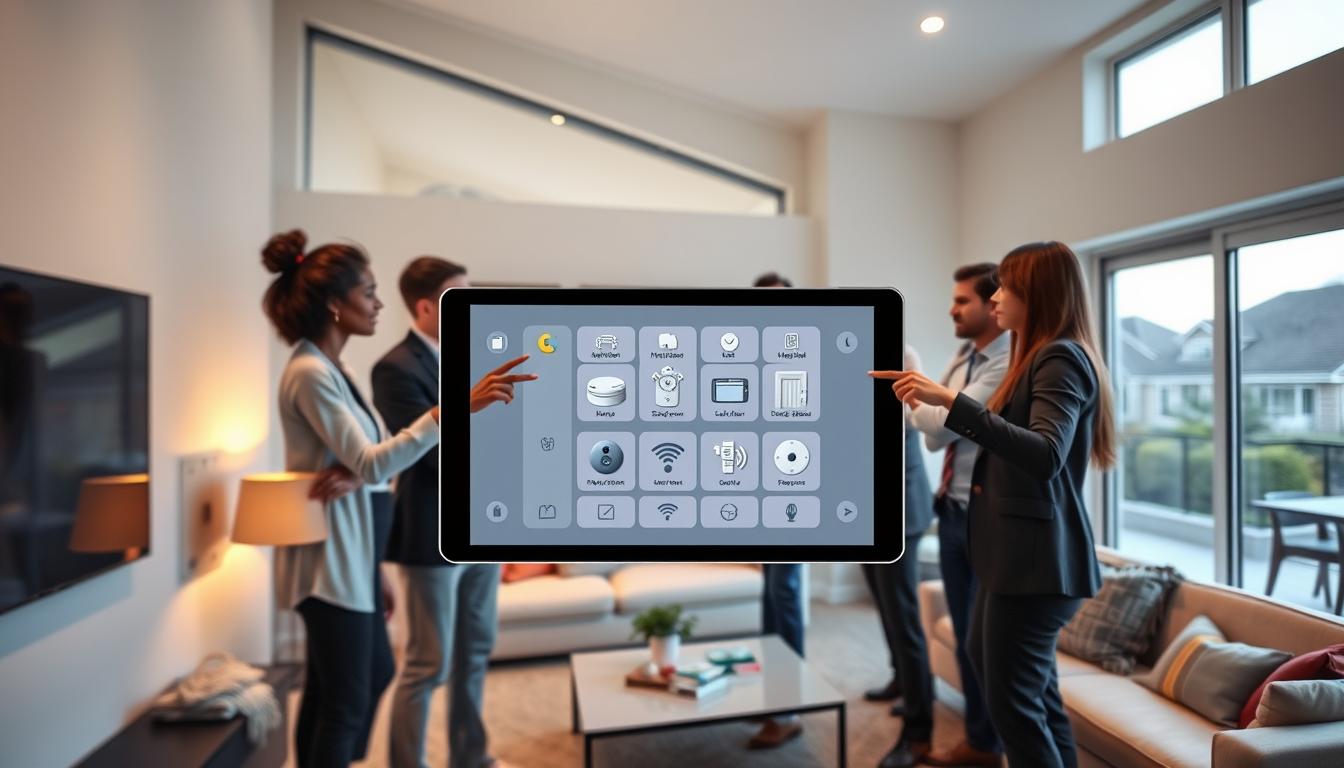
Smart alarms connect to your home network. They send alerts to your phone through apps. For example, the First Alert SC5 works with home hubs, so you get alerts even when you’re not home.
Devices for people with hearing impairments offer visual and tactile signals. They use strobe lights, bed shakers, and other visual alerts to ensure you get warnings, even without sound.
- Trade-off: hardwired interconnect gives whole-home alerting but needs professional installation.
- Trade-off: battery and plug-in units offer portability and easy setup but may lack full-home interconnect features.
- Trade-off: smart home technology adds remote alerts and integrations with other connected home devices but requires network setup and maintenance.
Looking at products can help you decide. The First Alert SC5 is a smart upgrade for older alarms. The First Alert CO710 is great for travel. Z-Wave combination detectors integrate with home automation systems for more control.
Consider coverage, installation ease, and if smart features fit your life. The right mix of smoke detectors, carbon monoxide alarms, and smart options will enhance your Smoke and CO monitoring. It will also match your home’s needs.
Selecting the Right System for Your Needs
First, match your home to the right features. Think about your home type, number of levels and bedrooms, and if alarms can be hardwired. These details help find the best home safety systems.
If someone in your home has hearing loss, look for ADA-compliant visual alerts and vibratory accessories. High-intensity LED strobes and bed shakers are key for reliable safety monitoring.
- Interconnectivity: choose units that alert all devices when danger is sensed. Whether wireless or hardwired, it keeps everyone informed.
- Combination units: pick models that monitor smoke and CO to save on devices.
- Dual-sensing smoke detectors: go for photoelectric plus ionization tech to cut down on false alarms and detect fires fast.
- Power reliability: look for 10-year sealed batteries or hardwired systems with battery backup.
Consider smart notifications. If you want alerts sent to your phone, choose devices that work with apps and hubs like First Alert, SmartBridge, or Z-Wave. Smart features are great for caregivers and property managers.
Balance cost with quality. First Alert offers affordable options in hardwired, battery, plug-in, and smart categories. Consumer Reports has praised some First Alert CO alarms for their speed and accuracy, making them a top choice for many.
Always check for UL certification and local building codes before buying. Make sure your fire safety devices meet legal and safety standards, including any rules for short-term rentals.
Use the checklist below as a quick guide when selecting CO alarms and broader fire safety devices for your home.
- Assess dwelling type and layout.
- Confirm need for visual and vibratory alerts.
- Choose combination smoke + CO units.
- Pick dual-sensing smoke detectors when possible.
- Select interconnectivity method: hardwired or wireless.
- Decide on power source: sealed battery or hardwired.
- Confirm smart app compatibility if you need remote monitoring.
- Verify UL listing and local code compliance.
Installation of Smoke and CO Monitoring Devices
First, plan where to put smoke detectors and carbon monoxide alarms. Smoke alarms should be in every bedroom and outside sleeping areas. Also, put them on every level of your home, including the basement.
CO alarms should be outside sleeping areas and near fuel-burning appliances on each level. This ensures good smoke and CO monitoring.
Choose the right type for your home safety systems. Hardwired, interconnect-capable alarms connect all units so one alarm triggers them all. Wireless models offer the same without new wiring. Plug-in and battery-operated devices are easy to install for renters or quick updates.
If you pick hardwired alarms, you might need a qualified electrician unless you know electrical work. For those who can’t hear well, strobe units should connect to a smoke or CO alarm. Strobes plug into existing wiring and must match the network to warn everyone.
Here are some easy steps for installation:
- Mount smoke alarms high on ceilings or walls as instructed.
- Avoid placing detectors near windows, vents, or kitchens to prevent false alarms.
- Install carbon monoxide alarms at knee height if wall mounted, or follow the device manual for the best spot.
- Test interconnected systems after installation to ensure all units sound together.
Consider portable CO alarms for travel or short-term stays. Devices like First Alert CO710 add protection when you’re away. They work with your permanent systems for continuous monitoring.
Always read and keep the manufacturer instructions for each device. Make sure alarms meet UL standards and local building codes. If you’re unsure about wiring or placement, get professional help. This ensures your fire safety devices work when you need them most.
How to Maintain Your Smoke and CO Alarms
To keep your home safe, follow a simple routine. Test each alarm once a month with the test button. For those who can’t hear, make sure strobes and bed shakers work. Use a calendar to remember to test them.
Follow the maker’s advice for battery replacement. Even with 10-year sealed batteries, regular checks are key. Replace standard batteries yearly or when you hear a low-battery signal.
Smoke alarms need a new battery every 10 years. Carbon monoxide alarms last 5 to 10 years, depending on the model. Brands like First Alert suggest replacing old ones and offer models that last a decade.
Don’t ignore chirps or beeps. They might mean the battery is low, the alarm is old, or there’s a problem with the wiring. Check your manual for specific codes and how to reset them.
- Test strobes and vibratory devices monthly.
- Inspect mounting and wiring for hardwired strobes.
- Clean sensors gently to remove dust that can affect sensitivity.
For smart devices, keep the software updated and apps connected. Make sure Wi‑Fi or Z‑Wave links are strong. Also, allow notifications so you get alerts remotely. Regular updates help keep your safety systems working well.
Use reminders to help you remember to check your alarms. Tie checks to Daylight Saving time or Fire Prevention Week. Practice escape plans after testing so everyone knows what to do.
Keep a log of when you check and replace your alarms. A simple log makes keeping your home safe easier over time.
Getting Familiar with Alert Protocols
It’s important to know the different alert types. A loud alarm or a voice warning means there’s a danger from smoke or fire. You should leave the building quickly and follow the escape routes.
Strobe lights and vibrational alerts help those with hearing loss. Strobe lights flash differently for smoke and carbon monoxide alerts. Learn these patterns to act fast.
Carbon monoxide alarms have unique sounds or messages. Smart devices and apps send specific alerts for CO or smoke. This helps you know what to do without delay.
- Interconnected network activation: evacuate immediately from all parts of the home.
- Smoke/fire alarm: get out, use planned escape routes, call 911 from a safe location.
- CO alarm: move everyone to fresh air, call 911 or emergency services, seek medical attention if symptoms appear (headache, dizziness, nausea).
If you get alerts on your phone while away, call someone at home or emergency services. Connected devices can update you in real-time when you’re not there.
Practice your escape plan until it’s second nature. Teach caregivers, family, and neighbors about your system’s alerts and how to respond.
Drills help you feel confident with your fire safety devices. Make sure all equipment and app notifications work together. This keeps your response quick and consistent.
Community Resources and Support
Local community resources can make smoke and carbon monoxide safety easy and effective. Start by visiting hearing test clinics to check your hearing and get advice on devices. Use “find a clinic near me” tools or call 1-877-872-7165 to book an appointment.
Fire departments and local safety agencies can guide you on where to place alarms and how to inspect them. They might offer free or low-cost programs to help install and test smoke and CO monitoring systems.
Nonprofits and disability services can help you find ADA-compliant visual alert devices and bed shakers. They often know about funding sources and can help with grants or discounts.
- Manufacturer support lines offer specific help for your model. For example, contact First Alert Store customer service at 800-825-6758 or VP 952-388-2152 for deaf users.
- Local agencies can advise on building code requirements and connect you with installers experienced in safety monitoring.
- Community workshops may show you how connected home devices work with smoke and CO monitoring for better alerts.
When you reach out, ask about device compatibility, battery backup, and how alerts can connect to your phone or home hub. This helps you create a safety monitoring system that fits your life.
Keep a list of local contacts for quick help. Include hearing test clinics, your fire department, nonprofit partners, and manufacturer support lines. These connections make it easier to keep your smoke and CO monitoring reliable and expand to connected home devices when you’re ready.
Advancements in Monitoring Technology
Monitoring technology is changing fast, making home protection smarter. Now, smart alarms send alerts to your phone in real-time. First Alert models with SmartBridge and Z-Wave combo detectors let you check status, receive voice warnings, and get remote notifications when something needs attention.
Dual-sensing smoke alarms catch smoldering and fast-flaming fires. These First Alert dual sensing models reduce false alarms while keeping fast detection. The updated UL 217 standards push makers to improve Precision Detection so alarms are both faster and less likely to trigger false alerts.
Onelink smoke & CO alarms with Amazon Alexa show how smart home technology brings voice integration into safety. You can hear spoken alerts or have information routed through voice assistants for easier interaction. Z-Wave and other home automation-compatible detectors tie smoke and CO monitoring into broader security systems. This creates a connected home devices network that shares events and commands across your setup.
Portable traveling CO alarms with long-life batteries, like First Alert CO710, give you on-the-go protection. These items fit the trend toward whole-home, multi-sensory safety monitoring that follows you beyond a single house.
For you, these innovations mean smarter, more reliable alerts that adapt to your routine and accessibility needs. The move toward connected home devices and integrated safety monitoring helps create a single ecosystem for notifications, emergency response, and peace of mind.
Conclusion: Prioritizing Your Safety
You need alerts that reach everyone in your home. Use strobes, vibrators, and loud alarms together. This way, smoke and CO alerts get to everyone quickly.
Modern home safety systems and fire devices are key. They work together to ensure a fast response. This is important for your safety.
Start by checking if your home is covered. Replace old units with new ones. Choose devices that meet ADA standards.
Think about getting hardwired systems for better connection. Test alarms every month. Keep batteries fresh and replace units when needed.
If you worry about hearing, get a hearing check. Call 1-877-872-7165 to find a clinic. Use First Alert’s support and your local fire department for help.
Smart safety monitoring offers remote alerts. This way, you can act even when you’re not home.
Smoke and CO monitoring is vital for saving lives. Follow UL and ADA rules. Make upgrades to your home safety systems today.
Simple steps now can protect your family when it matters most. Stay safe.