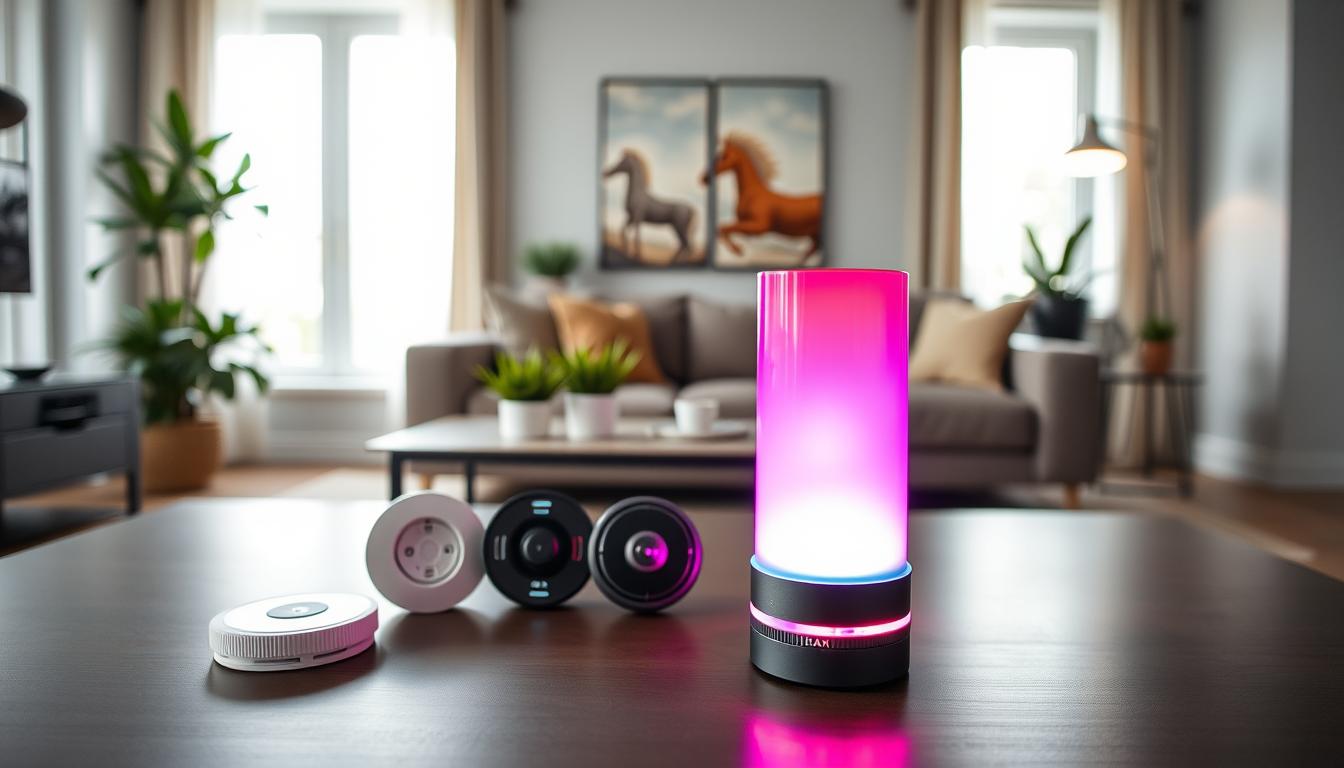
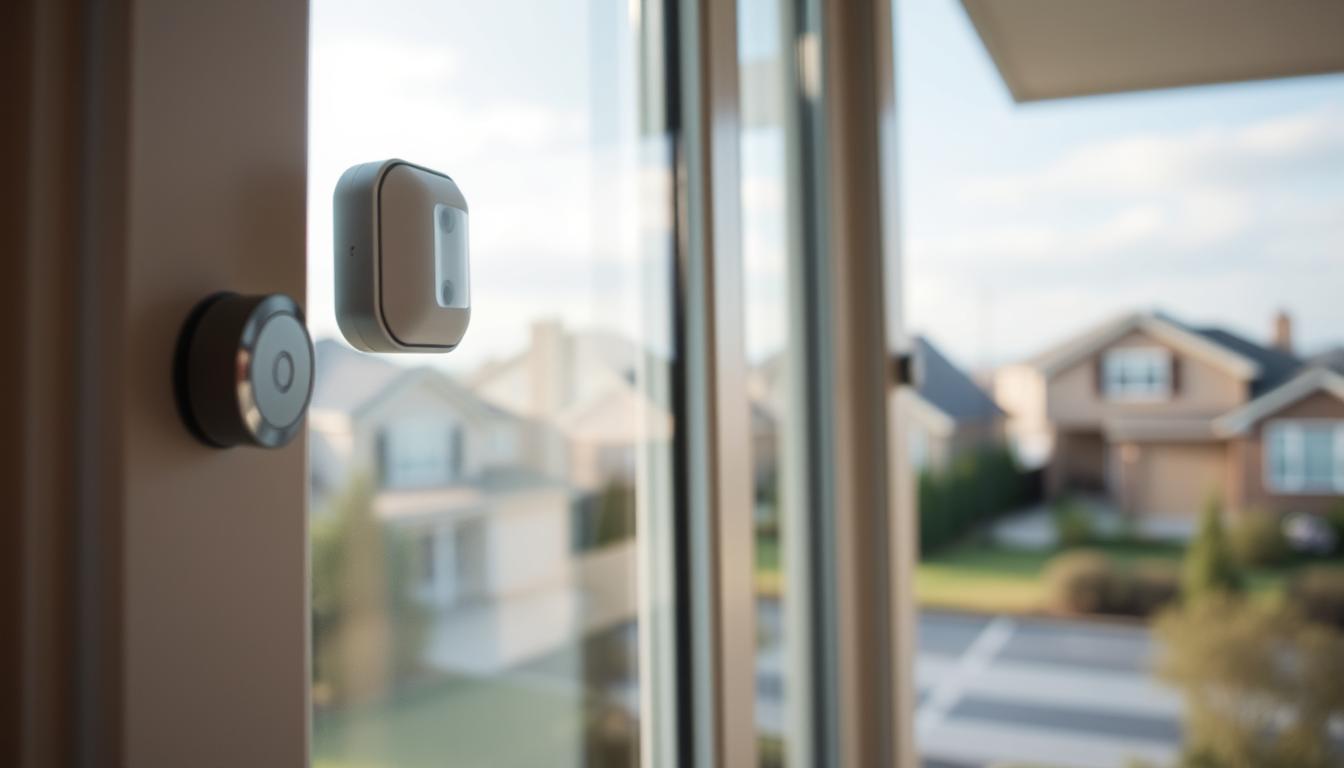
Think about using vibration sensors for safety if you want quick alerts. They let you know if someone is tampering with your windows. These sensors act like an invisible fence, alerting you to any unusual movement or drilling before a break-in happens.
For homeowners and small business owners in the U.S., these sensors are great for ground-floor rooms and basement windows. They’re also useful for commercial storefronts where glass or frames are often targeted. They help you spot forced entry early, so you can check the situation and call the police or take other security steps.
Vibration sensors work best when used with other security measures. Pair them with door and window contacts, glass break detectors, motion sensors, and cameras. This combo cuts down on false alarms and makes response times faster. Make sure to check your smart doorbell’s privacy settings and encryption to keep your alerts safe and private.
What Are Vibration Sensors?
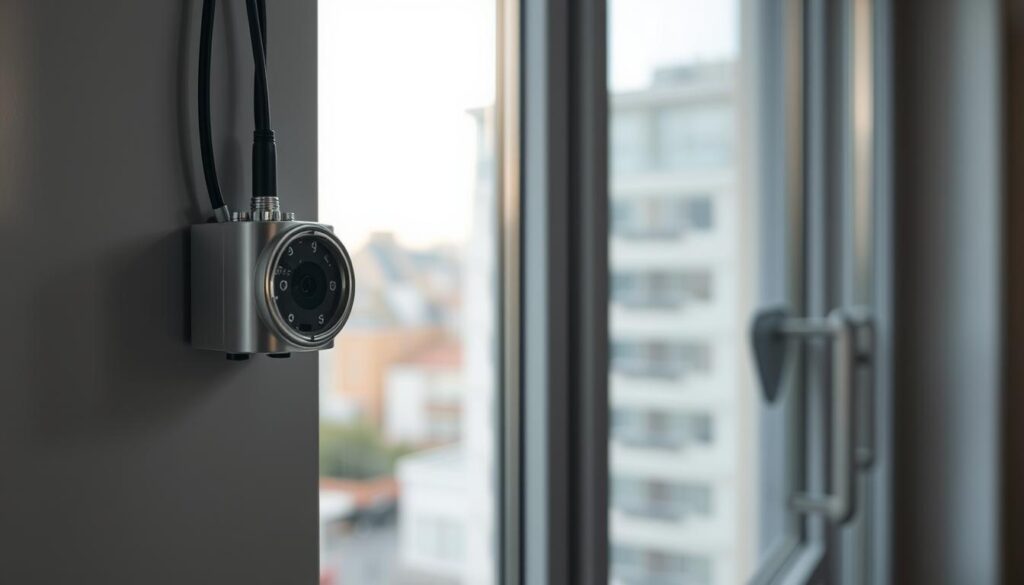
Vibration sensors detect mechanical vibrations, shocks, or impacts on structures like windows and walls. You attach them to specific points to catch physical movements, not light or sound. If vibrations exceed certain levels, the sensor alerts your alarm system or phone app.
These sensors work differently than glass break detectors and motion sensors. Glass break detectors listen for specific sounds. Motion sensors detect infrared changes. But, shock and vibration sensors directly feel the force on their surface. This makes them great at catching drilling, prying, or early entry attempts.
You can adjust the sensor’s sensitivity to avoid false alarms. High sensitivity catches small vibrations from tools or impacts early. Lower settings help ignore wind or truck noise. Many sensors also have tamper detection, alerting you if someone tries to remove or disable it.
Some sensors have tamper-resistant features. They use sealed enclosures, anti-tamper switches, and encrypted wireless links. These ensure the sensor works right and reports any tampering to your system.
Vibration sensors are safer than cameras or smart doorbells because they don’t record audio or video. When used with video devices, make sure to set up privacy settings and encryption correctly. This way, you get alerts without sharing too much personal info.
Benefits of Vibration Sensors for Safety
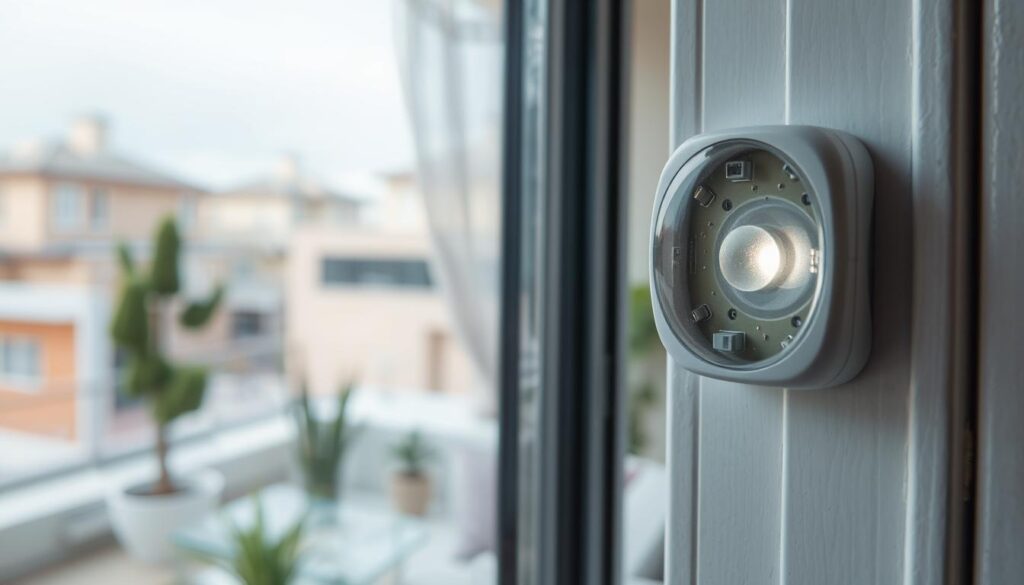
Vibration sensors detect small knocks and tampering early. They alert you before someone tries to break in. This way, you can quickly call for help or set off an alarm.
These devices are very sensitive but can be adjusted. You can set them to ignore big trucks or wind but catch any suspicious activity. This helps avoid false alarms and keeps your system working well.
Vibration sensors are also discreet. They can be mounted on glass or sashes without being seen. This keeps your home safe without recording video all the time, which helps keep your family’s privacy.
Many vibration sensors are easy to maintain and won’t break the bank. They often use long-lasting batteries and are cheaper than systems with lots of cameras. This makes them a cost-effective way to protect your home.
They also reduce false alarms, which means less trouble for neighbors or monitoring services. Modern sensors can tell the difference between normal vibrations and someone trying to break in. This makes them more accurate.
Vibration sensors make windows less appealing to intruders. They add an extra layer of protection to your home. This works well with locks, sensors, and lights for complete security.
Using these sensors with a smart doorbell is a smart move. The doorbell can record less while the sensors start short videos when needed. This helps keep your data safe by using less and encrypting it.
Choosing vibration sensors for safety gives you a simple yet effective way to protect your home. They offer early warnings and don’t need to record everything. They fit well into modern smart homes and respect your privacy.
Types of Vibration Sensors Available
There are many types of vibration sensors to choose from. They vary based on the location and the type of alert you need. Piezoelectric sensors create a voltage when hit by impact. They’re great for monitoring glass and frames because they catch small shocks well.
Accelerometer-based sensors measure changes in acceleration. They’re perfect for places where you want to know about real tampering, not just background noise. This is useful in areas with a lot of movement to reduce false alarms.
Contact or edge-mounted sensors stick to window frames or glass edges. They’re good for detecting tampering or forceful impacts. Surface-mounted sensors are attached to sills, walls, or window panes. They’re common for protecting safes, display cases, and retail or commercial perimeter walls.
- Dual-technology or hybrid sensors combine vibration detection with magnetic contacts, motion sensing, or glass-break audio. This helps reduce false positives.
- Shock sensors alert to sudden impacts. They’re often used in high-risk areas for quick alerts.
- Glass vibration sensors focus on breaking glass sounds, not just any motion.
You can choose between wireless and wired sensors. Wireless sensors are easy to install and work well with smart hubs and video doorbells. Wired sensors provide constant power and are best for large-scale alarm systems where reliability is key.
Some sensors are made for specific uses. Commercial sensors are high-sensitivity for vaults and safes. Residential sensors are designed to be easy to use and have fewer false alarms. Make sure any sensors you use with cameras or video doorbells have privacy features and encryption to protect your data.
How Vibration Sensors Detect Forced Entry
Your vibration sensor catches mechanical energy through glass, frames, or surfaces. It uses piezoelectric elements and MEMS accelerometers to turn tiny motions into electrical signals. This is the first sign of how vibration sensors detect forced entry.
Signal processing then sorts out useful events from background noise. Firmware filters check frequency, amplitude, and duration. This helps ignore things like trucks or small knocks, keeping false alarms down.
Systems use vibration pattern recognition to spot known attack signatures. For example, a hammer strike has a sharp, high-amplitude pulse. Glass breakage has a distinct multi-frequency burst. The sensor compares this data to stored signatures to see if it matches a forced-entry pattern.
Anomaly-based detection also plays a role by building a baseline of normal activity. The sensor learns typical vibration levels over time. If a reading deviates from this baseline, it flags the anomaly for review or action.
Modern setups also link vibration triggers with other devices to confirm an intrusion. Magnetic contacts, passive infrared motion detectors, and video analytics work together. This reduces false positives and gives you more confidence before an alarm goes off.
Many systems offer silent alerting options that notify a monitoring center without sounding a siren. This lets police respond without intruders knowing. Silent alerts are key for your safety in sensitive situations.
When choosing sensors, look for clear vibration pattern recognition, robust anomaly-based detection, and support for event correlation. These features help you spot real forced entry attempts while keeping false alarms low and protecting smart doorbell privacy.
Installation Requirements for Vibration Sensors
Start by picking spots where shock is likely to hit the sensor. Mount them on window frames, edges, sills, or directly on glass, as the guide says. Avoid areas with lots of traffic or HVAC drafts to cut down on false alarms.
Choose a mounting method that works for you. Adhesive pads are good for rentals or quick setups. Screws or brackets are better for long-term use in risky spots. Make sure the surface is clean and dry before mounting.
Make sure the sensor works with your alarm system or smart hub. Check if it uses Z-Wave or Zigbee, or if it’s wired. Also, see if it fits with your current monitoring services.
Think about power needs. Battery-powered sensors are flexible but need battery checks. Wired sensors are steady but might need more planning for cabling and maintenance.
- Calibrate sensitivity to the site: set thresholds to avoid disturbances from nearby construction or street noise.
- Choose environmental tolerance ratings that match expected temperatures and humidity for exterior or perimeter windows.
- For outdoor-facing glass, pick rugged models marketed for harsh conditions and weather resistance.
When linking sensors to cameras or cloud storage, pay attention to privacy. Make sure data is encrypted and policies are clear. Limit access to event logs and video to protect privacy and follow laws.
Test each sensor by making vibrations and seeing how it alerts. Adjust until you get reliable detection without false alarms. Keep a record of where you installed them and when you replace batteries for easier maintenance later.
Maintaining Your Vibration Sensors
Make a simple plan to keep your vibration sensors working well. Do alarm tests right after you install them and at regular times. For most homes, monthly checks are enough. But, if you have a bigger system, you might need to test every quarter.
Always check the batteries and power connections. For wireless sensors, change the batteries as the maker says. For wired ones, look for corrosion or wear on the terminals.
Keep your sensors up to date with firmware updates. This keeps them accurate and secure. Also, update your hub and app when you’re told to. This helps avoid false alarms and boosts security.
If your environment changes, like with new appliances or construction, you might need to adjust your sensors. Lowering the sensitivity or re-tuning can help reduce unwanted alerts.
- Keep track of what usually triggers false alarms and adjust your sensors’ placement.
- Use dual-technology verification when possible to reduce false positives.
- Check your privacy and data encryption settings with cameras and smart doorbells.
For commercial setups, get a pro to check your system. Certified installers can test everything and make sure your sensors meet safety standards.
Keep a record of all tests, updates, and service visits. This log helps you see patterns and supports warranty claims if a sensor fails. Regular maintenance keeps your alerts useful and your system running smoothly.
Integrating Vibration Sensors with Other Security Systems
You can make your home safer by linking vibration sensors with cameras, alarm systems, and access control. This setup lets you quickly check on events and build strong defenses. It also cuts down on how long it takes to respond.
Set cameras or a secure video doorbell to start recording only when a vibration happens. This way, you get useful evidence while keeping your smart doorbell’s privacy intact. It’s all about selective recording and careful settings for user privacy.
Having a central alarm panel and professional monitoring means your home is watched 24/7. Smart sensors integration sends alerts only when something unusual happens. This means fewer false alarms and more accurate monitoring.
Stay updated in real time with automation and notifications. Connect sensors to your phone for alerts and set up routines. These can turn on lights, lock doors, or show camera feeds when a sensor goes off.
Keep your data safe with end-to-end encryption and strict data policies. Make sure the vendors of your secure video doorbell and other devices respect your privacy. They should also share their data protection practices clearly.
Use multi-factor verification to avoid false alarms. Combine sensor alerts with camera shots, motion detectors, and access logs to confirm incidents. This approach cuts down on false alarms and prevents unnecessary police calls.
- Layered security: vibration sensor + camera + alarm panel
- Triggered capture: event-based recording on a secure video doorbell
- Monitoring: cloud or professional services with anomaly alerts
- Automation: app notifications and smart routines
- Privacy: encrypted links, clear retention, user privacy settings
Legal Considerations for Using Vibration Sensors
Legal issues with vibration sensors are different from those with cameras. Vibration sensors don’t record video or audio on their own. This means they don’t directly threaten privacy. But, they can start cameras or a smart doorbell privacy mode that does record.
Before linking sensors with recording devices, check local and state laws. Some places need consent for audio recording. In shared spaces like apartments or stores, you might need to post signs. This is to follow local rules about recording in public or common areas.
It’s important to look at how vendors handle personal data. Make sure you can control how long recordings and logs are kept. Set limits that fit your privacy and legal needs.
Using data encryption is a smart move. Ensure vendors encrypt data both in storage and during transmission. This helps protect your data if someone hacks into a service or network.
- Evidence use: time-stamped logs from vibration sensors can support police reports and insurance claims when synchronized with video.
- Insurance and leases: notify your insurer about new intrusion detection to seek discounts. Confirm landlord approval and responsibilities for installations in leased spaces.
- Critical sites: data centers and utilities often face stricter rules. Verify your system meets any industry-specific reporting and auditing standards.
Make sure to document any agreements with vendors about privacy and encryption. Ask for clear policies on access, breach notifications, and data deletion. These steps help protect your customers and your business.
Keep a record of all compliance checks, notices, and policy settings for your smart doorbell. This record will be useful if law enforcement, auditors, or insurers ask for proof of responsible use.
Best Practices for Using Vibration Sensors
Layered security is key for better detection. Use vibration sensors with magnetic contacts, glass-break detectors, motion sensors, and video verification. This setup gives you an early warning and cuts down on false alarms.
Position sensors to catch tampering effectively. Install them along window edges, frames, sills, and inside display cases. Avoid areas with HVAC units, heavy foot traffic, and known vibration sources to prevent unnecessary alerts.
- Adjust sensitivity to fit your environment. Find a balance that catches subtle attempts without false positives from passing trucks or construction.
- Regularly test and maintain your sensors. Check their function, replace batteries, and update firmware to keep detection accurate and secure.
Choose a privacy-enabled smart doorbell or camera for triggered video recording. Ensure it has clear privacy settings. Limit how long footage is kept, who can see it, and confirm data encryption is used for all footage.
Use silent alerts when it’s safe to do so. This way, monitoring centers can be notified without alerting intruders. Make sure monitoring services have clear escalation protocols and can act fast on verified events.
- Document roles and response plans. Inform household members or staff about sensor behavior, alert types, and who to contact during an alarm.
- Work with property managers or landlords for leased spaces. Share installation details and response plans to avoid surprises.
Choose trusted brands and integrators known for strong encryption and regular security updates. Their openness about data encryption and privacy policies helps lower your risk and ensures long-term reliability.
Future Trends in Vibration Sensor Technology
AI will soon make vibration sensors smarter. They will learn to tell apart different sounds, like a truck or a storm. This means fewer false alarms and quicker responses.
These sensors will work together with cameras and other systems. When they detect a vibration, they can check the camera or access logs. This makes it easier to confirm what’s happening and cuts down on unnecessary alerts.
More analysis will happen right at the sensor or local hub. This way, you can keep sensitive information on your device unless you choose to back it up to the cloud. It saves bandwidth and respects your privacy.
- Better batteries and low-power tech will make wireless setups easier for homes and small businesses.
- Lower costs for parts will make high-sensitivity sensors more affordable for everyone.
Companies will focus more on data security and privacy. You can expect smart doorbells and cameras to use strong encryption. This will help keep your footage and data safe. A secure video doorbell with vibration sensors will become a popular choice.
As technology advances, you’ll see more plug-and-play kits. These kits will integrate AI vibration detection with your smart home devices. This will make it easier for renters and homeowners to have constant protection.
Real-World Applications of Vibration Sensors
Vibration sensors can help keep your home safe. They protect windows, sliding doors, and display cases. Pair them with a smart doorbell for triggered recording and privacy settings.
In retail, these sensors catch smash-and-grab attempts. Stores use them with cameras and motion detectors. This helps law enforcement respond quickly and keeps evidence safe.
Commercial sites and industrial facilities also use vibration sensors. They protect safes, vaults, and loading doors. This setup detects tampering early, stopping theft before it gets worse.
Critical infrastructure benefits from vibration sensors too. They’re placed on fences, substations, and control rooms. With thermal cameras and monitoring, you get alerts for possible sabotage.
- Asset protection and insurance: Businesses may cut inventory loss and qualify for lower premiums by deploying intrusion systems that include vibration sensors.
- Monitoring and deterrence: Sensors can trigger silent alarms and prompt visual evidence capture while preserving smart doorbell privacy and using encryption for stored footage.
- Commercial vibration sensors are built to withstand harsh conditions you find in warehouses and manufacturing plants.
Vibration sensors provide early warnings and alerts in many scenarios. They help you respond quickly, reduce damage, and improve recovery chances. All without sacrificing privacy or compliance.
Conclusion: Enhancing Safety with Vibration Sensors
Vibration sensors for safety alert you early to forced entry at windows and weak points. They are a cost-effective tool that alerts you before an intruder gets in. Pairing sensors with alarms or monitoring cuts down response time and losses, boosting home security.
When using sensors with cameras or smart doorbells, balance privacy and verification. Set privacy settings, enable data encryption, and limit video retention. This way, you can confirm events without exposing family or neighbors.
To act, check vulnerable windows and entry points. Choose the right sensor type and ensure it works with your alarm or monitoring service. Regularly test, update firmware, and document for insurers or law enforcement. Also, check local laws on recording and privacy before adding cameras.
Using vibration sensors on windows can stop threats early and give you peace of mind. With careful placement, maintenance, and privacy-aware integrations, you protect your home and data. This improves your overall safety.